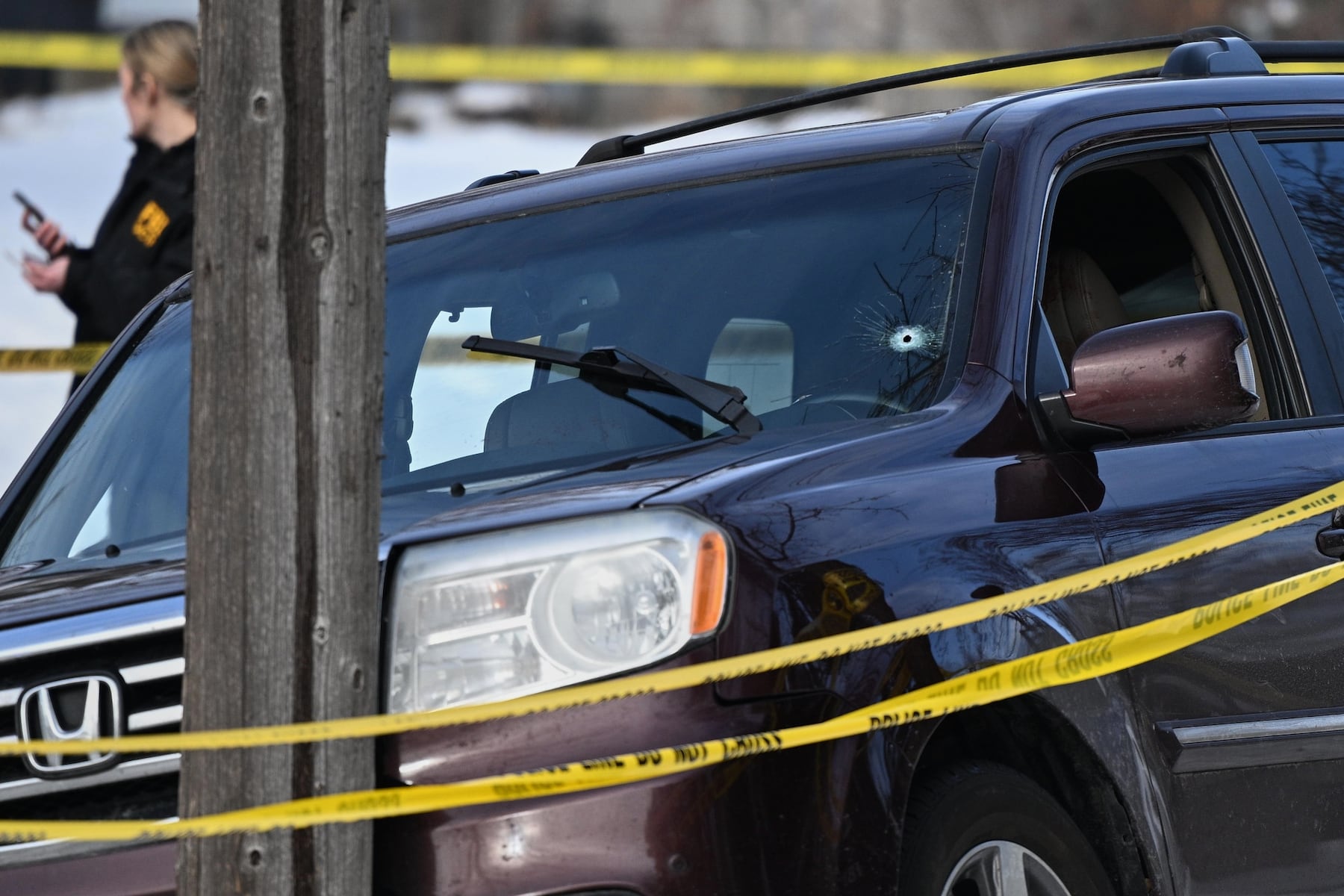
A federal officer fatally shot a woman in Minneapolis on March 6, 2024, during an immigration enforcement operation, prompting sharp criticism from local officials. Minneapolis Mayor Jacob Frey condemned the incident, asserting that the Immigration and Customs Enforcement (ICE) officer acted recklessly and dismissed claims of self-defense made by federal authorities.
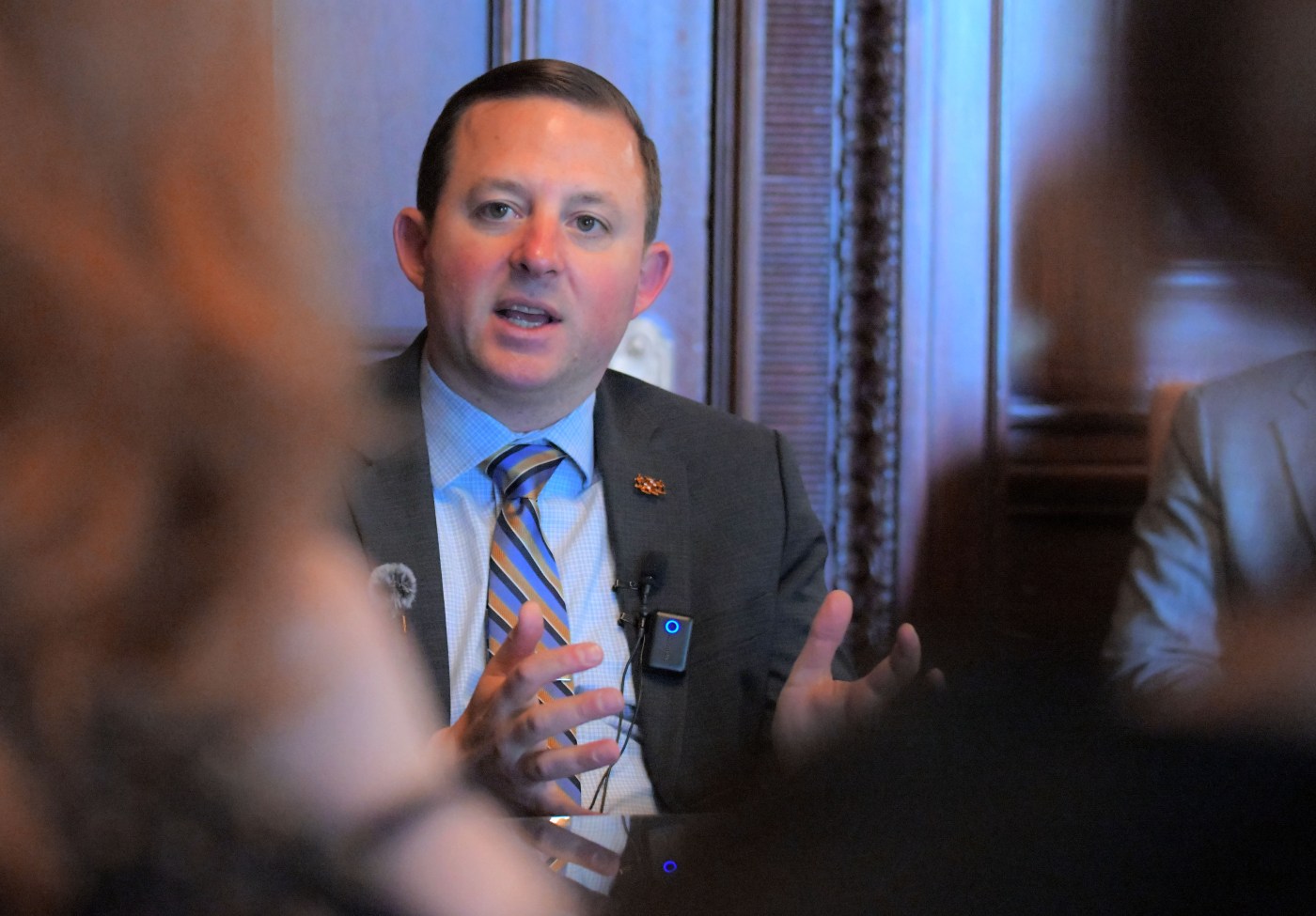
During a news conference shortly after the shooting, Frey expressed his outrage, stating, “They are not here to cause safety in this city. What they are doing is causing chaos and distrust.” He emphasized the emotional toll on communities, saying, “They’re ripping families apart. They’re sowing chaos on our streets and in this case quite literally killing people.” He further refuted claims of self-defense, asserting, “Having seen the video myself, I wanna tell everybody directly, that is bullshit.”
The incident marks a significant escalation in the ongoing immigration enforcement operations in the Twin Cities, which include Minneapolis and nearby St. Paul. These operations, part of a broader crackdown initiated by the federal government, have raised concerns about safety and civil rights within local communities.
According to Tricia McLaughlin, a spokesperson for the Department of Homeland Security (DHS), the shooting occurred when the woman allegedly attempted to drive her vehicle towards law enforcement officers during the operation. This incident is part of a series of actions linked to claims of fraud involving Somali residents in the area, and it is at least the fifth fatality related to such operations since the beginning of 2024.
Tensions in the Twin Cities have been high since DHS announced the deployment of more than 2,000 agents and officers for the crackdown. Protests erupted shortly after the shooting, with a large crowd gathering to voice their opposition to the federal enforcement actions. Demonstrators chanted slogans such as “Shame! Shame! Shame!” and “ICE out of Minnesota!” directed at local and federal officials, including Gregory Bovino, a senior U.S. Customs and Border Protection official.
The area where the shooting occurred is a modest neighborhood just south of downtown Minneapolis, located near several established immigrant markets. It is also a short distance from the site of the police killing of George Floyd in 2020, an event that galvanized protests against police violence and systemic racism across the United States.
Local leaders, including Rev. Hierald Osorto of the St. Paul’s-San Pablo Lutheran Church, expressed the ongoing fear within immigrant communities. “We’ve been trying to live life as fully as possible in light of the fear and anxiety that we feel,” he stated.
In a related development, DHS Secretary Kristi Noem confirmed during a news conference in Texas that the agency had already made “hundreds and hundreds” of arrests since the operation began. In response to the heightened enforcement, advocacy groups in the Twin Cities have mobilized to support affected communities.
For nearly a year, migrant rights advocates and neighborhood activists have prepared for an increase in federal enforcement actions. They have formed networks to monitor activity, utilizing tools such as license plate scanners and noise-making devices to alert communities. On March 5, the Immigration Defense Network, a coalition dedicated to serving immigrants in Minnesota, held a training session for around 100 participants eager to monitor and respond to enforcement actions.
Mary Moran, a participant in the training, voiced her commitment to community safety: “I feel like I’m an ordinary person, and I have the ability to do something so I need to do it,” she told local media.
The recent shooting has intensified the discourse surrounding immigration policies and their impact on local communities. Mayor Frey has called for the immediate withdrawal of ICE from the city and expressed solidarity with immigrant and refugee communities, stating, “We stand rock solid with our immigrant and refugee communities.”
As protests and community responses continue, the focus remains on the implications of federal actions and the urgent need for dialogue surrounding immigration enforcement in urban areas.