The Venezuelan government, led by President Nicolás Maduro, is reportedly leveraging its vast oil resources to gain support from former U.S. President Donald Trump. As the 2024 Presidential Election approaches, the regime is seeking to navigate economic sanctions and bolster its hold on power through potential alliances with U.S. political figures.
In recent months, Venezuela’s state-run oil company, Petróleos de Venezuela, S.A. (PDVSA), has ramped up discussions with American oil firms, particularly Citgo, which is a subsidiary of PDVSA and operates in the United States. According to a report from the U.S. Department of State, these negotiations are viewed as an attempt by Maduro to mitigate the impact of U.S. sanctions that have severely restricted the country’s oil exports.
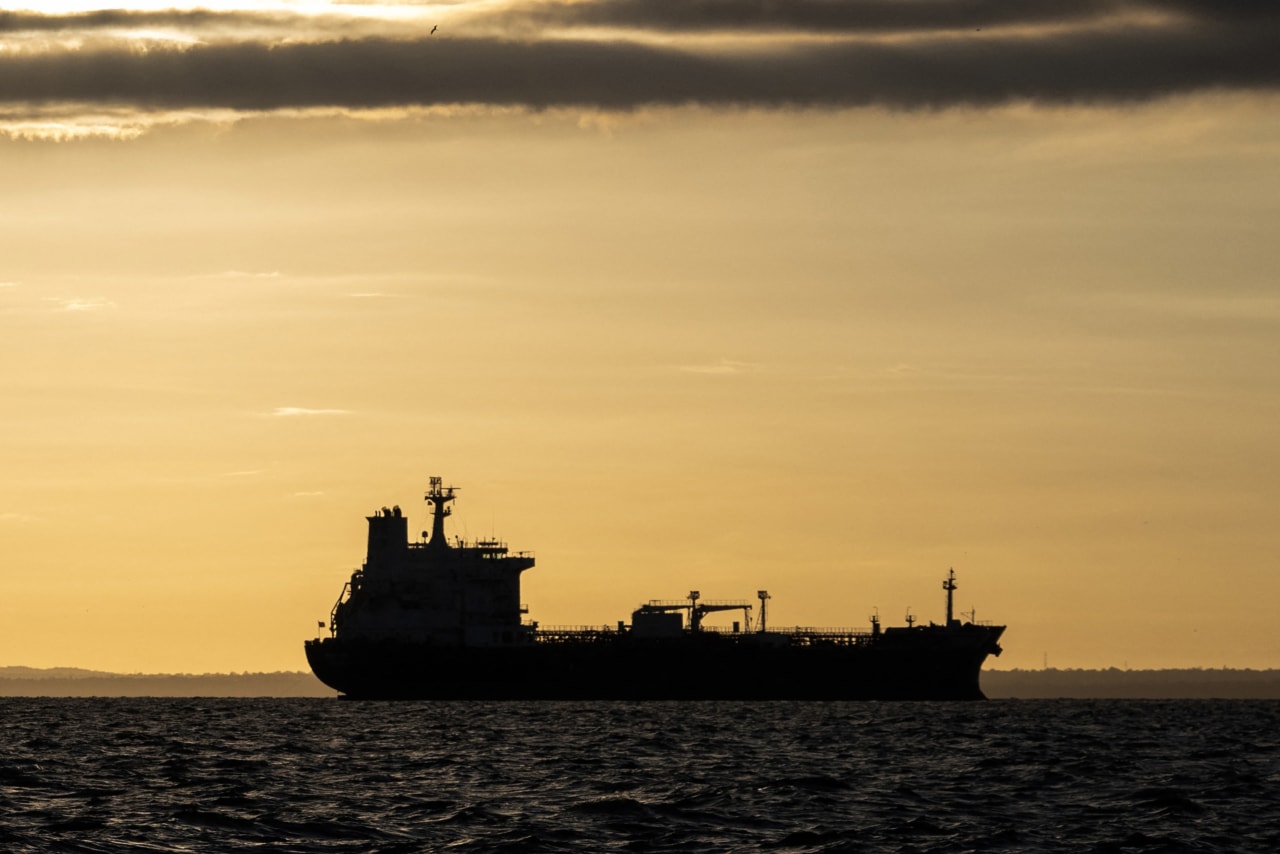
Venezuela holds some of the largest oil reserves in the world, yet its economy has struggled under years of mismanagement and international sanctions. The regime’s strategy appears to involve offering favorable terms to American oil companies to create a pathway for increased production and, subsequently, revenue. In exchange, Maduro seeks to gain political favor and potential support from Trump, who has previously expressed interest in energy independence and economic cooperation with oil-producing nations.
Political Implications and Strategic Moves
The political landscape in the United States is shifting, and Venezuela’s maneuvers could influence Trump’s stance as he campaigns for a return to the White House. Trump’s administration previously took a hardline approach against Maduro, implementing strict sanctions aimed at crippling the regime. However, as the election nears, political analysts suggest that a more conciliatory approach to Venezuela may emerge, particularly if it aligns with the interests of American oil producers.
The potential for renewed relations with Venezuela raises critical questions about U.S. foreign policy. A significant change in approach could signal a shift in how the United States engages with countries facing political turmoil and economic crises. Furthermore, Venezuelan oil exports to the U.S. could provide much-needed relief to American refineries, especially as global oil prices fluctuate.
Recent figures from the Organization of the Petroleum Exporting Countries (OPEC) indicate a rising demand for Venezuelan oil, with output increasing to approximately 700,000 barrels per day as of early February 2024. This growth highlights the importance of Venezuela’s oil sector in the global market and the potential benefits of revitalized trade relations with the United States.
The Path Forward
As negotiations progress, the outcome remains uncertain. The Venezuelan government aims to stabilize its economy while navigating the complex political terrain of U.S.-Venezuela relations. Trump’s response to these overtures will likely influence the direction of future diplomatic engagements.
Observers will be closely monitoring whether Maduro’s approach succeeds in winning over Trump and, by extension, American political support. The implications of this development extend beyond Venezuela, potentially affecting global oil markets and U.S. energy policies.
In summary, Venezuela’s strategy of utilizing its oil resources to foster political ties with Trump could reshape the narrative surrounding its regime and influence the balance of power in international oil markets. With the 2024 election on the horizon, this dynamic will be crucial for both Venezuela’s future and U.S. foreign relations.