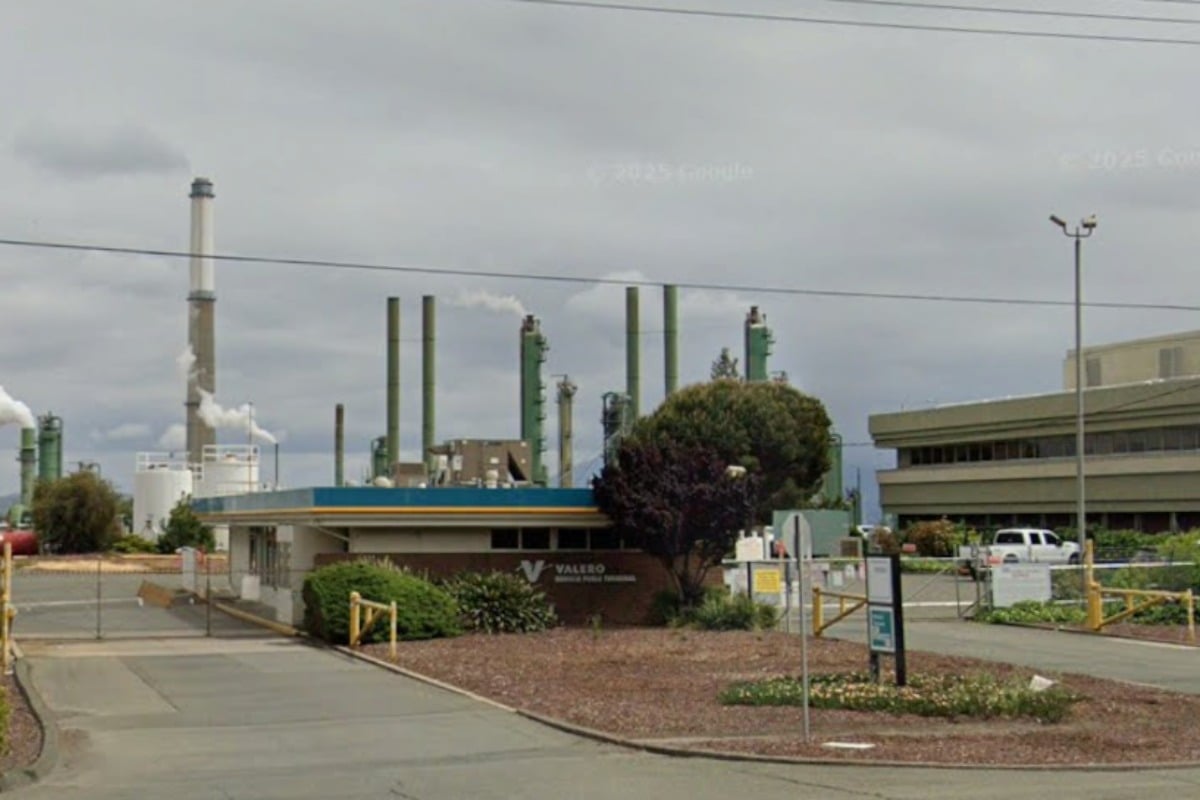
Valero Refining Company has announced plans to idle its Benicia Refinery by April 2026, marking a significant shift in operations for the California-based company. The process will commence with a phased shutdown of processing units beginning in February 2026, driven by state-mandated inspections that must be conducted. While the facility will gradually cease operations, the refinery will continue to produce gasoline to deplete existing inventories, according to company officials.
To maintain supply in the California market, Valero has committed to importing additional gasoline to the Bay Area following the idling of the Benicia facility. This strategy aims to mitigate potential shortages and ensure stability in fuel availability for local consumers.
Employee Transition and Operational Continuity
Valero is also focused on its workforce during this transition. The company will issue a Worker Adjustment and Retraining Notification, providing Benicia employees with opportunities at other Valero locations or access to outplacement services. This effort underscores Valero’s commitment to its staff as they navigate the changes ahead.
Meanwhile, operations at the Wilmington Refinery in Los Angeles County will continue as planned, ensuring that other facilities remain fully operational and can support the supply chain effectively.
In a supportive response, California Governor Gavin Newsom commended Valero’s proactive approach to maintaining a steady supply of gasoline for Northern California. He emphasized the importance of Valero’s commitment to supply chain stability and the plan to import gasoline to the region, which will serve as a critical measure during this transition.
Governor Newsom’s statement highlighted the state’s efforts to collaborate with the industry to ensure transparency and protect consumers. He has been active in addressing fuel price volatility and has led initiatives aimed at securing California’s energy future.
Legislative Actions for Fuel Stability
In recent years, Governor Newsom and the California Legislature have enacted measures aimed at stabilizing fuel prices and preparing for the long-term energy transition. This includes bipartisan legislation to increase domestic crude availability and enhance consumer protections.
Key legislative actions, such as SB X1-2 in 2023 and SB X2-1 in 2024, require refineries to provide at least a year’s notice before closing, a step designed to avert sudden price spikes. These measures are part of the state’s broader strategy to proactively address challenges in the energy sector.
Overall, Valero’s decision regarding the Benicia Refinery reflects a significant shift in its operational strategy, while the company and state officials work together to ensure a stable fuel supply for California residents.