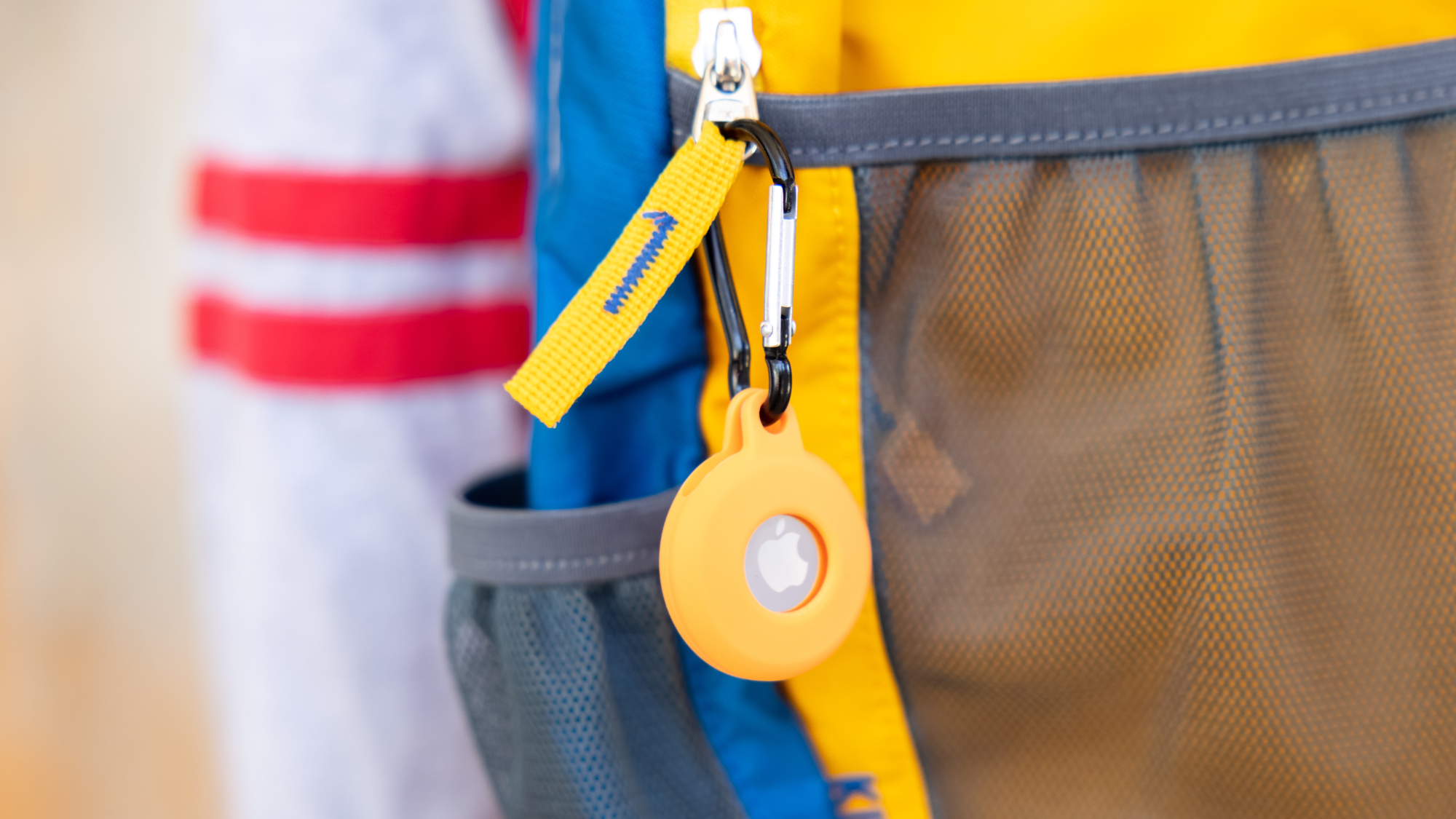
The widespread practice of parents tracking their children’s whereabouts using devices like AirTags or applications such as Find My Friends has raised questions about safety versus ethical concerns. A survey conducted by Unite Students in September 2023, involving 1,027 parents of first-year university students, revealed that a notable **67%** of these parents used tracking apps. In contrast, only **17%** reported contacting their child on a daily basis. The survey also indicated that **71%** of fathers monitored their children’s locations compared to **59%** of mothers.
Children’s Safety or Parental Anxiety?
For many parents, tracking their children has provided a sense of security. Naomi Greenaway, writing in The Telegraph, reflected on her experience when her son began taking the train to secondary school in London. She described how placing a tracking device in his blazer pocket eased her worries, making the journey “slightly less intimidating” for both of them. This sentiment resonates with many parents who find comfort in knowing their children’s locations, particularly during pivotal moments.
The trend often begins around the “tween years” when many parents opt to give their children smartphones. Greenaway acknowledges the numerous challenges that come with this decision, yet she finds solace in being digitally connected to her children. Watching her daughter at nursery via a “nanny cam” transformed an emotionally taxing experience into a more manageable one. As she observes her daughter navigating the city on her screen, it continues to provide a sense of “peace of mind.”
Esther Walker, contributing to The Times, described two types of children: those who wander off and those who do not. She recounted a moment of panic when she briefly lost her four-year-old daughter at an adventure playground, labeling it “the longest 10 minutes of my life.” Now, as her children attend secondary school without smartphones, she has resorted to tagging their schoolbags with AirTags. Despite acknowledging that these devices can yield “wildly inaccurate readings,” she feels they are the closest alternative to a parent’s instinctual monitoring.
Redefining Parental Oversight
The dialogue surrounding parental tracking has taken a critical turn, with some experts warning against excessive surveillance. Charlotte Cripps, writing in The Independent, shared her experience of using an Apple AirTag in her children’s backpacks. Initially believing that constant monitoring would keep her children safe, she found herself becoming “neurotic and paranoid,” constantly checking her phone. This led her to question her parenting approach, admitting to an “addiction to stalking my kids.”
A coalition of doctors, psychologists, and health professionals, organized by Generation Focus—a campaign advocating for smartphone-free schools—has called for a reassessment of this surveillance trend. In an open letter, they expressed concern that such practices could increase anxiety among children and hinder their ability to develop self-reliance and resilience. “We urge all parents to pause on tracking, and to reconsider whether the surveillance childhood we are sleepwalking into is really benefiting our children,” they stated.
The phenomenon labeled “helicopter parenting” is characterized by an excessive level of involvement in a child’s life, which can be exhausting for both parents and children. Zing Tsjeng, writing for The i Paper, emphasized the need for parents to reflect on their level of oversight. While understanding the instinct to ensure safety, she posed critical questions: “When is enough enough? Do you trust your child to get themselves back home safe when they’re 19? What about when they’re 20? Where does it end?”
As parents navigate the complexities of raising children in a digital age, the balance between ensuring safety and fostering independence remains a pressing issue. The conversations surrounding tracking technologies reflect broader societal concerns about trust, privacy, and the development of future generations.