The ongoing crisis in Venezuela has placed significant responsibility on the United States, particularly under the administration of President Donald Trump. As economic turmoil and political unrest continue to devastate the Venezuelan populace, the U.S. faces mounting pressure to address the humanitarian crisis that has left millions in need of assistance.
Many experts point to historical precedents, drawing parallels between current events and the Iraq War initiated in 2003. In a notable reflection on the weight of such decisions, the late General Colin Powell once warned President George W. Bush, “You are going to be the proud owner of 25 million people,” emphasizing the profound implications of military intervention.
Current Situation in Venezuela
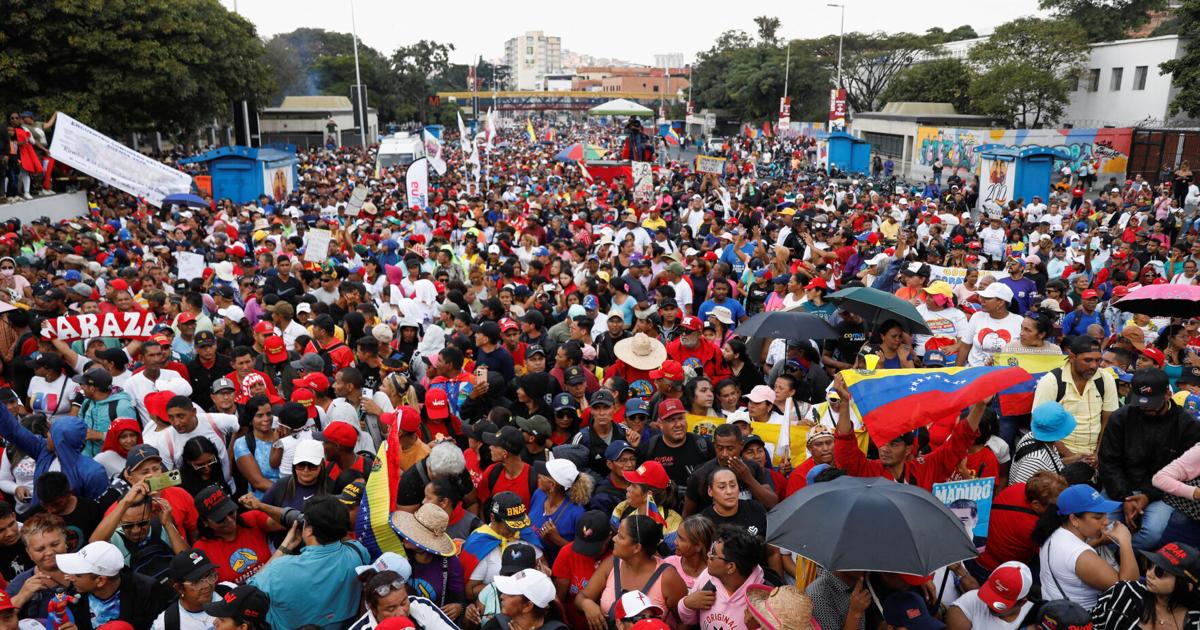
The Venezuelan crisis has escalated since early 2015, when a combination of plummeting oil prices and governmental mismanagement led to severe shortages of food and medicine. By February 2024, it is estimated that over 7 million Venezuelans have fled their country, seeking refuge in neighboring nations as well as the U.S. This mass exodus has created a regional humanitarian emergency, with countries like Colombia and Brazil struggling to accommodate the influx of migrants.
Despite the dire circumstances, the U.S. response has been criticized for lacking urgency and clarity. Humanitarian aid initiatives have been launched, but critics argue that they are insufficient in scale compared to the needs of the Venezuelan people. The U.S. government is under increasing scrutiny to provide more robust support and engage in diplomatic efforts aimed at restoring stability in the region.
Calls for Action and Accountability
Advocates for Venezuelan relief emphasize that the situation requires more than just humanitarian aid. They urge the U.S. to take a leading role in international efforts to facilitate negotiations between the Venezuelan government and opposition forces. This includes addressing the deep-seated issues that have led to the current crisis, such as corruption and economic mismanagement.
In recent discussions, various experts have highlighted that, much like Iraq, the implications of inaction could haunt the U.S. for years to come. The lessons learned from past interventions are crucial in shaping a thoughtful response that prioritizes the well-being of the Venezuelan people while avoiding the pitfalls of military involvement.
As the crisis unfolds, the responsibility of the U.S. becomes increasingly apparent. The need for decisive action is clear, and the eyes of the world are watching how the U.S. will respond to the plight of the Venezuelan people. The question remains whether the current administration will seize the opportunity to lead a comprehensive and humane response to a crisis that has far-reaching implications for the region and beyond.