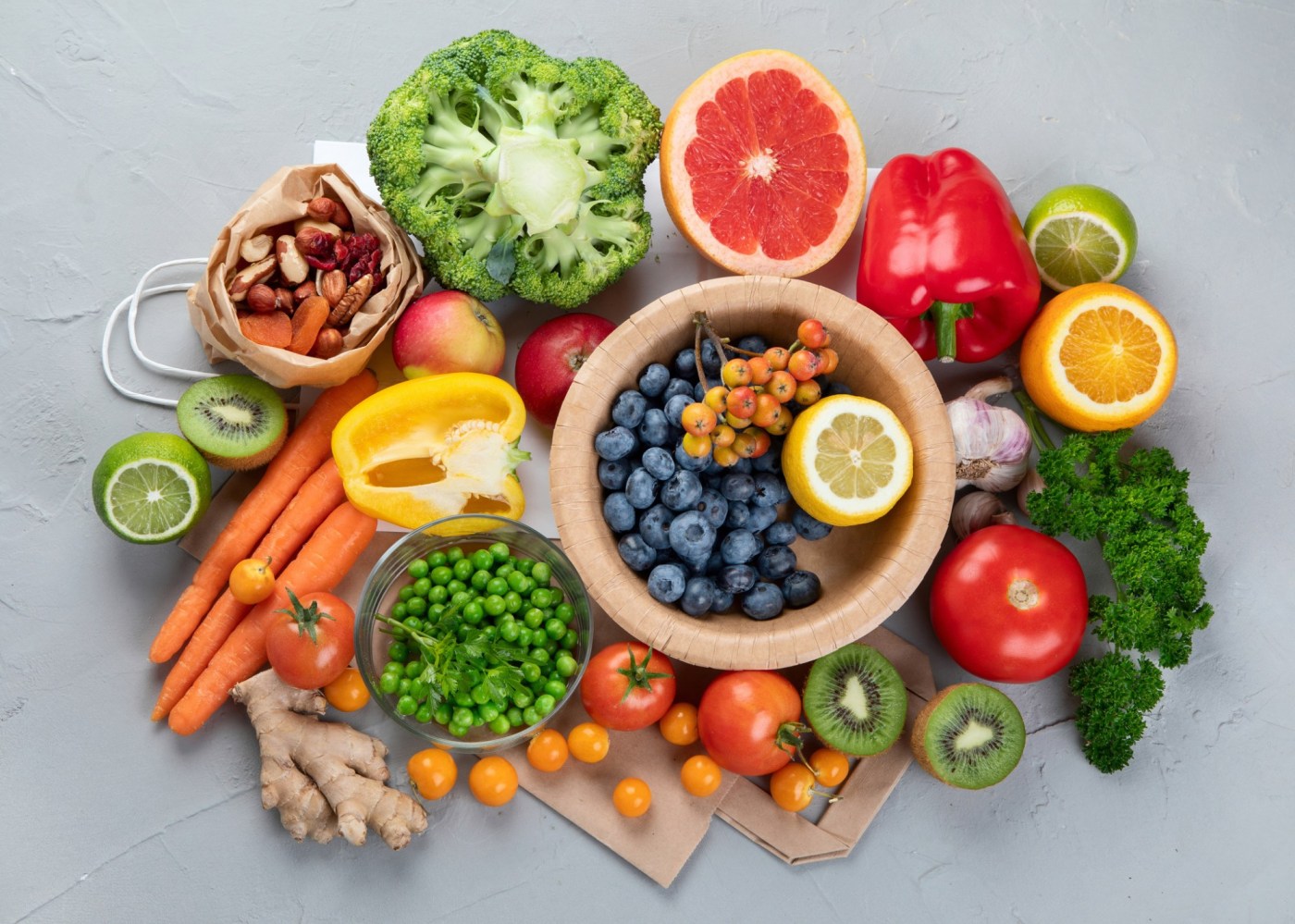
Vitamin C is essential for maintaining overall health, supporting the immune system, and promoting skin vitality. Despite its importance, many adults do not consume sufficient amounts of this crucial nutrient. According to experts, including registered dietitian LeeAnn Weintraub, incorporating vitamin C-rich foods into your daily diet can enhance wellness throughout the year.
Understanding the Benefits of Vitamin C
Vitamin C, a water-soluble nutrient, plays a significant role in numerous bodily functions. It aids in collagen production, which is vital for skin elasticity and joint health. A lack of vitamin C can lead to decreased collagen synthesis, negatively impacting skin repair and aging signs. Particularly during the winter months, when dry air can affect skin health, ensuring adequate vitamin C intake becomes even more crucial.
This nutrient also supports immune function by enhancing the activity of white blood cells, which protect against infections. While it may not prevent colds, research suggests that adequate vitamin C levels can shorten the duration and lessen the severity of symptoms. Additionally, vitamin C acts as a powerful antioxidant, combating oxidative stress from various environmental factors and promoting overall cardiovascular health.
Incorporating Vitamin C into Your Diet
The recommended dietary allowance for vitamin C is 75 mg per day for women and 90 mg per day for men. Smokers may require additional vitamin C due to increased oxidative stress. Fortunately, obtaining sufficient vitamin C is achievable through a balanced diet rich in fruits and vegetables. Here are four practical strategies to boost your intake:
1. **Consume More Citrus Fruits**: Oranges, grapefruits, tangerines, and mandarins are well-known sources of vitamin C. These fruits can serve as nutritious snacks or be added to salads. Citrus juice can also enhance marinades and sauces for various dishes.
2. **Add Bell Peppers to Meals**: Colorful bell peppers are not only visually appealing but also rich in vitamin C. Incorporate them into salads, pastas, and stir-fry dishes. They can also be enjoyed raw as a crunchy snack, perhaps paired with hummus.
3. **Enjoy a Variety of Fruits Daily**: Incorporate fruits such as kiwi, strawberries, papaya, and pineapple into your meals. These can be added to yogurt, smoothies, or oatmeal for a nutritious boost.
4. **Choose Vitamin C-Rich Vegetables**: Include vegetables like broccoli, Brussels sprouts, cauliflower, spinach, and tomatoes in your meal plans. These options not only provide vitamin C but also essential vitamins, minerals, and fiber.
Consuming these foods raw or lightly cooked helps preserve their vitamin C content. This nutrient is abundant in many fruits and vegetables, making it relatively easy to meet daily requirements.
By following these tips, individuals can enhance their vitamin C intake, ultimately supporting their health and well-being throughout the year. For more personalized nutrition advice, consider seeking guidance from a professional, such as LeeAnn Weintraub, who specializes in nutrition counseling. She can be reached via email at [email protected].