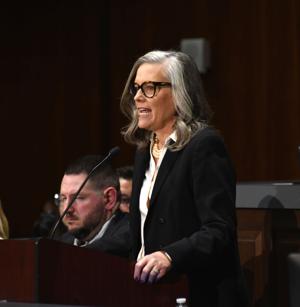
UPDATE: Arizona Governor Katie Hobbs has announced an imminent end to tax breaks for data centers, signaling a major shift in the state’s economic strategy. In a statement to Capitol Media Services, Hobbs expressed her view that the controversial incentives—currently allowing these facilities to avoid state and local sales taxes on equipment—are no longer necessary.
This announcement comes as the state grapples with the complexities of attracting tech investments while managing fiscal responsibility. The tax breaks in question have faced criticism for their potential to drain public resources without guaranteeing significant economic benefits.
“We need to reassess our priorities,” Hobbs stated, emphasizing the need for a balanced approach to economic development that does not compromise state revenue. The governor’s remarks indicate that these incentives could be officially eliminated in the upcoming legislative session, which begins on January 15, 2024.
The implications of this decision are profound. Data centers have played a pivotal role in Arizona’s economy, providing thousands of jobs and supporting local communities. However, with mounting concerns about sustainability and equitable growth, Hobbs aims to redirect focus toward more inclusive economic strategies.
As the deadline for the legislative session approaches, stakeholders are urged to weigh in on the future of data center taxation. Companies within the tech sector are expected to react swiftly, as the potential loss of tax breaks could alter their investment plans in the state.
What to watch for next: The upcoming legislative discussions will be crucial in determining the fate of these incentives. Advocates for data centers will likely lobby for their continuation, arguing that the benefits outweigh the costs. Conversely, fiscal conservatives may support Hobbs’ initiative, citing the need for accountability in public funding.
This developing story will continue to evolve as more details emerge. Stay tuned for updates on how this significant policy change could affect Arizona’s economic landscape and the tech industry at large.