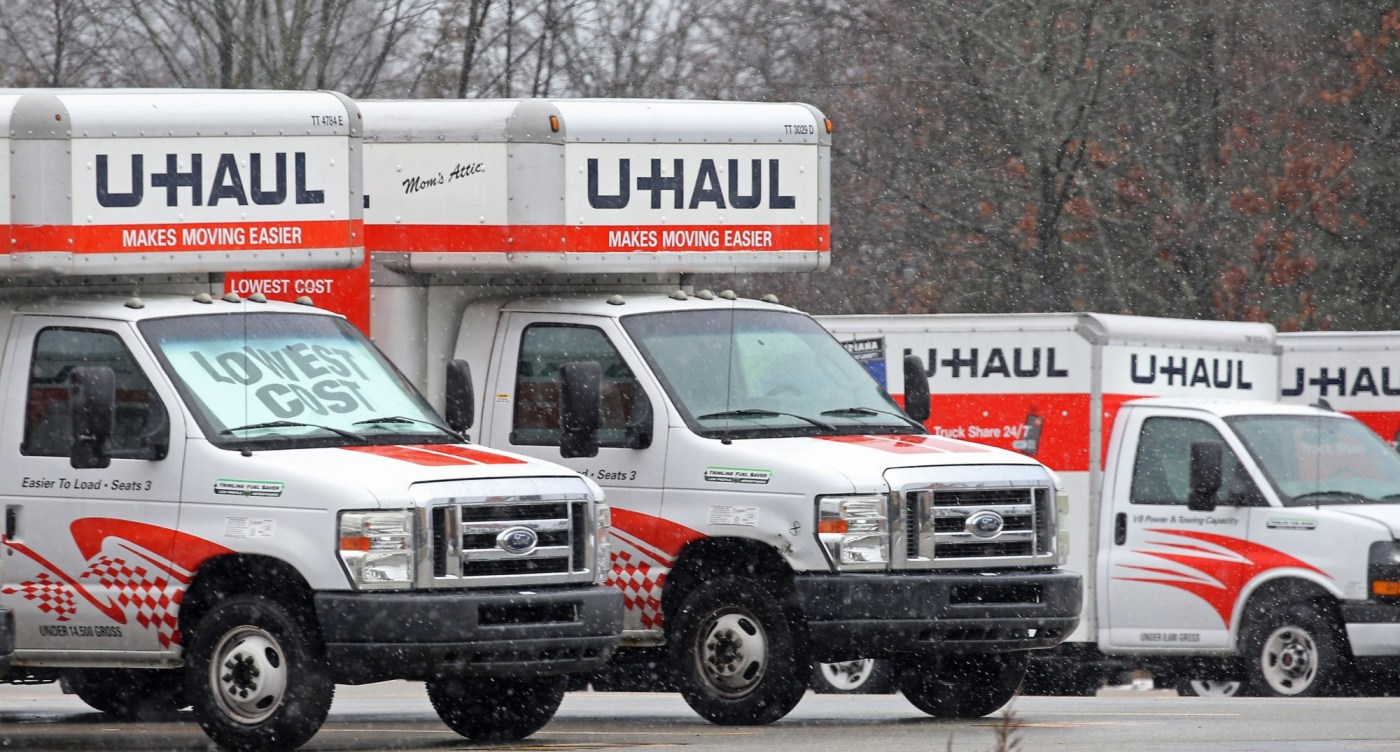
New reports confirm that Massachusetts continues to struggle with resident outflow, ranking 46th in U-Haul’s 2026 Growth Index Report. This places the Bay State among the bottom five states for one-way U-Haul customer exits, despite a slight improvement from its 49th position in 2025. The implications of these numbers raise urgent concerns about the state’s economic viability and living conditions.
The U-Haul report highlights a troubling trend: last year, Massachusetts experienced a 51.8%-48.2% margin of one-way departures over arrivals. This statistic underscores the growing dissatisfaction with living expenses, including high taxes and housing costs, as residents leave in search of more affordable options.
According to the Massachusetts Fiscal Alliance, the state’s ranking reflects a broader pattern of issues, including high taxes and burdensome climate mandates. Executive Director Paul Diego Craney stated, “When people are voting with their feet year after year, it’s not because of the weather. It’s because Massachusetts has become too expensive, too rigid, and too hostile to growth.”
Conversely, the coalition Raise Up Massachusetts argues that the state’s tax policies, including a recent 4% surtax on incomes exceeding $1 million, have positively impacted the number of millionaires in the state. Spokesman Andrew Farnitano insists that the narrative around out-migration is being manipulated by corporate interests to push for tax breaks for the wealthy. He emphasized, “Working families in Massachusetts are clearly struggling with the high cost of living.”
U-Haul’s data, collected from over 24,000 rental locations, serves as a critical indicator of how states attract and maintain residents. The company notes that climate also influences relocation decisions, with southern states dominating the top ten destinations. Texas, Florida, North Carolina, Tennessee, and South Carolina lead the inflow positions, while northern states, including Massachusetts, continue to lose residents.
Massachusetts Governor Maura Healey defended the state’s economic standing, citing it as the “best state to live” and touting achievements in various sectors. However, critics point to the U-Haul rankings as evidence of failed leadership and economic mismanagement. Amy Carnevale, Chairwoman of the MassGOP, stated that the state’s bottom-five ranking is a direct result of “runaway spending, higher taxes, and escalating utility bills.”
As these discussions unfold, the urgency for state lawmakers to address affordability issues becomes increasingly clear. The data from U-Haul indicates that residents are not just leaving temporarily; they are making long-term decisions that could reshape the state’s demographic landscape.
Moving forward, Massachusetts must confront the underlying issues driving residents away. With the next U-Haul report on the horizon, all eyes will be on whether the state can reverse its trend of out-migration and improve its ranking on the index. The stakes are high, and the call for action is louder than ever.