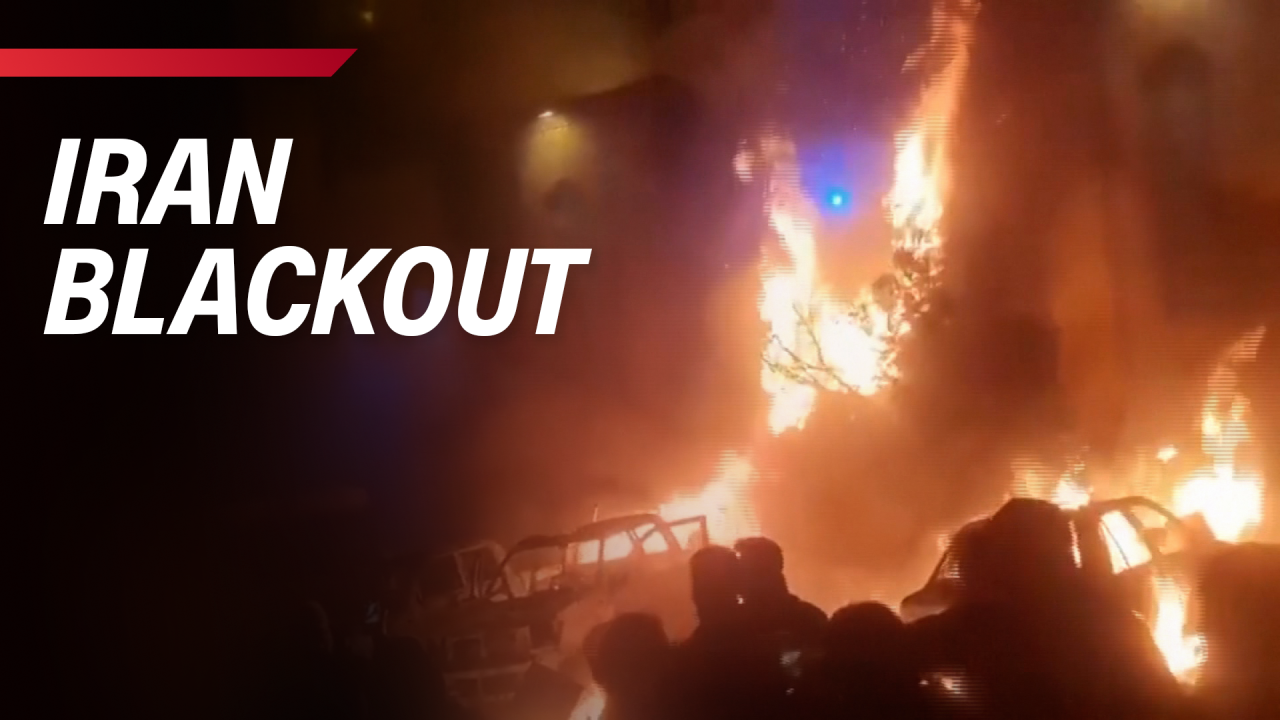
Protests in Iran have entered their second week, with demonstrators continuing to voice their discontent against the government. The unrest has prompted Reza Pahlavi, the exiled son of Iran’s last monarch, to call for a two-day nationwide strike beginning on Saturday, December 30, 2023. This strike aims to mobilize key sectors of the economy, including transportation, oil and gas, and energy, as protests persist in response to rising inflation and dissatisfaction with the ruling elite.
In a video message shared on social media platform X, Pahlavi urged workers and employees to participate in the strike and reclaim public spaces by taking to the streets with national symbols and flags. He emphasized the importance of demonstrating strength and unity, stating, “The goal is to prepare to seize city centers and hold them.” Pahlavi’s call comes as the Iranian government imposes an internet blackout in an effort to suppress the ongoing unrest.
The internet blackout has now surpassed 36 hours, severely restricting communication among Iranians. According to monitoring group NetBlocks, the blackout began shortly after mass protests erupted in the capital, Tehran, on December 28, 2023. This restriction has hindered the public’s ability to check on the safety of friends and family amid the turmoil.
As protests escalate, the mood in the streets of Iran reflects a growing frustration with both the government’s handling of the economy and the violent response from security forces. Demonstrators have faced significant repression, yet their resolve appears steadfast. Pahlavi, who was just 16 years old when the 1979 Islamic Revolution led to the ousting of his father, Shah Mohammad Reza Pahlavi, remains a contentious figure. His popularity within Iran is uncertain, as many citizens have lived their entire lives under the current regime.
The protests, ignited by economic grievances, have been characterized by widespread calls for reform and accountability from the government. Demonstrators are expressing their anger not only at soaring prices but also at the political repression they face. The situation continues to develop, with the potential for further unrest as the strike commences.
As the Iranian government maintains its strict control over communications, the international community watches closely. The outcome of this discontent could have significant implications for Iran’s political landscape and its relations with the outside world.