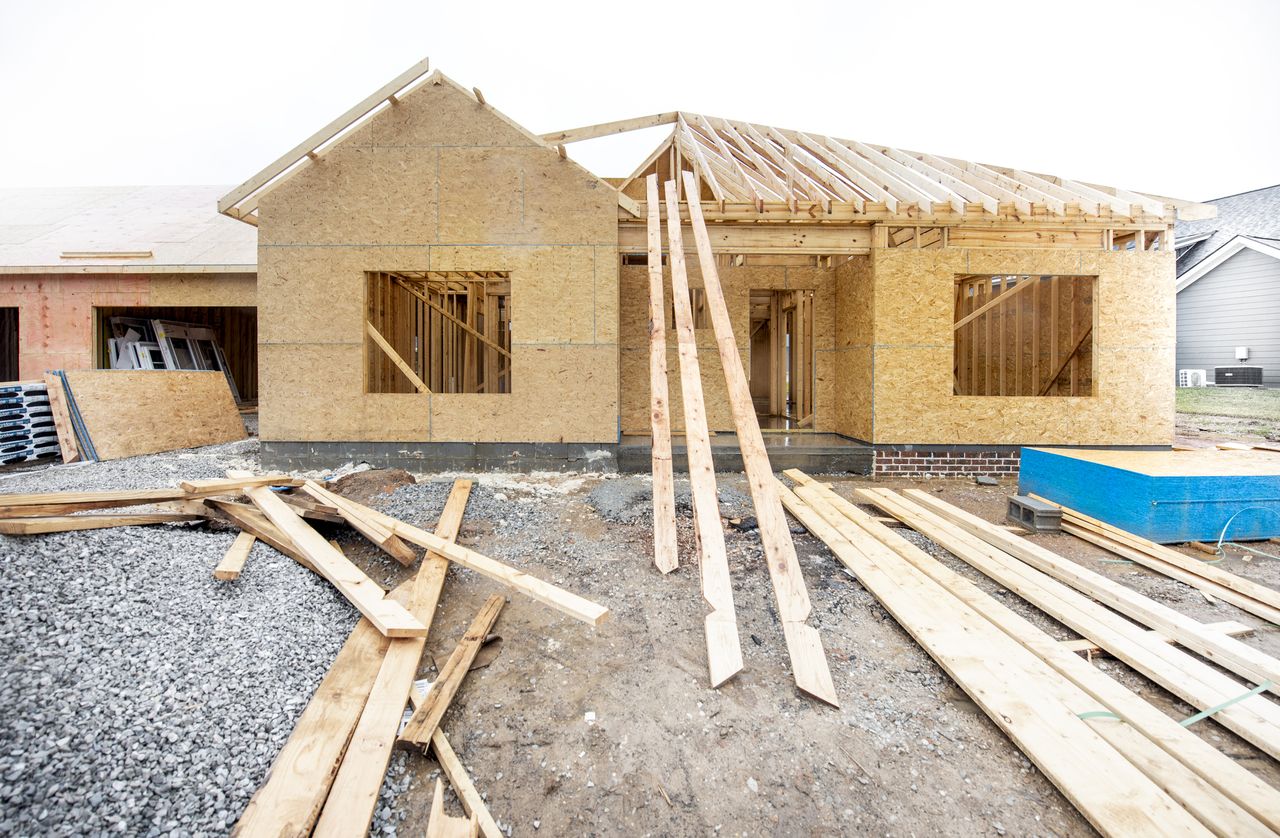
Homebuyers facing increasing mortgage rates are encountering a wave of enticing offers from builders. New construction communities are now promoting rates as low as 4%, significantly below the current market rates of around 6% to 7%. These incentives include substantial closing cost credits and complimentary upgrades, presenting an attractive option for buyers. However, it is essential for potential homeowners to understand the underlying structure of these deals to avoid unexpected long-term costs.
Understanding Builder Incentives
Builders are strategically leveraging financial incentives rather than opting for direct price cuts. Given the current economic climate, many large homebuilders are managing completed or near-completed inventory while potential buyers are increasingly sensitive to price. Instead of slashing prices—which can negatively impact appraisals and previous buyers—builders offer incentives like mortgage buydowns and closing cost credits. These strategies help maintain perceived home value while making it easier for buyers to qualify for loans.
For example, a temporary buydown reduces the interest rate for the first one to three years, potentially lowering monthly payments significantly. A typical structure might see a 2-1 buydown, where the rate drops by 2% in the first year and 1% in the second year before adjusting to the original rate. In contrast, a permanent buydown reduces rates for the loan’s entire term, often by requiring upfront payments.
In addition to rate buydowns, builders frequently offer closing cost credits to help cover lender fees, title insurance, and other prepaid costs. This reduction can be especially beneficial for first-time buyers who may struggle with cash flow at closing. Builders may also include upgrades such as premium flooring or appliances, enhancing the home’s attractiveness without directly lowering the price.
Potential Pitfalls of Builder Offers
Despite the apparent advantages, builder incentives can come with trade-offs that buyers should carefully consider. Often, the costs associated with these incentives are factored into the overall home price. While buyers might enjoy lower payments, they could be financing a higher purchase price, which may lead to greater long-term costs.
Another concern arises from the requirement to use a builder’s preferred lender. While this can streamline the process, it may limit buyers’ options and result in less competitive terms compared to other lenders. In many cases, using a preferred lender means sacrificing the ability to negotiate better rates or lower fees.
Temporary rate buydowns can also pose risks. They may create an illusion of affordability, but when the buydown period expires, buyers may find themselves facing significantly higher payments. Additionally, if the price of a new build is considerably higher than similar resale homes, buyers could end up financing perks rather than true value, which can affect future resale or refinancing opportunities.
Evaluating Builder Deals Wisely
To assess the value of any builder incentive, it is crucial to focus on the total cost rather than just the initial appeal. Buyers should compare the annual percentage rate (APR) rather than merely the advertised interest rate to account for fees and other costs associated with buydowns. Obtaining quotes from multiple lenders, even if planning to use the builder’s lender, can provide leverage and a clearer market perspective.
Understanding how incentives may impact resale value and appraisals is vital, particularly if the home price exceeds nearby comparable properties. Buyers should also pay close attention to how future payments are presented. A sales pitch that emphasizes the initial payment without adequately explaining the full payment schedule—including taxes and insurance—can lead to financial strain down the line.
In summary, while builder mortgage incentives can provide a helpful solution in a high-rate environment, they are not a replacement for diligent financial planning. By thoroughly understanding the details and comparing options, buyers can navigate these offers more effectively and avoid unexpected costs in the future.