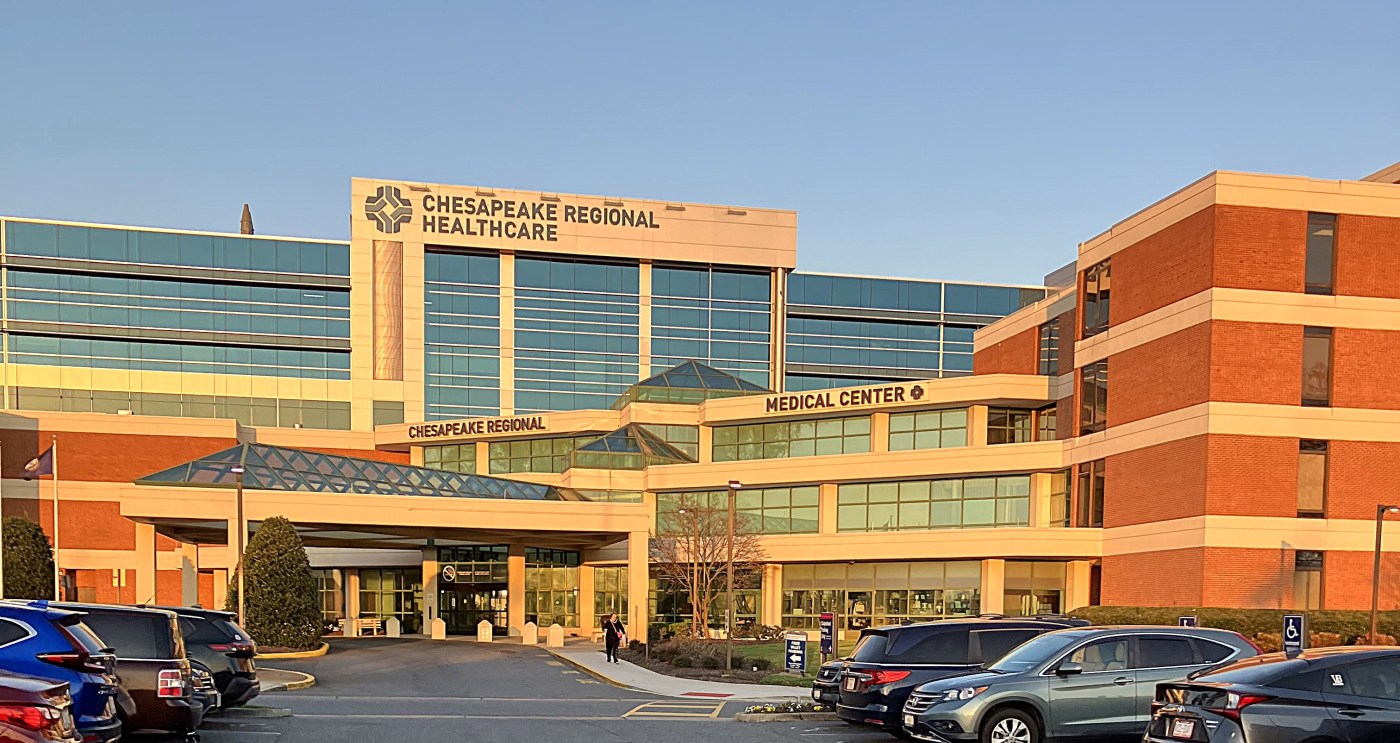
More than 600 women have united to file a lawsuit against Chesapeake Regional Medical Center (CRMC) and its senior executives, alleging they enabled a physician to perform unnecessary surgeries that resulted in permanent harm. The case centers around the actions of Dr. Javaid Perwaiz, an obstetrician and gynecologist who has faced serious accusations of malpractice for over three decades.
Among the plaintiffs is Kimberly Riddick, who recounted her experience with Dr. Perwaiz beginning in 2013. Riddick, now 35, was informed by the doctor that cysts were impairing her ability to conceive. Over three years, she underwent multiple surgeries based on his recommendations. It was only after seeking a second opinion that she learned these procedures were unnecessary, leading to complications that affected her health and family planning. “I thought I could trust him, that he was helping me out,” Riddick stated, reflecting the deep betrayal felt by many women involved in the lawsuit.
The lawsuit, filed in Chesapeake Circuit Court, claims that CRMC allowed Dr. Perwaiz to conduct medically unnecessary surgeries on patients, some of which led to permanent sterilization. The allegations suggest that hospital executives were made aware of Dr. Perwaiz’s conduct as early as the 1980s but failed to take appropriate action. According to Anthony DiPietro, one of the attorneys representing the women, “Individual doctors aren’t acting alone. It takes an entire institution to cover up abuse.” He emphasized that the hospital administration is not only complicit but actively participating in wrongdoing by failing to intervene.
Dr. Perwaiz is currently serving a prison sentence of 53 years after a jury found him guilty in 2021 of defrauding health insurance programs of more than $20.3 million. The fraudulent practices included performing irreversible hysterectomies and other unnecessary procedures on female patients. The lawsuit alleges that to accommodate his schedule, Dr. Perwaiz frequently induced labor or conducted cesarean sections prematurely, endangering the lives of newborns, a practice that became known as the “Perwaiz special” in CRMC’s neonatology unit.
The lawsuit further details instances where nurses reported that patients were often unaware of the surgeries planned for them. Some were misled into believing they had cancer to justify invasive procedures. Allegedly, Dr. Perwaiz altered patient consent forms while patients were under anesthesia, raising serious ethical concerns. Insurance payments from these unauthorized surgeries reportedly generated millions in revenue for the hospital.
In light of numerous warnings from both physicians and hospital administrators regarding Dr. Perwaiz’s practices, the lawsuit claims that CRMC executives either defended his actions or failed to respond. Dr. Perwaiz was granted privileges at CRMC in 1984 after previously being barred from practicing at Maryview Hospital in Portsmouth for similar reasons. Since then, the hospital has reapproved his surgical privileges every two years until his arrest in 2019.
The women involved in the lawsuit are seeking damages of $10 million each. “What happened at Chesapeake was not medicine. It was a chop shop,” asserted Victoria Wickman, co-counsel for the plaintiffs. The allegations have not only sparked a civil lawsuit but also led to a federal indictment of CRMC in early January 2025 on multiple charges related to healthcare fraud and conspiracy.
The indictment claims that CRMC consistently permitted Dr. Perwaiz to misclassify inpatient surgeries as outpatient procedures, thus evading stricter oversight required by healthcare benefit programs. The hospital’s governing body has filed motions to dismiss the indictment, arguing that it should be thrown out on the grounds of sovereign immunity and that the authority itself is not named in the indictment. This decision is currently being appealed in the Fourth U.S. Circuit Appeals Court.
As this legal battle unfolds, the ramifications of Dr. Perwaiz’s actions and the hospital’s alleged complicity continue to resonate deeply among the affected women and their families. The case not only seeks justice for those harmed but also aims to hold accountable the institutions that allowed such practices to persist unchecked.