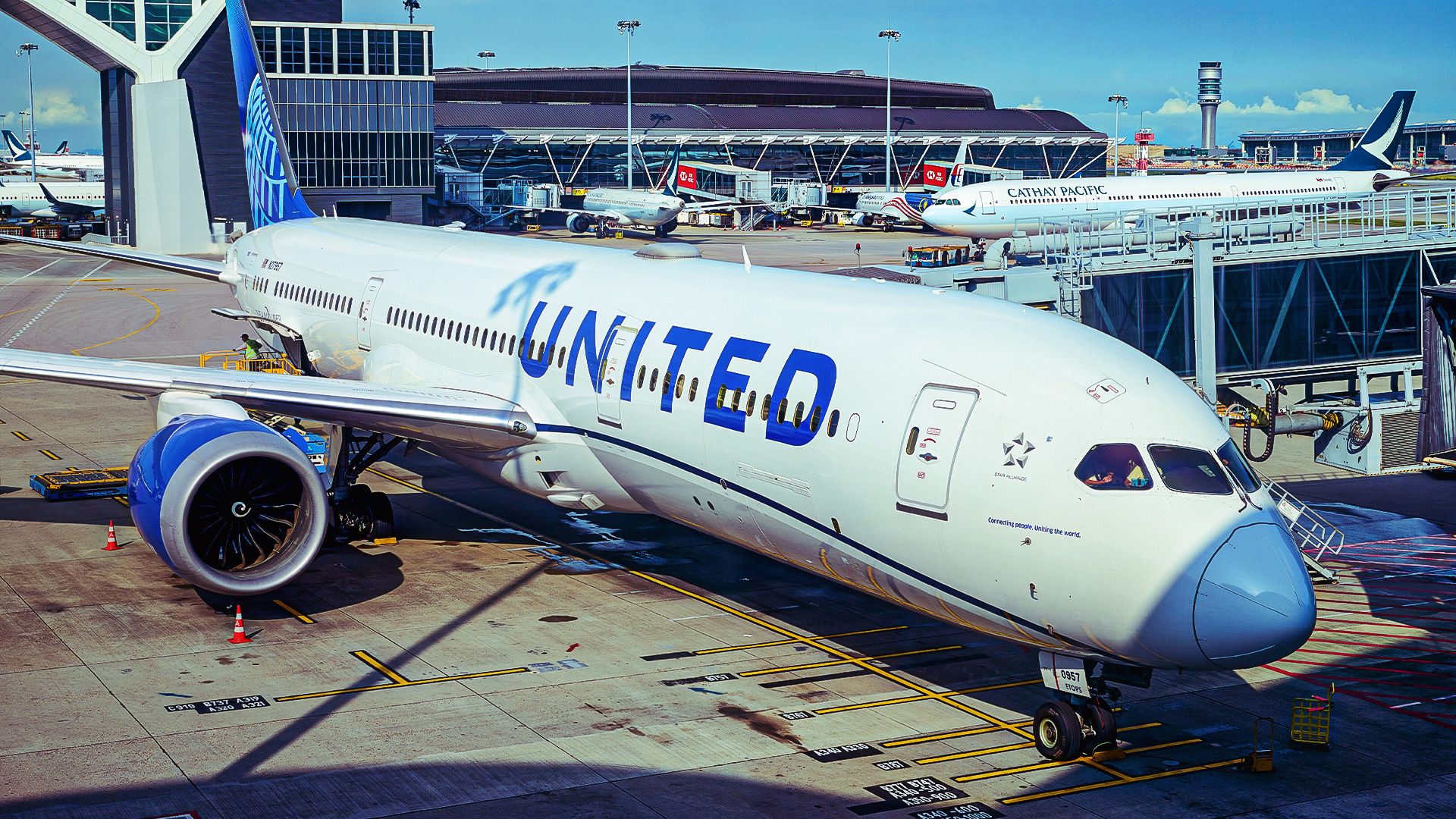
The aviation industry is witnessing a significant shift as major airlines consider the future of their fleets. Currently, the dominant operators of the Boeing 767 are **Delta Air Lines** and **United Airlines**, which together operate a total of **111 aircraft**. Delta maintains a fleet of **58 Boeing 767s**, while United has **53**. Both airlines utilize the **767-300ER** and the **767-400ER** variants. Given that many of these planes are now over 20 years old, the time has come to assess potential replacements.
As airlines look to modernize their fleets, two aircraft are emerging as top contenders: the **Boeing 787** and the **Airbus A330neo**. Both models offer advanced technology and improved fuel efficiency, making them appealing options for airlines seeking to replace aging fleets. Each aircraft brings unique features that cater to different operational needs, prompting a detailed comparison.
Boeing 787: A Lean, Efficient Option
The **Boeing 787**, often referred to as the Dreamliner, has been praised for its impressive fuel efficiency and passenger comfort. It employs composite materials that significantly reduce weight, contributing to lower operational costs. Airlines operating the 787 benefit from its long-range capabilities, allowing them to serve international routes with fewer stops.
Furthermore, the 787 features a modern cabin design, offering larger windows and improved air quality, which enhances the overall passenger experience. Delta and United have both expressed interest in expanding their fleets with the newer model, indicating a strong demand for its capabilities.
Airbus A330neo: A Strong Contender
On the other hand, the **Airbus A330neo** presents a formidable alternative with its own set of advantages. The A330neo is equipped with the latest generation of engines, which provide significant fuel savings compared to older models. Its spacious cabin layout allows airlines to configure seating for maximum comfort, making it a popular choice among carriers focusing on customer experience.
Airbus has marketed the A330neo as a versatile aircraft, suitable for both short and long-haul routes. Airlines appreciate the flexibility it offers, especially in a market that demands adaptability. With several airlines already operating the A330neo, it has begun to establish a reputation as a reliable choice for modern fleets.
As both Boeing and Airbus continue to innovate, the battle for supremacy in replacing the aging 767 fleet intensifies. Airlines must weigh the benefits of each aircraft based on their specific operational requirements and market conditions. While the **Boeing 787** may appeal to those focusing on long-haul efficiency, the **Airbus A330neo** offers flexibility that could attract a different segment of the market.
In conclusion, the decision between the Boeing 787 and the Airbus A330neo is not merely about the aircraft itself but also about the strategic direction airlines wish to take in the evolving landscape of air travel. With the **Boeing 767** nearing the end of its operational life, both aircraft stand ready to fill the void, each with its strengths and advantages. The coming years will reveal which model ultimately prevails in this critical replacement process.