World War II remains one of the most significant events of the 20th century, influencing global culture and history in profound ways. The conflict, which lasted from 1939 to 1945, has inspired countless films, ranging from epic narratives of heroism to intimate dramas exploring the human condition. The following ten films stand out as some of the most impactful representations of this tumultuous period, each offering a unique perspective on war’s complexities.
Exploring the Human Cost of War
The Best Years of Our Lives, released in 1946, was groundbreaking in its portrayal of the psychological scars left on soldiers returning from battle. Directed by William Wyler, the film focuses on three veterans as they attempt to reintegrate into civilian life. It highlights the struggles of a veteran grappling with alcoholism, portrayed by Fredric March, and a real-life veteran, Harold Russell, who lost both hands during the war. This film not only received critical acclaim but also won several Academy Awards, demonstrating its relevance and sensitivity to the long-term effects of war.
Another remarkable film in this category is Das Boot, directed by Wolfgang Petersen. Released in 1981, this German epic immerses viewers in the harrowing world of submarine warfare. Based on a real U-boat, the film captures the intense physical and mental strain experienced by its crew. The meticulous production, which included a year-long shoot and filming in sequence, enhances the authenticity of the crew’s degradation over time, making it an unforgettable cinematic experience.
Capturing the Spectacle and Tragedy of Conflict
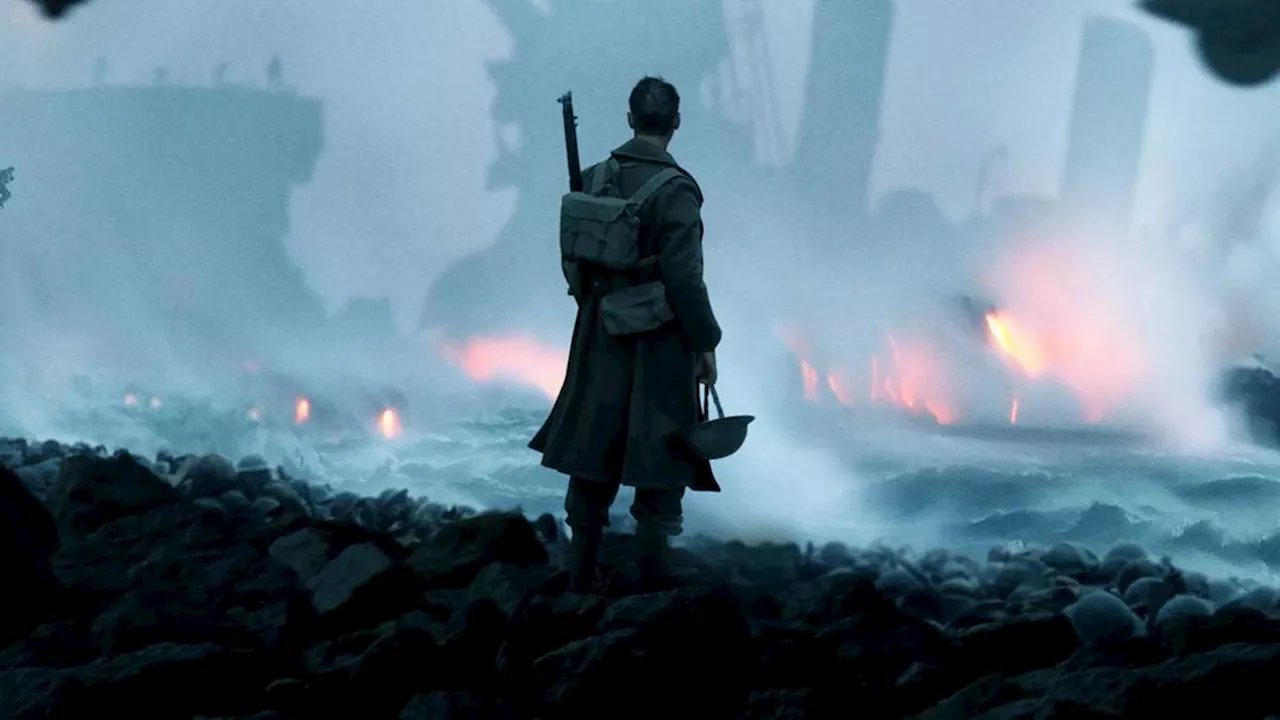
Christopher Nolan’s Dunkirk, released in 2017, is another film that exemplifies the scale and chaos of war. Centered on the evacuation of Allied troops from Dunkirk, the film employs a nonlinear narrative to create an escalating tension that intertwines the fates of its characters across land, sea, and air. Nolan’s minimal dialogue and reliance on practical effects deliver a visceral experience that emphasizes the human cost of conflict.
In terms of escapism, few films rival The Great Escape, which chronicles a real-life prison break from a German POW camp. Featuring an ensemble cast that includes Steve McQueen and Richard Attenborough, the film is both entertaining and adventurous, capturing the spirit of camaraderie among soldiers. Its thrilling sequences, particularly McQueen’s iconic motorcycle chase, have made it a classic in the genre.
Romance also finds its place among the chaos of war in the timeless classic Casablanca. Released in 1942, the film features Humphrey Bogart and Ingrid Bergman as former lovers reunited in a war-torn city. Its blend of romance and moral dilemmas against the backdrop of World War II has earned it a lasting legacy in cinema history.
Confronting the Horrors of Conflict
Animation brings a unique perspective to the war genre with Grave of the Fireflies, directed by Isao Takahata. This poignant film portrays the devastating impact of war on civilians, specifically through the eyes of a brother and sister in Japan during the Pacific War. The emotional depth and haunting visuals make it a significant work that resonates with audiences, despite its heavy subject matter.
Perhaps the most powerful representation of the Holocaust is Schindler’s List, directed by Steven Spielberg. Released in 1993, the film tells the true story of Oskar Schindler, who saved over a thousand Jewish lives during the Nazi regime. Spielberg’s unflinching depiction of the horrors faced by the Jewish community has made it an essential film for understanding this dark chapter in history.
Lastly, The Bridge on the River Kwai, directed by David Lean, offers a compelling exploration of duty and honor among POWs. Based on a novel by Pierre Boulle, the film presents a fictionalized account of Allied soldiers forced to build a railway bridge for their Japanese captors. It delves into the psychological conflicts faced by the characters, ultimately questioning the nature of honor in the face of futility.
In the realm of war cinema, Come and See stands as one of the most harrowing films ever made. Directed by Elem Klimov, it depicts the Nazi occupation of Byelorussia through the eyes of a teenage boy. The film’s unflinching portrayal of violence and its emotional impact make it a powerful statement on the horrors of war.
These ten films not only entertain but also serve as poignant reminders of the complexities and consequences of war. Each offers a distinct narrative that reflects the myriad experiences and emotions associated with World War II, ensuring their place in cinematic history for generations to come.