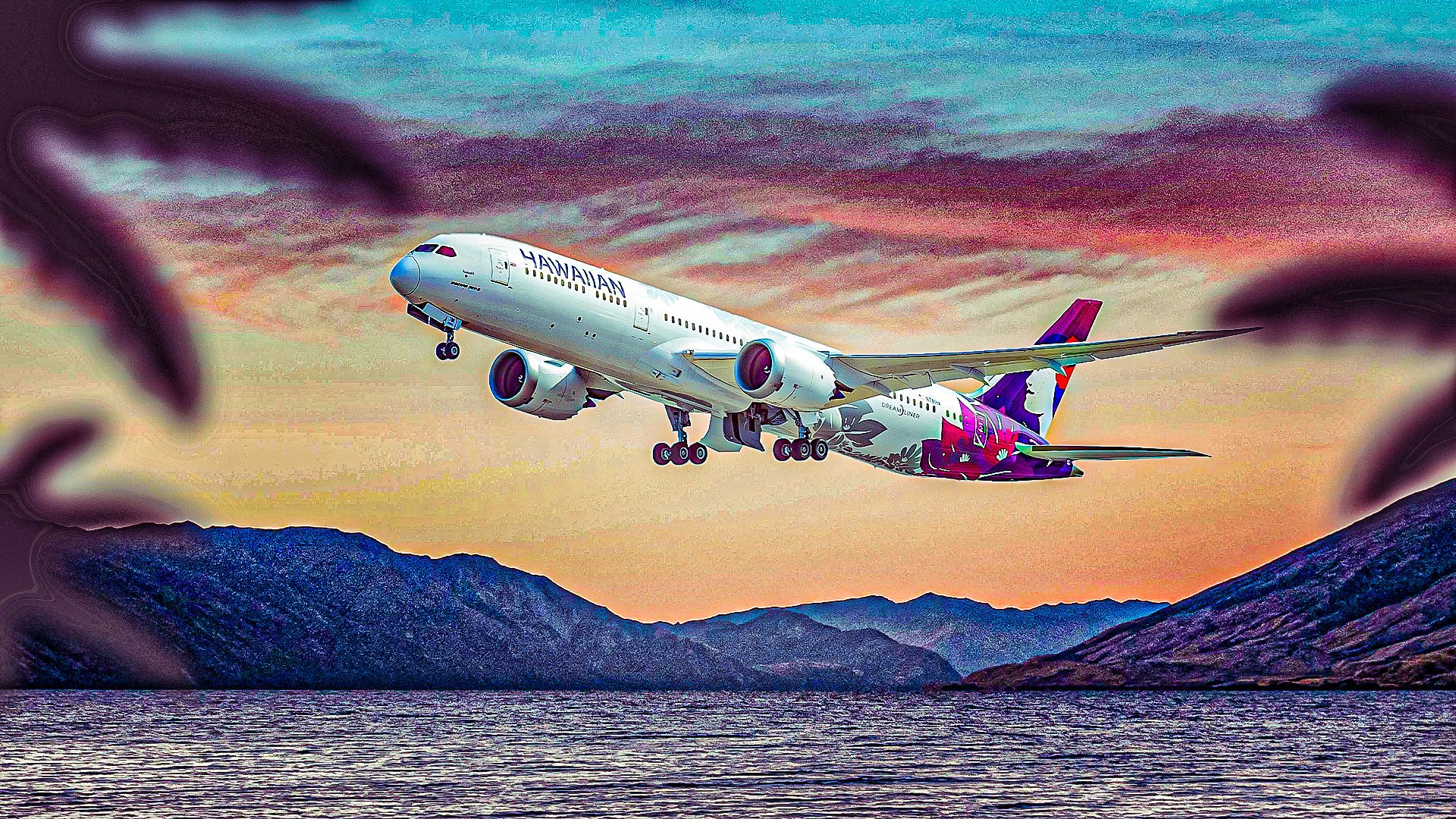
Hawaiian Airlines encountered significant community backlash following the release of a memo that suggested the airline would eliminate Hawaiian words to promote inclusivity. The initial communication quickly circulated online, prompting criticism from various observers who perceived it as a loss of the airline’s cultural identity. In response to the uproar, Hawaiian Airlines clarified that the memo had been poorly worded and that the Hawaiian language would remain integral to its operations.
The airline, which was acquired by Alaska Air Group in September 2024 for $1.9 billion, is navigating the complexities of merging its policies while maintaining its unique heritage. While some operational processes are set to change, Hawaiian Airlines intends to retain its brand identity, including the use of Hawaiian language and cultural values.
Clarification and Commitment to Culture
In the original memo, the airline stated, “In an effort to align our language to be inclusive for our entire employee population across the entire U.S., the Hawaiian words have been removed.” This statement prompted immediate backlash, as critics claimed it represented a detrimental shift in the airline’s commitment to its roots.
Debbie Nakanuela-Richards, the airline’s Cultural Relations Director, addressed the situation in a statement to Hawaii News Now. “Often times when you see things at face value, you don’t see the totality of where a statement came from or where a comment came from,” she said. Nakanuela-Richards reassured stakeholders that Hawaiian Airlines would continue to embody its brand promise, connecting people with Aloha and honoring Hawaiian values.
The Hawaiian language holds official status in the state of Hawaii, making its preservation a vital aspect of the airline’s operations. The airline has committed to incorporating Hawaiian cultural practices even as it integrates with Alaska Air Group.
Future Plans and Community Engagement
Hawaiian Airlines emphasized its dedication to preserving its cultural identity through various community outreach initiatives. These include partnerships with Hawaiian immersion schools and the Ke Kumu language classes offered throughout the Alaska Air Group. The airline also plans to maintain its ‘ōlelo Hawai’i flight program and language certification for flight attendants, ensuring that the Hawaiian language remains a prominent feature in its customer service.
As part of the merger, both airlines have now combined their loyalty programs into Atmos Rewards, further consolidating their operations. This strategic alignment aims to enhance Alaska’s access to new international markets and expand its domestic and international route offerings.
The acquisition of Hawaiian Airlines has positioned the airline group as one of the strongest carriers on the U.S. West Coast, with a combined fleet of 443 aircraft serving over 140 destinations across Asia, Oceania, North America, and Europe. This merger not only offers a lifeline for Hawaiian Airlines but also facilitates Alaska Airlines’ growth into long-haul international routes using Hawaiian’s widebody aircraft.
The swift reaction from the community underscores the significance of cultural representation in business communications, particularly for an airline deeply rooted in Hawaiian heritage. Hawaiian Airlines’ commitment to its identity and values will be critical as it navigates its new landscape under the Alaska Air Group umbrella.