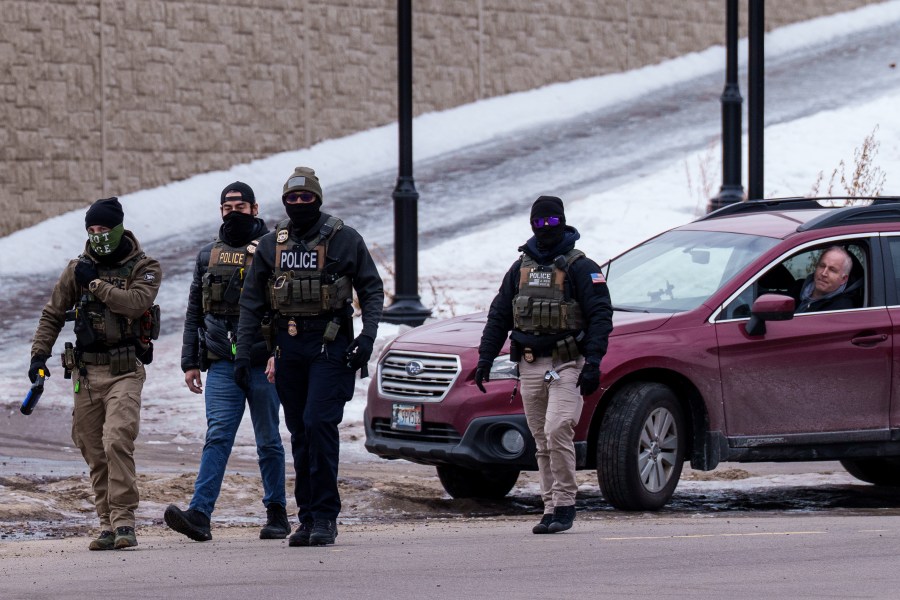
A Liberian man, Garrison Gibson, has been taken back into custody in Minneapolis, following his release just a day earlier. This latest development occurred after a federal judge ordered Gibson’s release, citing that federal agents unlawfully entered his home without a judicial warrant.
The arrest of Gibson took place on March 15, 2024, when armed officers from U.S. Immigration and Customs Enforcement (ICE) used a battering ram to break down the door of his residence. This dramatic action has raised significant questions regarding the legality of the arrest and the methods employed by federal authorities.
In a statement, Gibson’s attorney expressed concerns over the tactics used during the arrest, emphasizing that the lack of a warrant undermines the principles of due process. The attorney, who has been vocal about the need for accountability in such cases, stated, “This is not just about my client; it’s about protecting the rights of all individuals.”
Gibson’s initial release highlighted the ongoing tensions surrounding immigration enforcement practices in the United States. Many advocates argue that aggressive tactics such as those displayed in Gibson’s case disproportionately affect vulnerable populations, raising issues about civil rights and public safety.
The situation has captured the attention of local and national advocacy groups, who are calling for reforms in how immigration enforcement is conducted. They argue that incidents like this one could lead to a chilling effect on communities, where individuals may fear seeking assistance or reporting crimes due to the threat of deportation.
The legal implications of Gibson’s arrest and subsequent release may open discussions around the broader policies of ICE and their operational protocols. Legal experts suggest that cases like this could lead to increased scrutiny of federal law enforcement practices, particularly in residential areas.
As the story develops, many are watching closely to see how the situation will affect Gibson’s legal standing and whether it will prompt changes in federal law enforcement practices moving forward. The case underscores the complexities of immigration law and the ongoing debates surrounding enforcement and civil liberties in the United States.