NASA is advancing aviation safety by testing a blockchain-based system designed to enhance the security of flight data and protect air traffic management from potential cyber threats. This innovative approach aims to ensure that data transmitted between aircraft and ground stations remains reliable and transparent.
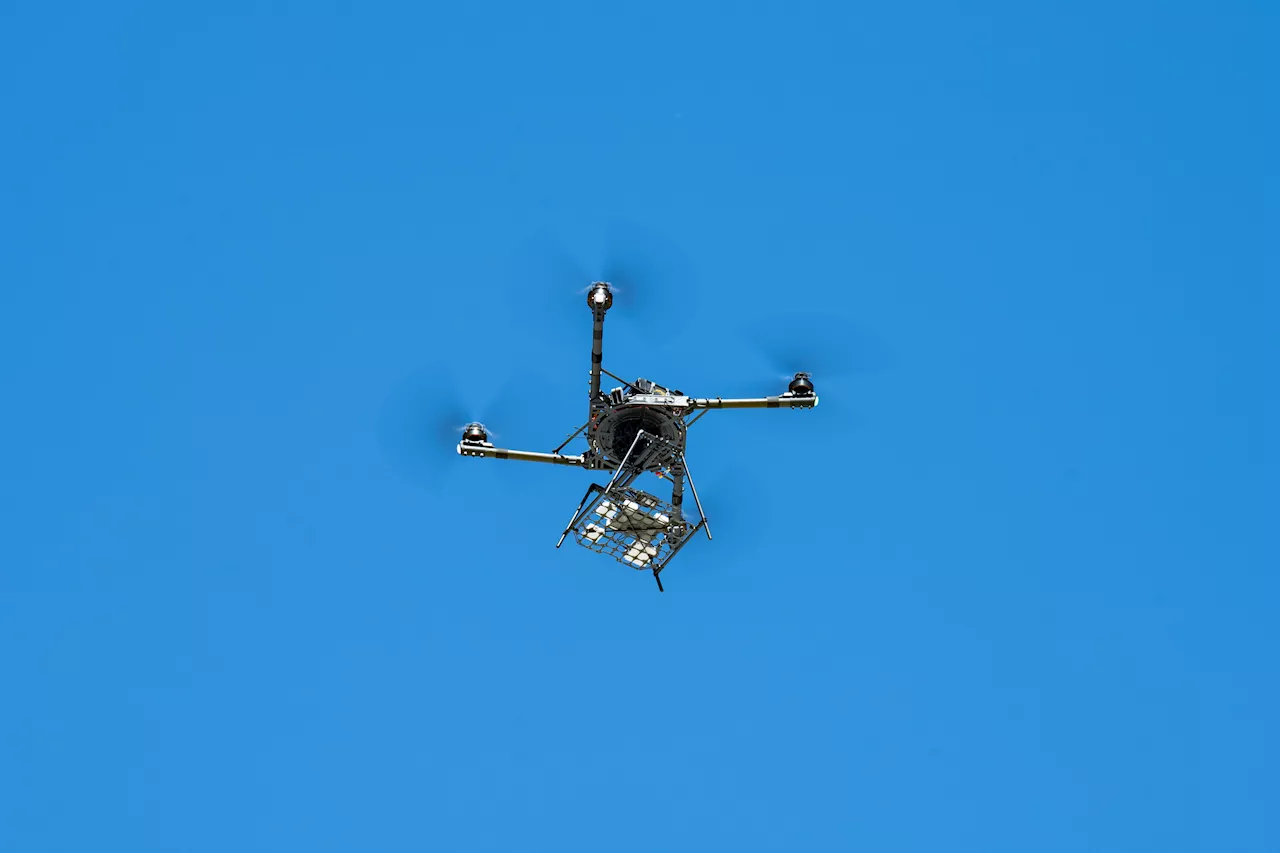
At the Ames Research Center in California’s Silicon Valley, NASA researchers conducted a flight test using an Alta-X drone equipped with a specially developed payload for the new blockchain system. The primary goal is to safeguard air traffic management against disruptions and to prevent data from being intercepted or manipulated. In an environment where data security is paramount, the ability to trust the integrity of flight data is crucial for safe aviation and airspace operations.
Current systems, while effective, face evolving cyber threats that necessitate new strategies. Researchers found that their blockchain solution can securely transmit and store information in real-time. Operating like a decentralized database, blockchain does not depend on a single computer or centralized system; instead, it disseminates information across a vast network, recording and verifying every modification to a dataset. This ensures that the data remains safe, accurate, and trustworthy.
In previous cybersecurity initiatives, NASA focused on layered security architectures that employed various physical and digital security measures. For this test, however, the emphasis was on utilizing blockchain technology to counteract specific threats. The use of drones allowed the research team to demonstrate the versatility of the blockchain framework, which has applications in several priority areas, including autonomous air traffic management, urban air mobility, and high-altitude operations.
Terrence D. Lewis, Kale Dunlap, and Aidan Jones were instrumental in monitoring telemetry from both actual and simulated flights, ensuring that the simulation and blockchain systems accurately processed and recorded data. The team employed an open-source blockchain framework that facilitates real-time sharing and storage of critical information, such as aircraft operator registration, flight plans, and telemetry. Access to this data is restricted to trusted parties and approved users, enhancing security.
To further assess the system’s resilience, the researchers integrated a series of cybersecurity tests designed to evaluate, improve, and fortify security measures during airspace operations. In August 2023, during a flight at Ames, the team successfully showcased these capabilities with an Alta-X drone, which carried a custom-built software and hardware package, including a computer, radio, GPS system, and battery. The test simulated real-world conditions, featuring a separate ground control station along with the blockchain and security infrastructure.
The underlying blockchain framework and associated cybersecurity protocols are scalable and can support operations at altitudes of 60,000 feet and higher, as well as Urban Air Mobility initiatives. This research paves the way for a more secure and trusted aviation ecosystem.
Looking ahead, NASA researchers will continue to analyze the data collected during the tests and apply their findings to future projects. The outcomes of this testing phase are expected to benefit stakeholders in U.S. aviation, who are seeking innovative tools to enhance operational safety.
Under its Air Traffic Management and Safety project, NASA is committed to transforming air traffic management systems to accommodate the increasing demand for new air vehicles. This initiative is part of NASA’s Aeronautics Research Mission Directorate, which aims to facilitate safe and efficient aviation operations that serve both the public and industry.