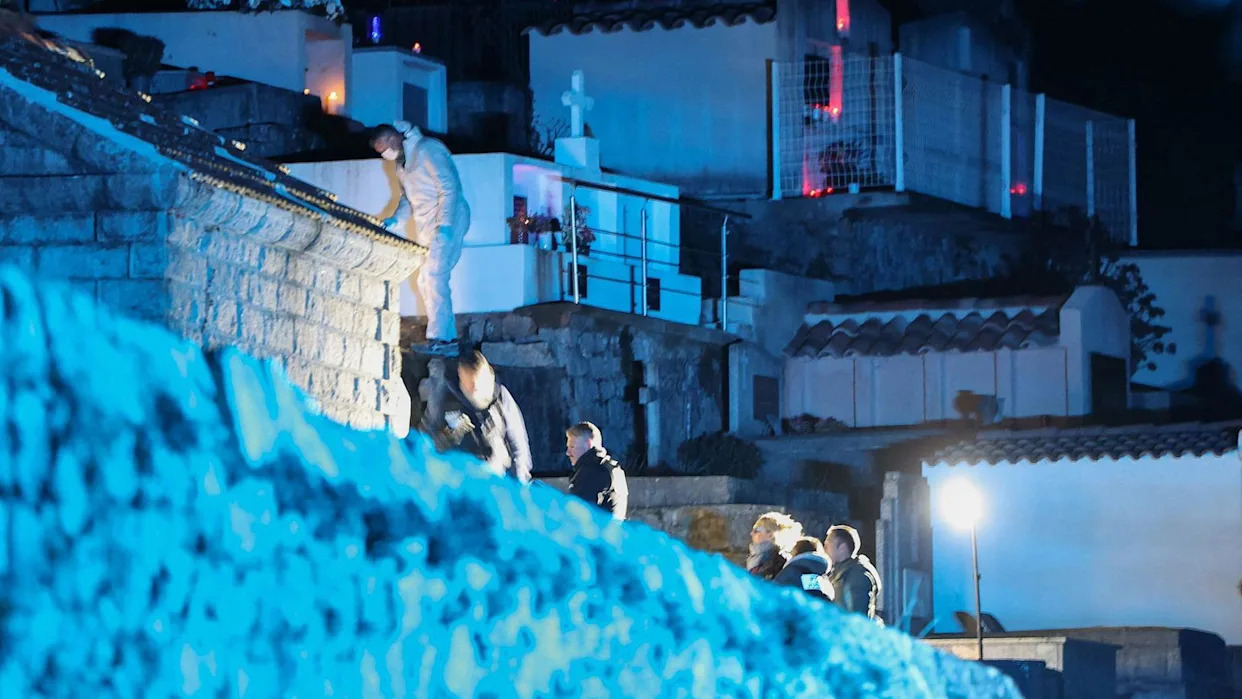
The murder of former nationalist leader Alain Orsoni during his mother’s funeral in Vero, Corsica, has sent shockwaves through the small Mediterranean island. Orsoni, who was 71 years old and had returned from exile in Nicaragua, was shot dead as mourners gathered to pay their respects. The incident marks a troubling continuation of violence on the island, which has seen 35 murders in the past three years, contributing to one of the highest murder rates in France.
Orsoni’s funeral, held on October 3, 2023, drew a significant police presence, reflecting the tension surrounding the event. Close friend Jo Peraldi expressed disbelief at the violent act occurring in such a sacred space. “A cemetery is sacred in Corsica, just like a church,” he remarked to Corsican radio. His sentiment highlights the deep cultural significance of funerals on the island and the shock felt by the community.
The shooting has reignited discussions about the changing nature of violence in Corsica. According to Thierry Dominici, an expert on Corsican nationalism at the University of Bordeaux, the shift from armed struggle for autonomy to organized crime has created a new landscape of violence. “Once armed groups gave up their violent campaign for autonomy, they kept their weapons and turned to organized crime,” he stated in an interview with the BBC. This transition has led to a proliferation of criminal activities, including drug trafficking and extortion.
Following Orsoni’s death, authorities in Paris have initiated an investigation, with judges specializing in organized crime collaborating with the regional prosecutor’s office in Marseille. Gilles Simeoni, president of Corsica’s regional authority, emphasized the significance of Orsoni’s killing, stating, “This murder increases the mafia pressure that weighs heavily on Corsican society.”
Orsoni’s legacy is deeply intertwined with Corsican nationalism and the island’s violent history. He had previously served time in prison for orchestrating bomb attacks against the French state. His family has been marked by tragedy; his brother was killed by a rival clan in 1983, and his son is currently incarcerated for drug trafficking and attempted murder.
The implications of Orsoni’s assassination extend beyond Corsica. Criminologist Alain Bauer commented on the inevitability of such violence, predicting that it could lead to further retaliatory killings. “In the end, the main victims are the Corsicans themselves,” he noted.
The local community is now left grappling with the aftermath of this shocking event. Cardinal François Bustillo, the bishop of Ajaccio, has called for an end to the cycle of violence, urging residents to reject the pervasive culture of retribution. “We cannot allow Corsica to drift towards its demons,” he stated. The effectiveness of this message remains uncertain as tensions continue to simmer on the island.
As investigations proceed and the community mourns, Orsoni’s death serves as a stark reminder of the enduring legacy of violence in Corsican society, raising questions about the future of peace on this idyllic island.