The horror film genre has undergone significant evolution over the past century, marked by several pivotal years that have redefined its landscape. These years not only showcased groundbreaking films but also reflected changing societal fears and cultural trends. Spanning from the silent film era to contemporary blockbusters, the horror genre remains a vital part of cinema, continually adapting to engage modern audiences.
2018: A Year of Diverse Horrors
The year 2018 stands out for its eclectic mix of horror films, showcasing the genre’s diversity. Notable entries included the critically acclaimed **Hereditary** and **Annihilation**, alongside mainstream hits like **A Quiet Place** and **Bird Box**. This year illustrated a pivotal moment in 21st-century horror, where box office successes like **The Nun** coexisted with innovative streaming releases such as **Mandy**. While some years in the 2010s may have featured more focused highlights, no other year encapsulated the pre-COVID era’s varied horror landscape quite like 2018.
1999: The Birth of New Voices
By 1999, horror had shifted from the irreverent tone of the early ’90s to a more defined identity, marked by films that broke new ground. The success of **The Blair Witch Project** introduced audiences to the found footage format, marrying a DIY aesthetic with emerging internet technology. This year also saw the rise of new filmmakers like M. Night Shyamalan, whose innovative storytelling captivated viewers. With a mix of remakes and original content, 1999 proved to be a transformative year for the genre.
1987: Franchise Obsession Peaks
The late 1980s marked a peak in horror franchises, with 1987 serving as a hallmark of this trend. Films like **Evil Dead II** and **A Nightmare on Elm Street 3: Dream Warriors** not only dominated box offices but also showcased the genre’s creative potential. While sequels were prevalent, new ideas emerged, such as **Hellraiser**, which introduced Clive Barker as a significant voice in horror. The year also featured a blend of genres, with **Predator** merging science fiction and horror, and **The Stepfather** offering a psychological twist on traditional slasher tropes.
1981: The Slasher Era Emerges
As the slasher genre gained momentum in 1981, films like **Friday the 13th** and **My Bloody Valentine** capitalized on the trend’s popularity. Despite the influx of slasher films, the year produced classics that demonstrated originality, including **The Evil Dead** and **An American Werewolf in London**. The combination of supernatural horror and dark humor showcased the genre’s versatility, making 1981 a significant year in horror history.
1978: A Turning Point for Horror
The year 1978 represented a culmination of horror’s evolution throughout the 1970s. With the release of **Halloween** and **Dawn of the Dead**, the genre established itself as socially relevant, addressing contemporary issues through a horror lens. **Halloween** solidified the slasher format, while **Dawn of the Dead** redefined zombie films by linking them to societal commentary. Together, these films signaled a shift that would influence future horror narratives.
1974: Groundbreaking Visions
In the aftermath of the Vietnam War, horror took a darker turn in 1974. Films like **The Texas Chainsaw Massacre** introduced audiences to a new wave of gruesome violence, reflecting the harsh realities of the time. The psychological horror of **Black Christmas** presented a more human villain, aligning the genre with the darker aspects of modern life. This year marked a significant departure from previous trends, focusing on raw, visceral fear.
1968: A Revolutionary Year
The legacy of horror in 1968 is largely defined by two iconic films: **Rosemary’s Baby** and **Night of the Living Dead**. These films revolutionized the genre by addressing societal issues and combining horror with psychological depth. **Night of the Living Dead** not only established the modern zombie archetype but also tackled racial tensions, making it a landmark film in both horror and social commentary.
1960: The Resurgence of Horror
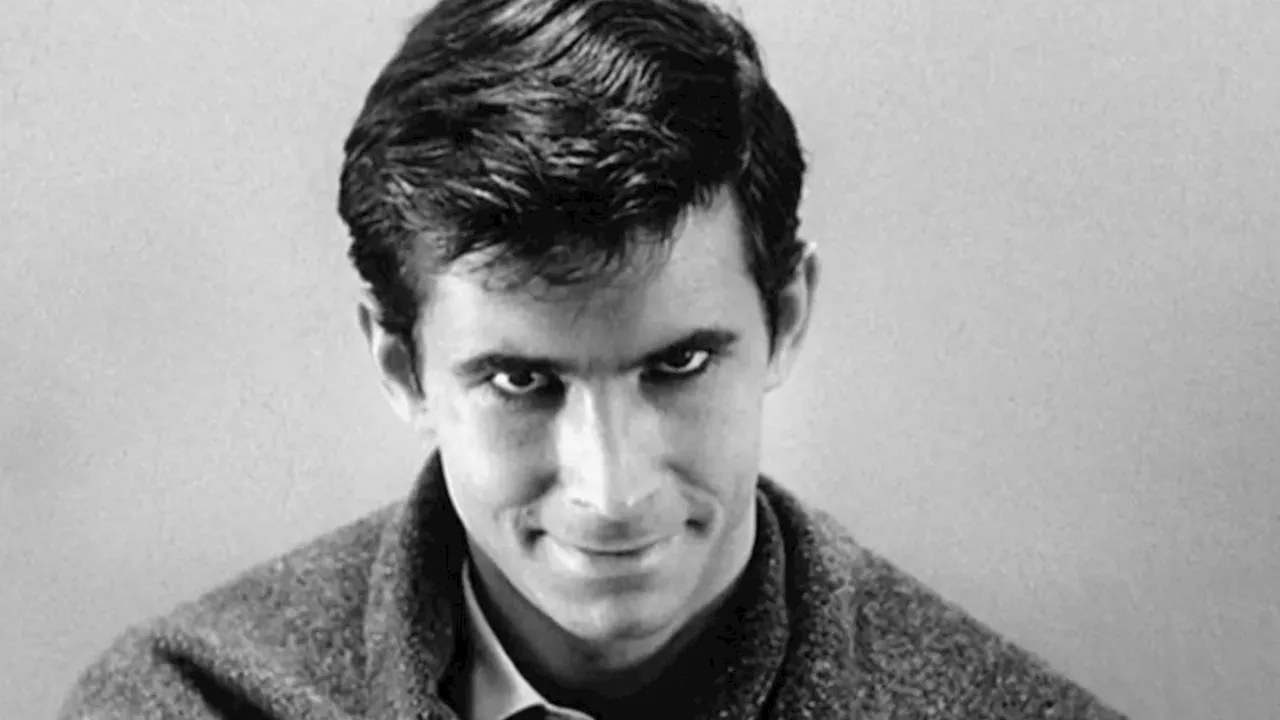
The year 1960 marked a significant shift in horror, largely driven by Alfred Hitchcock‘s **Psycho**. This film redefined horror conventions and introduced psychological themes that resonated with audiences. Alongside Hitchcock, director Michael Powell’s **Peeping Tom** explored similar themes of violence and morality, showcasing the genre’s capacity for depth and complexity. This resurgence set the stage for subsequent innovations in horror storytelling.
1931: The Birth of Classic Horror
The horror genre found its footing in 1931, when Universal Pictures made a bold commitment to horror films. The releases of **Dracula** and **Frankenstein** established the foundation for modern horror cinema. The performances of actors like Boris Karloff and Bela Lugosi became iconic, marking the beginning of horror as a cultural phenomenon. Nearly a century later, these films remain celebrated as foundational works in the genre.
The impact of these years extends beyond entertainment; they reflect societal fears and cultural shifts that resonate with audiences. As the horror genre continues to evolve, these landmark years serve as reminders of its dynamic nature and enduring appeal.