As of November 2023, the Justice Department has yet to release all materials related to the Epstein case, missing its deadline by one month. This failure has prompted a notable sense of indifference among Republicans in Congress, who are no longer pressing for the documents to be made public.
The Epstein files, which have been the subject of intense scrutiny and speculation, were expected to be made available by October 31, 2023. This deadline was set by the Department of Justice following requests from various congressional members and advocacy groups. Reports indicate that the materials could shed light on the extent of Jeffrey Epstein‘s connections with powerful individuals and the legal proceedings that followed his arrest.
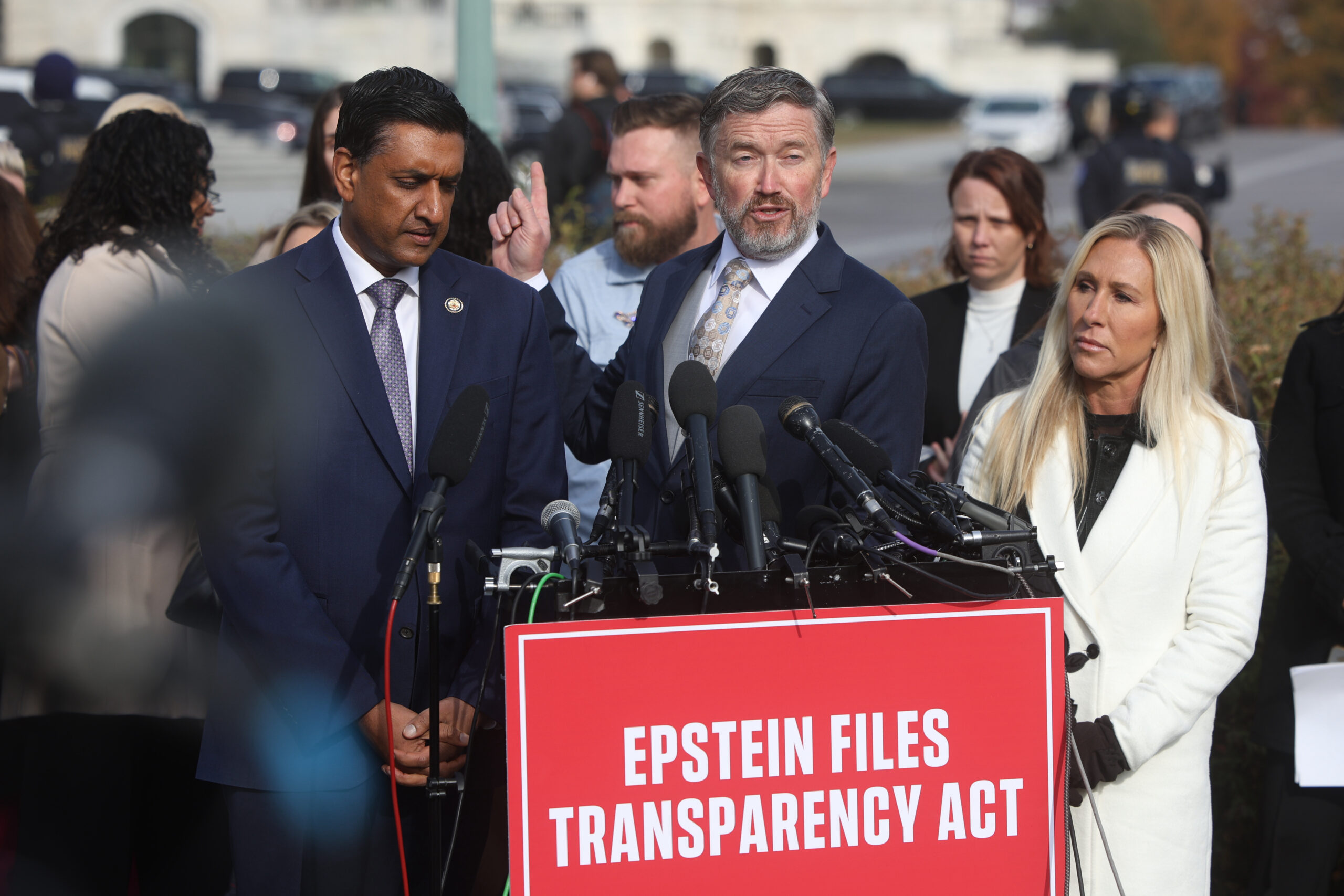
Despite initial calls for transparency, many Republican lawmakers have adopted a passive stance regarding the release of these documents. Some members express a belief that the issue has become less politically relevant, while others simply wish to focus their efforts on different legislative priorities. This shift reflects a broader trend within the party, where attention to the Epstein case has waned significantly.
In recent weeks, Republican leaders have redirected their focus to pressing matters such as the economy, national security, and healthcare. The lack of urgency surrounding the Epstein files stands in stark contrast to the heightened interest expressed earlier this year, when multiple congressional hearings were held to discuss the implications of the case.
Public interest remains high, with advocacy groups continuously calling for the release of the documents. For many, the Epstein case symbolizes larger issues surrounding accountability and transparency, particularly regarding high-profile individuals and their connections to power.
Despite the diminished enthusiasm from Congress, some lawmakers continue to express concerns about the implications of withholding such information. Attorney General Merrick Garland has faced criticism for not providing a clear timeline for when or if the remaining materials will be released. As the Justice Department navigates the complexities of the case, questions linger regarding the motivations behind the delay.
In Washington, D.C., the Epstein files represent a microcosm of broader political dynamics, where public interest and legislative action do not always align. The situation underscores the challenges of maintaining accountability in high-profile cases and the potential impact of political priorities on issues that resonate deeply with the public.
As the one-month anniversary of the missed deadline approaches, the question remains: Will the Epstein files ever be released, and if so, how will Congress respond? The lack of urgency from Republican leaders suggests that, for now, the matter may remain on the back burner.