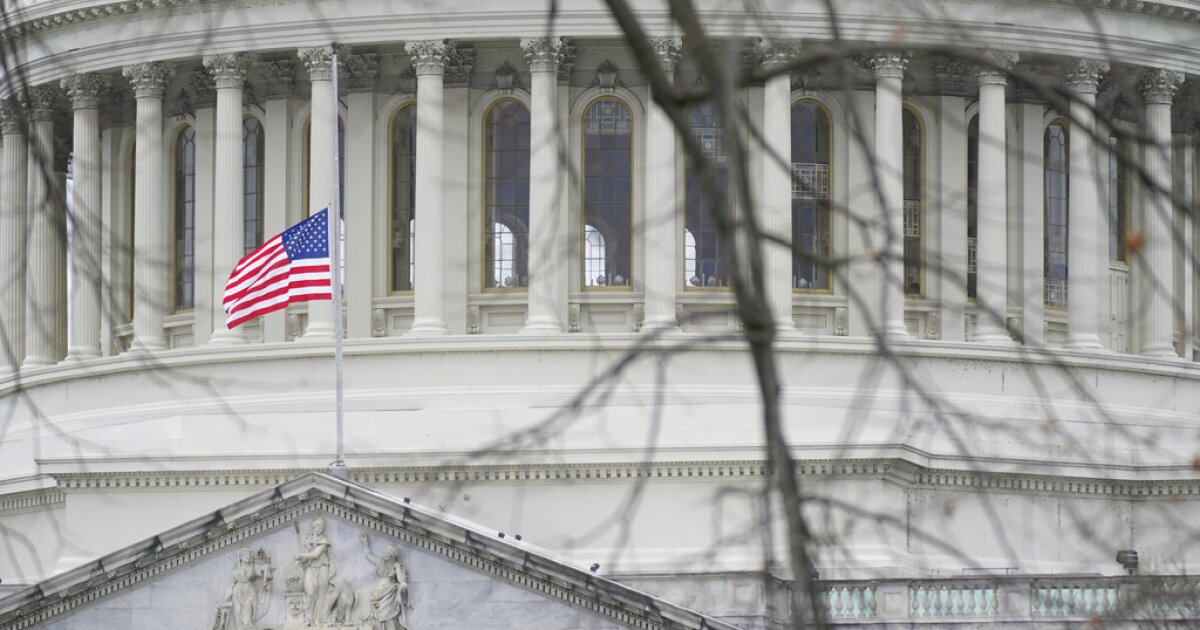
The House of Representatives passed a significant package of government funding bills totaling $1.2 trillion, aimed at keeping federal operations running through the remainder of the year. The vote, which concluded with a tally of 341-88, reflects a bipartisan effort to avoid a repeat of the record-long government shutdown experienced late in 2025. Funding allocations primarily target crucial departments such as Defense, Education, Transportation, and Health and Human Services.
One of the more contentious measures was a bill aimed at the Department of Homeland Security, which garnered considerable pushback from Democratic lawmakers but ultimately passed with a narrow margin of 220-207. Critics within the Democratic Party expressed concern over the funding priorities of the Department, particularly regarding its approach to deportation and treatment of American citizens.
In a statement, several House party leaders emphasized, “Taxpayer dollars are being misused to brutalize U.S. citizens, including the tragic killing of Renee Nicole Good. This extremism must end.” This sentiment underscores the ongoing debates surrounding immigration policy and federal funding.
Despite the opposition, the Homeland Security bill includes provisions that align with some Democratic objectives. Notably, it maintains funding for Immigration and Customs Enforcement (ICE) at 2025 levels, avoiding any increases. It also allocates an additional $20 million for body cameras for ICE and Customs and Border Patrol officers, alongside mandatory de-escalation training for these personnel. Furthermore, the bill mandates that the Department of Homeland Security permit congressional oversight regarding the allocation of funds from the “One Big Beautiful Bill Act.”
As the legislation now moves to the Senate, lawmakers are under pressure to finalize the bills by the January 30, 2026 deadline. Failure to do so could result in another government shutdown, placing additional strain on federal services and employees.
The recent House actions highlight the complexities of federal funding amid polarized political views. With critical sectors of the government at stake, the coming days will be crucial as the Senate deliberates on this funding package.