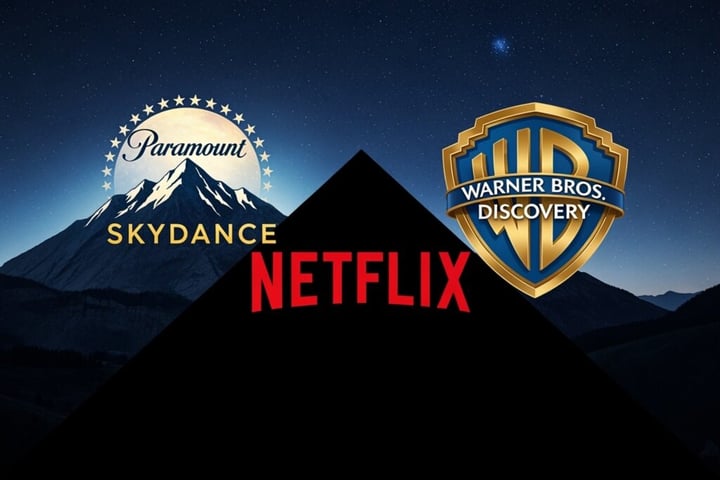
Netflix co-CEO Greg Peters expressed strong skepticism regarding Paramount Skydance’s recent $108 billion hostile bid for Warner Bros. Discovery. In an interview with the Financial Times, Peters stated that the offer, aimed at acquiring Warner Bros. and its assets, is unrealistic without significant financial backing from Larry Ellison, founder of Oracle Corp. Peters characterized the proposal as lacking credibility, asserting it “doesn’t pass the sniff test.”
Peters criticized the reliance on a debt-fueled strategy, indicating that the financial structure of Paramount’s bid is riskier than Netflix’s own recent offer of $82.7 billion, which is entirely in cash. This cash offer is designed to acquire WBD’s film and television studios, including major franchises such as HBO and Warner Bros. He referred to the additional leverage required for Paramount’s bid as “pretty crazy.”
Paramount has taken its bid directly to Warner Bros. shareholders following the rejection by the company’s board. However, initial results suggest limited success, with Paramount managing to secure only around 7% of WBD shares, a significant shortfall from the majority needed to gain control.
Potential Industry Impact and Regulatory Concerns
The implications of a potential merger between Netflix and Warner Bros. would be profound, potentially reshaping the landscape of Hollywood by uniting blockbuster franchises like “Game of Thrones” and “Harry Potter” with Netflix’s own popular series, such as “Stranger Things” and “Squid Game.” Peters acknowledged that this prospect has raised concerns among filmmakers, unions, and theater owners who fear that Netflix’s dominance could diminish the theatrical experience.
To address these concerns, Peters assured that Netflix would respect Warner Bros.’ traditional 45-day theatrical window, countering apprehensions that the streaming giant would undermine cinema releases. This assurance comes as both bids are likely to undergo rigorous scrutiny from regulators in the United States and Europe.
Peters emphasized that Netflix’s competition extends beyond traditional media, including platforms such as YouTube, owned by Alphabet Inc., as well as Amazon and Apple. He noted that, despite its prominence, Netflix accounts for less than 10% of television viewing hours in most markets, highlighting the competitive landscape in which the company operates.
Stock performance reflected the uncertainty surrounding these developments. According to Benzinga Pro, Netflix shares fell by 2.13% during Thursday’s trading session, and have decreased by 10.65% over the past month. Analysts have indicated a negative trend for Netflix’s stock in the short, medium, and long term, with concerns over its momentum and value rankings.
As the situation unfolds, the entertainment industry will be closely monitoring both Paramount’s and Netflix’s strategies, as well as the future of Warner Bros. Discovery within this evolving landscape.