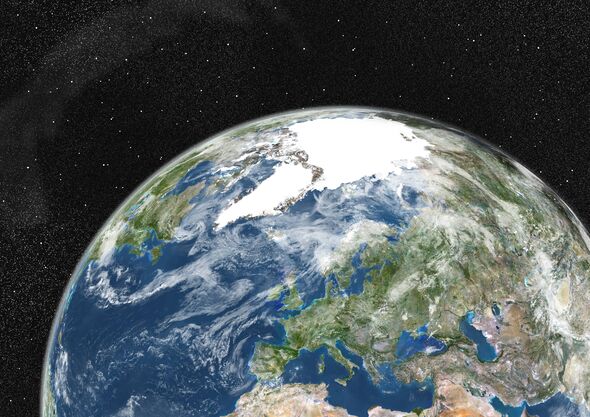
A viral conspiracy theory claiming that Earth will lose gravity for seven seconds on August 12, 2026, has sparked widespread alarm across social media platforms. This unfounded assertion suggests that millions could die as a result of this gravity loss, with proponents predicting as many as 60 million deaths during the event. The theory, which refers to a supposed NASA document called Project Anchor from November 2024, has been circulated extensively on platforms such as Instagram and X, leading to significant public concern.
The claims have been met with strong rebuttals from NASA, which has clarified the scientific impossibility of such an event. In a statement issued to the fact-checking organization Snopes, a NASA representative emphasized that gravity on Earth is directly linked to the planet’s mass. The spokesperson stated, “The Earth will not lose gravity on August 12, 2026. Earth’s gravity, or total gravitational force, is determined by its mass.” They further explained that for Earth to lose gravity, a fundamental change in its mass would be necessary, which is not feasible.
As this speculation gained traction, it became part of a broader narrative of catastrophic predictions for 2026. Interest in the year has been fueled by various interpretations of the writings of Nostradamus, the famed 16th-century seer. Although he did not make specific predictions for this year, some enthusiasts have scrutinized his texts for hints about future events. The New York Post reported that one passage, the 26th verse of Century I, suggests that “a great man will be struck down in the day by a thunderbolt,” leading to speculation regarding potential political upheaval or assassinations.
Another quatrain, identified as VII, references “Foists and galleys around seven ships,” which some interpret as a commentary on tensions in the South China Sea and China’s military activities. Despite these interpretations, no concrete evidence supports any catastrophic events linked to Nostradamus’ writings or the gravity theory.
The rapid spread of the gravity loss claim demonstrates the potent influence of misinformation in the digital age. NASA’s response highlights the importance of relying on verified scientific facts rather than unfounded theories that can cause public panic. As the agency works to educate the public, it underscores the need for critical analysis of sensational claims that circulate online.
In a world increasingly shaped by social media, the consequences of misinformation can be profound. Individuals are urged to seek credible sources and verify information before sharing alarming predictions.