Ukrainian President Volodymyr Zelensky announced significant progress following the first trilateral talks involving representatives from Ukraine, Russia, and the United States. The discussions took place on February 1 and 2, 2024, in Abu Dhabi, marking the first formal engagement among the three nations since the onset of the conflict in Ukraine in 2022. While the pathway to peace remains fraught with challenges, Zelensky described the talks as constructive, emphasizing that the central aim was to explore potential parameters for ending the war.
The meeting has been characterized as a pivotal moment in the diplomatic efforts that have been ongoing for months. A US official noted that while a final agreement is not assured, the face-to-face discussions were essential for making progress. Despite the backdrop of escalating violence, including Russia’s largest aerial assault on Ukraine in 2024, both Ukraine and the US expressed cautious optimism about future negotiations.
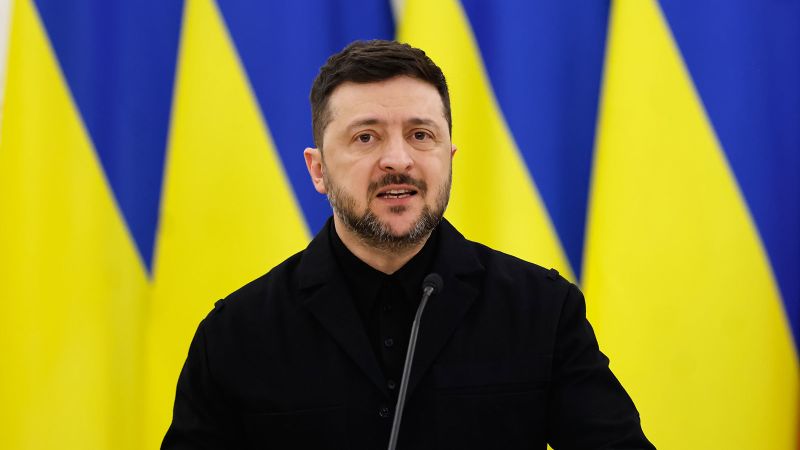
Zelensky remarked on social media, “A lot was discussed, and it is important that the conversations were constructive.” He indicated that further talks are anticipated, potentially as soon as next week, provided there is willingness to advance the dialogue. Steve Witkoff, special envoy from Donald Trump, echoed this sentiment, stating the talks were “very constructive” and that plans were made for continued discussions in Abu Dhabi.
Key Developments in Future Negotiations
Zelensky confirmed that a vital document outlining security guarantees sought by Ukraine is “100% ready.” He highlighted the importance of bilateral security guarantees from the US for Ukraine’s post-war stability. The Ukrainian president expressed his expectation that partners would soon agree on a date and location to sign the document. This agreement will require ratification by both the US Congress and the Ukrainian parliament.
The negotiations also involved a revised 20-point plan addressing critical issues such as territory, economy, and security. However, the contentious topic of territorial control remains unresolved. The eastern Ukrainian region known as the Donbas, which includes the coal-rich areas of Donetsk and Luhansk, is a significant point of contention. Kremlin spokesperson Dmitry Peskov reiterated that Ukraine must withdraw its forces from the Donbas as a precondition for any peace agreement.
Russian Deputy Foreign Minister Sergei Ryabkov emphasized the necessity of developing a plan that aligns with previous understandings between Trump and Vladimir Putin, which included provisions for Ukraine to cede control of Donetsk and Luhansk in exchange for a ceasefire. Despite this, Ukraine has consistently rejected any notion of territorial concessions.
Ongoing Military Actions and Diplomatic Tensions
As diplomatic talks unfolded, Russia continued its military operations, launching missile and drone strikes across Ukraine, including the capital city Kyiv and the second-largest city, Kharkiv. Reports indicate that at least one individual was killed and four others injured in Kyiv due to falling debris from the strikes, which also caused considerable damage to residential buildings and disrupted heating for nearly 6,000 apartments amid harsh winter conditions.
Ukrainian Foreign Minister Andrii Sybiha condemned the attacks as “barbaric” and accused Putin of cynically leveraging the peace process to solidify control over eastern Ukraine. Zelensky underscored the importance of maintaining Ukraine’s territorial integrity, stating, “We are fighting for our country – for what is ours.”
Despite pressure from the US for Ukraine to consider territorial concessions as a means to facilitate peace, Zelensky acknowledged that achieving a compromise would require willingness from all parties involved, including the American side. “These are the first steps towards finding that very compromise,” he noted, emphasizing the necessity for mutual readiness to negotiate.
As the situation evolves, the international community remains watchful of the next rounds of negotiations, with hopes that continued dialogue in Abu Dhabi may lead to a viable resolution to the ongoing conflict.