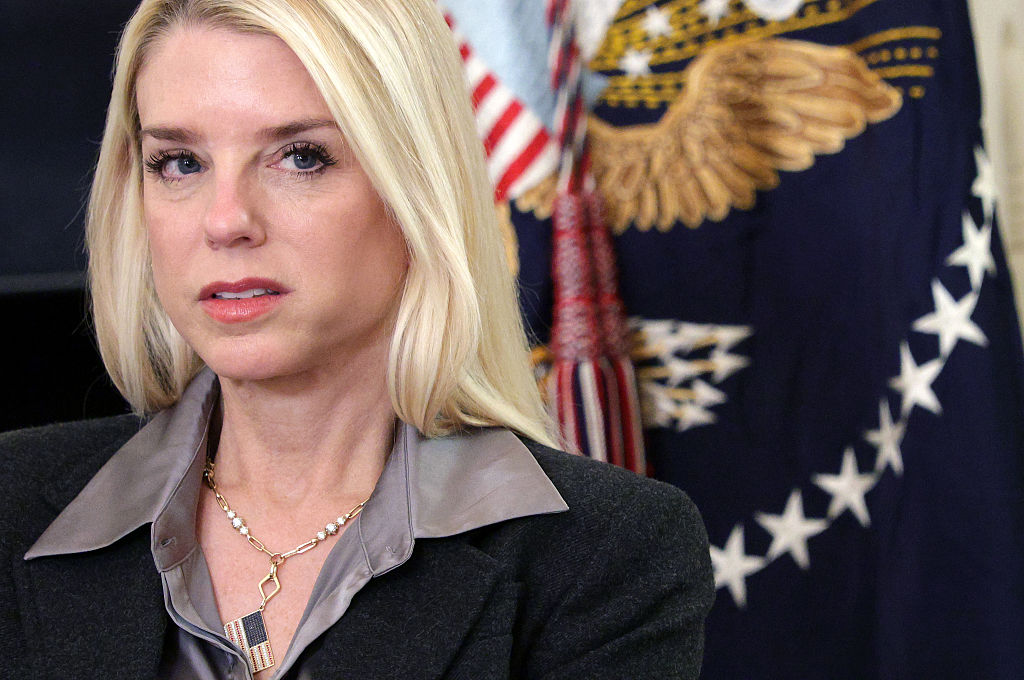
The demand for sensitive voter information from Minnesota by Attorney General Pam Bondi has raised significant concerns amid tragic events involving federal immigration enforcement. Following the recent killing of ICU nurse Alex Pretti by an immigration officer, Bondi appeared on Fox News on January 24, 2024, insisting that the state provide personal data on its residents to support claims of election fraud that lack credible evidence.
During a meeting with oil and gas executives earlier this month, President Donald Trump made a perplexing assertion regarding his electoral success in Minnesota, despite losing the state in the 2016, 2020, and 2024 elections by margins of two, seven, and four points, respectively. This context frames Bondi’s controversial demand as part of a broader strategy from the Trump administration to pursue narratives surrounding election integrity, particularly targeting states Trump lost.
In her letter to Minnesota’s Democratic Governor Tim Walz, Bondi likened her request to extortion, calling for access to millions of voter records. This demand comes in the wake of protests against the actions of Immigration and Customs Enforcement (ICE) in Minneapolis, where local officials have described federal immigration presence as a form of occupation. U.S. District Judge Katherine Menendez highlighted the troubling implications of these demands during a recent court hearing, questioning if the executive branch is attempting to achieve goals through coercive means that it cannot accomplish legally.
There is no substantiated connection between the state’s election processes and the allegations of fraud that prompted Bondi’s call for voter data. The notion that immigration enforcement actions are linked to voting rights has been met with skepticism. Steve Simon, Minnesota’s Secretary of State, emphasized the violation of privacy laws that would occur should the state comply with Bondi’s request. He described receiving the letter as “deeply disturbing,” particularly given its timing, coinciding with the second killing of an American citizen in Minneapolis by ICE agents.
The demand for voter roll information is indicative of a larger pattern within the Trump administration’s tactics. It appears to be part of a concerted effort to establish a national voter database controlled by the executive branch. Should the federal government gain access to detailed voter files, it may leverage this information to intimidate immigrant communities that are often perceived as more likely to support Democratic candidates.
The implications of this strategy extend beyond Minnesota. Reports indicate that the Trump administration has initiated lawsuits against approximately two dozen states, particularly those that Trump lost in the previous elections, seeking access to unredacted voter registration files. These files include sensitive personal information, raising alarms about privacy and civil rights violations.
In response to Bondi’s demands, Governor Walz firmly rejected the notion of acquiescing to what he termed a “ransom note.” He suggested that Bondi focus on other pressing matters, such as the ongoing investigation into Jeffrey Epstein’s files. Federal judges in California and Oregon have already dismissed similar lawsuits from the administration, with one judge warning against the unchecked consolidation of electoral power within the executive branch without legislative oversight.
The situation in Minnesota serves as a microcosm of broader national strategies aimed at influencing election integrity discussions. The intertwining of immigration enforcement with voter registration demands poses significant risks to civil liberties and electoral participation. As the November midterms approach, the actions of the Trump administration will likely continue to test the limits of federal authority and engage in tactics that many view as undermining democratic processes.
As this narrative unfolds, it remains crucial to monitor the evolving dynamics between state and federal authorities, particularly regarding issues of privacy, voter rights, and immigration enforcement. The stakes are high, and the effects of these actions could resonate far beyond Minnesota, potentially reshaping the political landscape ahead of the upcoming elections.