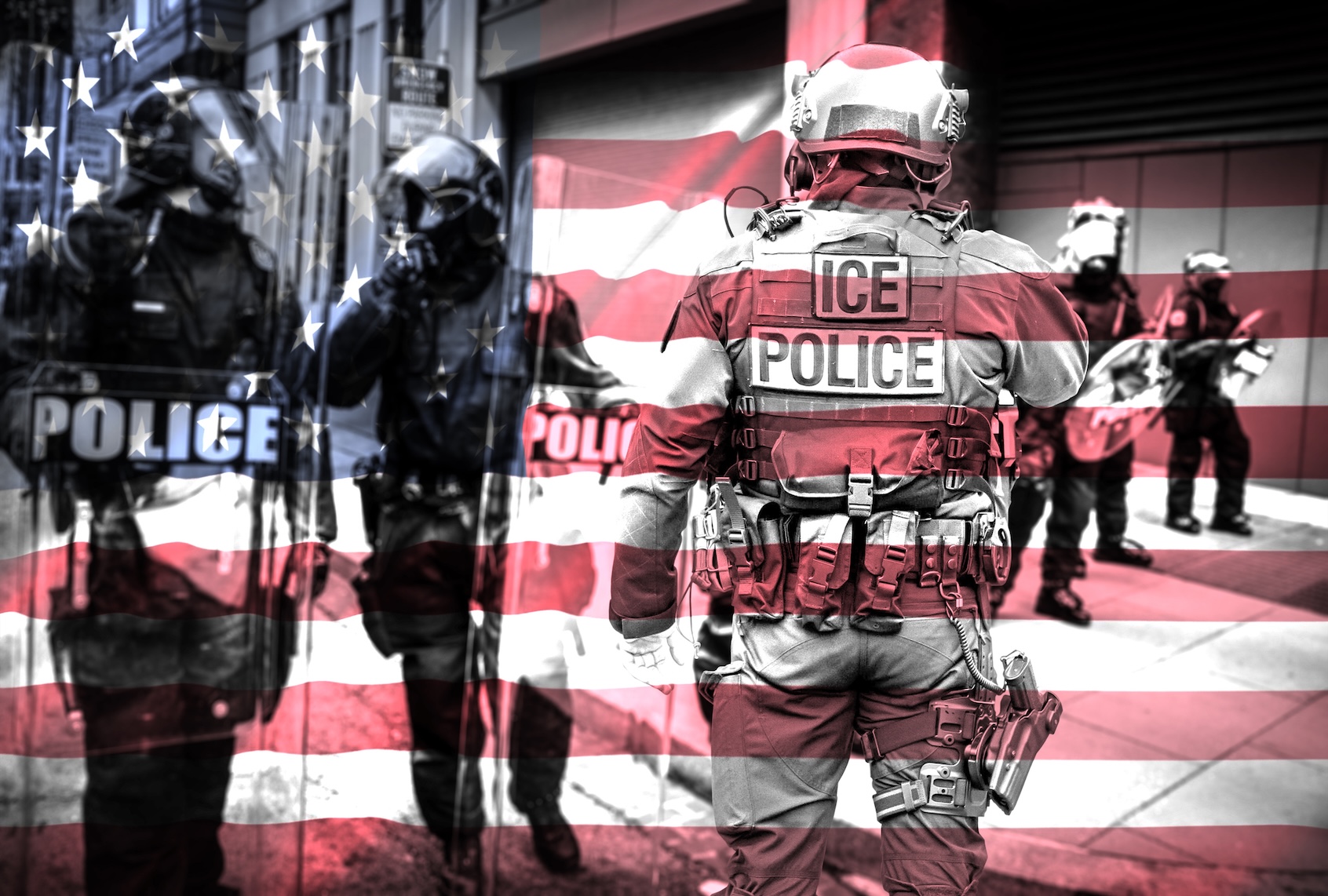
The recent killing of Alex Pretti by Border Patrol agents in Minneapolis has intensified scrutiny of U.S. immigration enforcement practices. Pretti, a 37-year-old American citizen and nurse, was shot multiple times while being restrained by agents, despite posing no threat. This incident follows troubling reports of Immigration and Customs Enforcement (ICE) agents leaving playing cards with violent histories in the vehicles of detained Latino immigrants in Colorado.
The cards, specifically ace of spades, have a notorious background linked to the Vietnam War, where they were used to symbolize death. Family members of the detained individuals discovered these cards in Eagle County, Colorado, raising serious concerns about the methods employed by ICE. A spokesperson from the Department of Homeland Security condemned this behavior as unauthorized and stated an investigation would be conducted.
Kristi Noem, the Secretary of Homeland Security, emphasized that under the Trump administration, ICE is expected to adhere to the highest professional standards. Yet, the actions taken in Colorado reflect a larger narrative of violence and intimidation that has permeated U.S. immigration policy. The escalation of such tactics coincides with a broader campaign of mass deportations initiated under the Trump administration, which has led to increased tensions across the nation.
In the wake of Pretti’s death, public outrage has surged, prompting officials, including former Presidents Barack Obama and Bill Clinton, along with current President Joe Biden, to condemn the violence. Obama and his wife Michelle described the incident as a “heartbreaking tragedy” and a warning that core American values are being threatened. Biden echoed these sentiments, stating that violence and terror have no place in the United States, particularly when perpetrated by the government against its citizens.
The narrative surrounding Pretti’s killing has been further complicated by attempts from Trump administration officials to shift blame onto him, labeling him a “domestic terrorist.” This characterization has been met with skepticism, as multiple videos of the incident contradict such claims. Observers note that this rhetoric aims to vilify those opposing the administration’s policies, further entrenching divisions in an already polarized political climate.
The events in Minneapolis are not isolated; they form part of a disturbing pattern of excessive force used against immigrants and protesters. As noted by experts, the logic of “us versus them” has increasingly characterized the approach of federal law enforcement agencies, which often act with impunity under the guise of enforcing immigration law. This culture of violence, termed “vice signaling” by philosopher Olúfẹ́mi O. Táíwò, suggests a disregard for moral standards in favor of demonstrating power and dominance over perceived enemies.
The fallout from these incidents has begun to affect the administration’s control over the immigration narrative. Public opinion polls indicate that support for Trump’s immigration policies has dropped below 50%. Gregory Bovino, the Border Patrol commander overseeing operations in Minneapolis, has been reassigned, reflecting internal pressures within the agency.
In a rare acknowledgment of the escalating situation, Trump announced plans to “de-escalate” tensions in Minneapolis, although details remain vague. Critics argue that merely replacing leadership will not address the systemic issues at play, as the underlying culture of violence persists.
The ongoing crisis presents a challenge for pro-democracy advocates and those concerned with the moral direction of the nation. As philosopher Eddie Glaude Jr. remarked, there is a pressing need for a more imaginative approach to resist the current administration’s policies. The struggles faced today are not just about the immediate tragedies but also about shaping the future of democracy in the United States.
In summary, the tragic death of Alex Pretti has shed light on the troubling tactics employed by U.S. immigration enforcement agencies. As public outrage grows, the implications for immigration policy and the culture of violence in federal law enforcement remain critical areas of concern. The path forward demands a collective effort to uphold core democratic values and resist the erosion of civil liberties.