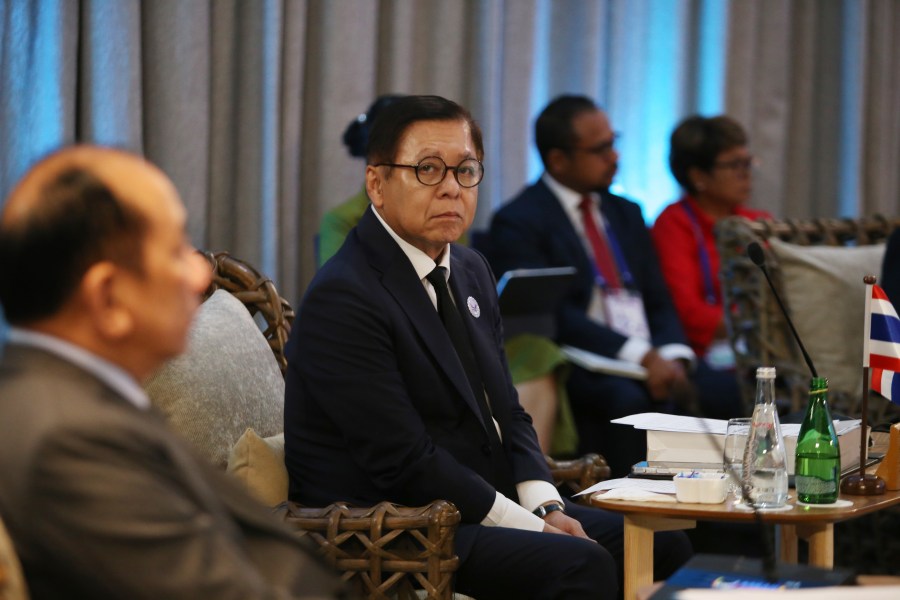
Despite the ongoing civil conflict in Myanmar, ASEAN leaders are committed to a peace plan introduced five years ago. Thailand’s Foreign Minister, Prajin Juntong, emphasized that while the initiative has not yet succeeded in halting violence, it remains a viable framework for future peace efforts. The statement was made during a press conference in Cebu, Philippines, where ASEAN representatives convened to discuss regional security and cooperation.
Context of the Civil War
The civil war in Myanmar escalated dramatically following a military coup in February 2021. The army’s seizure of power has led to widespread protests and violent crackdowns, resulting in thousands of casualties and displacing many more. According to a report from the United Nations, over 1.3 million people have been uprooted from their homes due to the ongoing conflict.
The peace plan, known as the ASEAN Five-Point Consensus, was designed to create dialogue among conflicting parties and facilitate humanitarian assistance. However, the situation on the ground has continued to deteriorate, prompting questions about the effectiveness of the proposed measures.
Future Engagement with Myanmar Leaders
Despite the setbacks, Prajin Juntong expressed optimism regarding the potential for future engagement. He noted that the upcoming elections in Myanmar could bring new leaders to the forefront, which might open avenues for dialogue. “We must be prepared to engage with whoever emerges from these elections,” he stated. This proactive approach indicates that ASEAN is willing to adapt its strategies in response to shifting political dynamics within Myanmar.
ASEAN’s commitment to the peace initiative underscores the organization’s dedication to regional stability. The bloc has faced criticism for its handling of the Myanmar crisis, with some member states advocating for a firmer stance against the military regime. Nevertheless, ASEAN continues to prioritize diplomatic channels, believing that sustained dialogue is essential for long-term peace.
As discussions progress, the international community will be closely monitoring ASEAN’s actions. The effectiveness of the peace plan will largely depend on the willingness of all parties to engage in meaningful negotiations and address the root causes of the conflict. Without a unified effort, the prospect of peace in Myanmar remains uncertain.