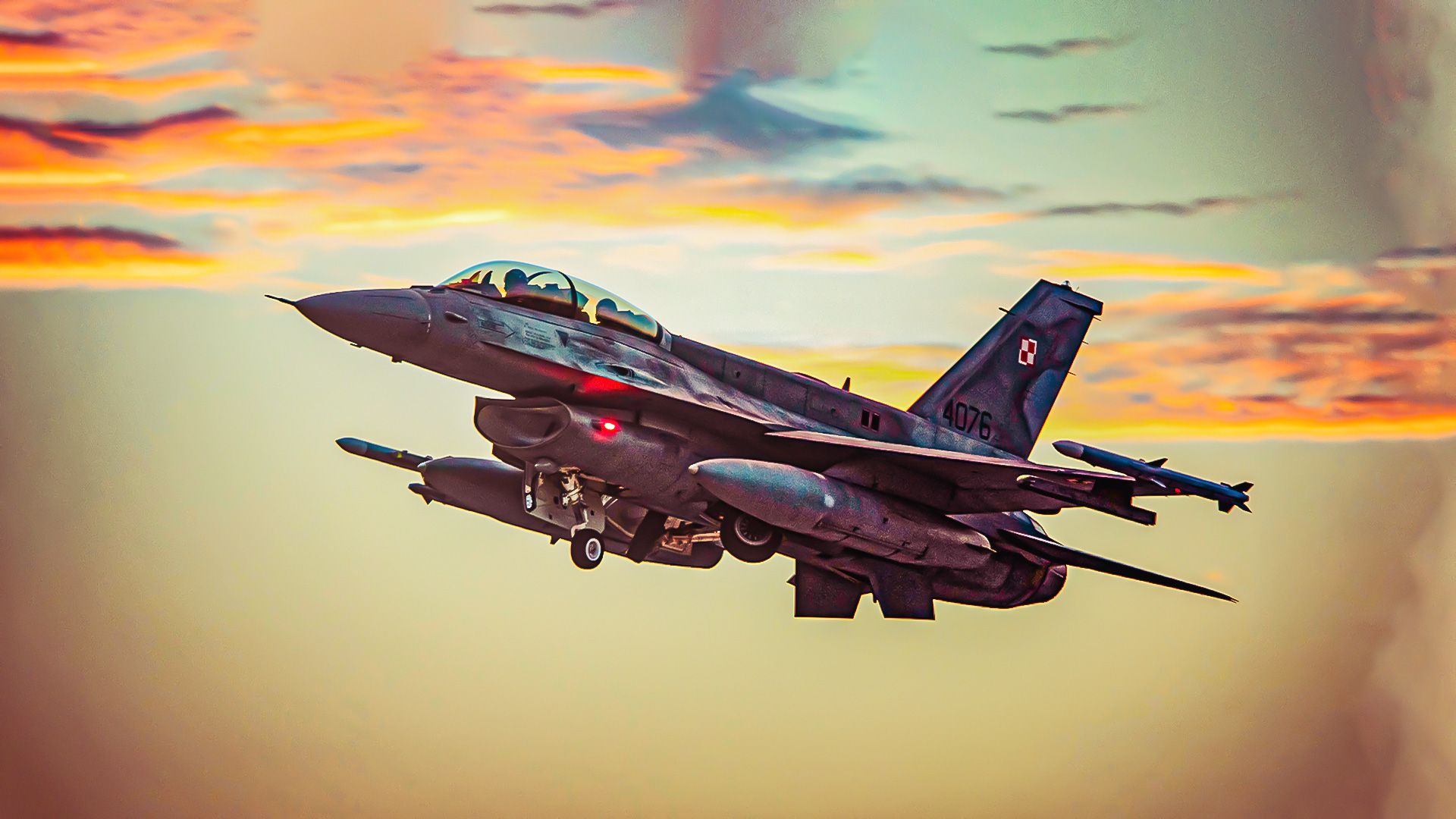
The competition between two aerospace giants, Boeing and Lockheed Martin, is intensifying as both manufacturers vie for dominance in fighter jet production. In 2023, the focus has shifted from legacy reputations to current output, particularly in the context of modern military needs involving stealth technology and advanced sensor capabilities.
Both companies have played crucial roles in shaping the landscape of modern combat aviation. Lockheed Martin’s F-35 Lightning II, known for its advanced stealth features, has secured numerous international contracts, making it a preferred choice for many air forces around the globe. In contrast, Boeing’s F-15EX Eagle II is designed to be a versatile and cost-effective addition to the U.S. Air Force, emphasizing multirole capabilities and sustainability.
Current Production Numbers and Strategies
According to the U.S. Department of Defense, Lockheed Martin has committed to producing 156 F-35 jets annually, aiming to meet the increasing demand from both domestic and international clients. This ambitious target highlights the company’s focus on maintaining a leading edge in fighter jet technology.
On the other hand, Boeing’s strategy involves enhancing the production of the F-15EX. The company has ramped up its manufacturing capabilities to deliver up to 24 F-15EX aircraft per year. While this figure is significantly lower than Lockheed Martin’s F-35 output, it is important to consider Boeing’s approach to modernization and upgrades for existing fleets, which could influence future demand.
While both companies face challenges in supply chain management and workforce training, Lockheed Martin’s broader international sales and established production lines currently give it an advantage in the sheer number of fighter jets produced. The emphasis on stealth and advanced technology in the F-35 may justify the higher production rates.
Market Dynamics and Future Outlook
The rivalry between Boeing and Lockheed Martin is not merely about numbers; it reflects broader market dynamics and future military strategies. As nations invest in upgrading their air forces, the demand for advanced fighter jets is likely to grow.
Lockheed Martin’s ability to secure contracts from numerous countries, including Israel, Japan, and Norway, positions it favorably. In contrast, Boeing’s focus on the F-15EX could appeal to nations looking for a reliable, less costly alternative to the F-35.
The ongoing competition raises questions about the implications for military readiness and technological advancement. As these two manufacturers continue to innovate and adapt to changing defense requirements, the ultimate winner may not just be the company that produces more jets but the one that aligns its offerings with the strategic needs of modern air forces.
In conclusion, while both Boeing and Lockheed Martin are significant players in the fighter jet market, Lockheed Martin currently leads in production numbers. However, Boeing’s strategic focus on upgrading existing platforms could reshape the landscape in the coming years, making this rivalry one to watch closely.