UPDATE: South Dakota lawmakers have introduced at least 28 bills aimed at addressing the urgent issue of rising property taxes this legislative session. With discussions already underway, the session, which began earlier this month, is set to continue until March 2024, and more proposals are expected to emerge.
The surge in property tax proposals follows a 70% increase in taxes paid by homeowners over the past decade, pressuring elected officials to take decisive action. Notably, Gov. Larry Rhoden supports a bill allowing counties to implement a 0.5% sales tax specifically for property tax relief. This comes as Democratic leaders signal their intent to introduce their own solutions soon.
Senate Assistant Majority Leader Carl Perry likened the challenge of achieving effective tax relief to a game of Whack-A-Mole, emphasizing that reaching consensus among lawmakers will not be easy. “It’s going to be tough to get things exactly right, but we’re going to work at it,” Perry stated.
Currently, the state government does not rely on property tax revenue, instead depending on sales taxes. However, counties and schools are heavily dependent on property taxes, leading to a critical need for reform. In a notable proposal, U.S. Rep. Dusty Johnson suggested using funds from a scheduled increase in the state sales tax to mitigate property tax burdens.
In a bold move, Senate President Pro Tempore Chris Karr proposed legislation to maintain the state sales tax rate at 4.2%, arguing that raising it would exacerbate the financial strain on taxpayers already grappling with high property taxes. “No matter how bad we want property tax relief, that’s not right,” Karr said, critiquing plans that would shift the tax burden onto non-property owners.
Lawmakers are also examining the effects of last year’s property tax relief legislation, which capped residential assessment growth and exempted certain home improvements. However, concerns about the limitations of these measures have surfaced, particularly from local government representatives.
During a Senate Taxation Committee hearing, Heath VonEye, deputy city administrator for Harrisburg, warned that restrictive caps on new construction could hinder community growth, potentially costing Harrisburg nearly $3 million in revenue by 2031. He emphasized that this could lead to increased costs for essential services being pushed onto existing homeowners.
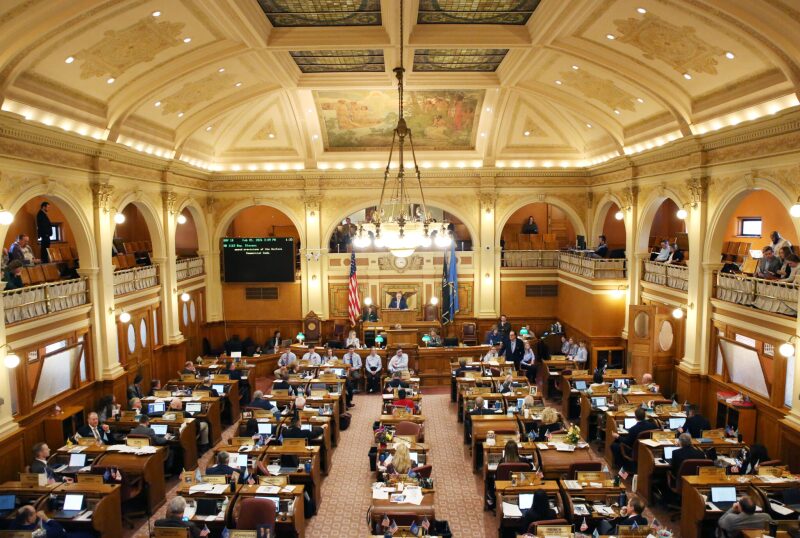
As the legislative session progresses, several key bills are making their way through the system. These include Senate Bill 85, which mandates elections for schools to exceed property tax limits, and Senate Bill 118, which would direct at least $100 million annually from state sales tax revenue toward a homeowner tax rebate program.
Other significant proposals include creating a new property tax relief fund and increasing the property valuation limit for veterans and surviving spouses. Meanwhile, some bills have already failed, such as Senate Bill 99, which aimed to transition education funding from property taxes to sales taxes.
The urgency of these discussions cannot be overstated, as property taxes continue to rise, impacting homeowners and local communities alike. Lawmakers are under pressure to find viable solutions that address the needs of South Dakota residents while ensuring fair taxation practices.
As the session unfolds, South Dakota residents are urged to stay informed on these developments, as the decisions made in the coming weeks could significantly alter the financial landscape for many. The focus remains squarely on delivering effective property tax relief in a timely manner.