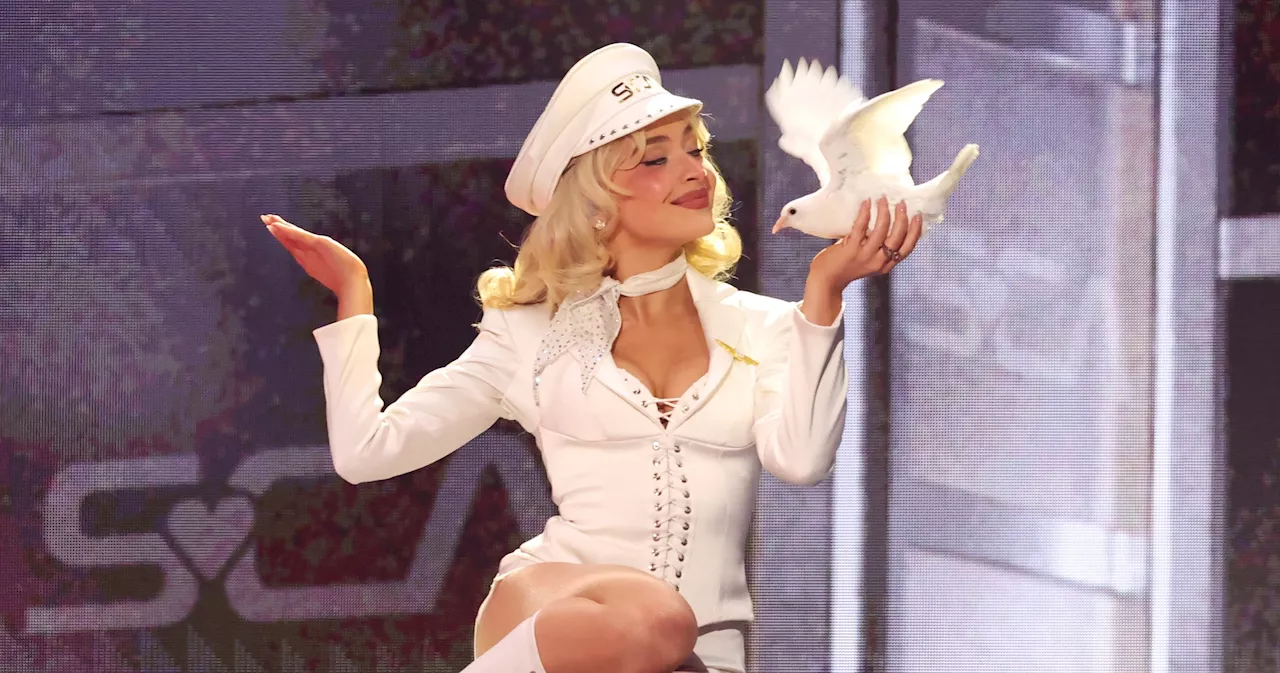
Sabrina Carpenter faced backlash from the animal rights organization PETA following her performance at the 2026 Grammy Awards in Los Angeles. The criticism arose after Carpenter, 26, incorporated a live dove into her act while performing her song “Manchild” on February 1. The performance took place at the Crypto.com Arena, where Carpenter held the bird in her hands amid a lively backdrop designed to resemble an airport.
PETA’s response was swift and pointed. The organization took to social media, stating, “Hey Sabrina, bringing a live bird onto the Grammys stage is stupid, slow, useless … and cruel!” They further emphasized the distress such an environment could cause to a bird, noting that the bright lights and loud noises are not conducive to the well-being of such animals. PETA’s post included an image of Carpenter with the dove, calling for artists to refrain from using animals in their performances.
The dove made its appearance towards the end of Carpenter’s act, which featured an airplane-themed staging. As Carpenter’s performance concluded, the bird was seen flapping in her grasp, prompting PETA to express further concern about the appropriateness of using live animals in entertainment settings.
PETA representatives were also present at the Grammy Awards, where they staged a separate demonstration involving a “walking, talking robo-chicken” that provided vegan food samples to attendees, including notable figures like Reba McEntire and Sheryl Lee Ralph. This initiative aimed to promote veganism and raise awareness about animal cruelty during one of music’s most prominent events.
This is not the first time Carpenter has faced scrutiny regarding her artistic choices. Her album, Man’s Best Friend, released in August 2025, received mixed reactions for its content and imagery. The lyrics of “Manchild,” particularly the use of the word “slow,” were criticized by some as ableist. Social media users pointed out that the term has historically negative connotations for people with disabilities, sparking discussions about language and inclusivity.
Carpenter has not publicly addressed the criticisms surrounding her song or its lyrics. Additionally, the album cover featuring Carpenter in a controversial pose drew further backlash, with some accusing her of promoting domestic violence. Critics expressed concern over the implications of such imagery, particularly in light of ongoing issues surrounding abuse.
In an interview with Interview magazine last September, Carpenter reflected on the criticisms of her work. “You can be sure that anything I do and say has a little bit of a wink to it,” she explained, emphasizing her intent to create art that resonates personally with her. She acknowledged the reactions to her work but maintained that the creative process is driven by her own artistic vision rather than external expectations.
The incident at the Grammy Awards highlights the ongoing debate over the use of animals in entertainment and the responsibility of artists to consider the implications of their performances. As public awareness around animal rights continues to grow, the discussions sparked by Carpenter’s performance will likely remain a topic of conversation among fans and critics alike.