UPDATE: Amazon has just announced a significant layoff of 3,339 jobs across its Fresh-branded grocery and Amazon Go stores in Southern California, set to begin on April 28. This decision follows the company’s recent plans to close its grab-and-go grocery and gadget stores, revealing a major shift in its retail strategy.
The layoffs will impact various locations, with a staggering 1,569 jobs affected in Los Angeles County, 738 in Orange County, 379 in San Bernardino County, 332 in Riverside County, 182 in San Diego County, and 139 in Ventura County. Employees in roles such as cashiers, managers, and food production associates will be among those let go.
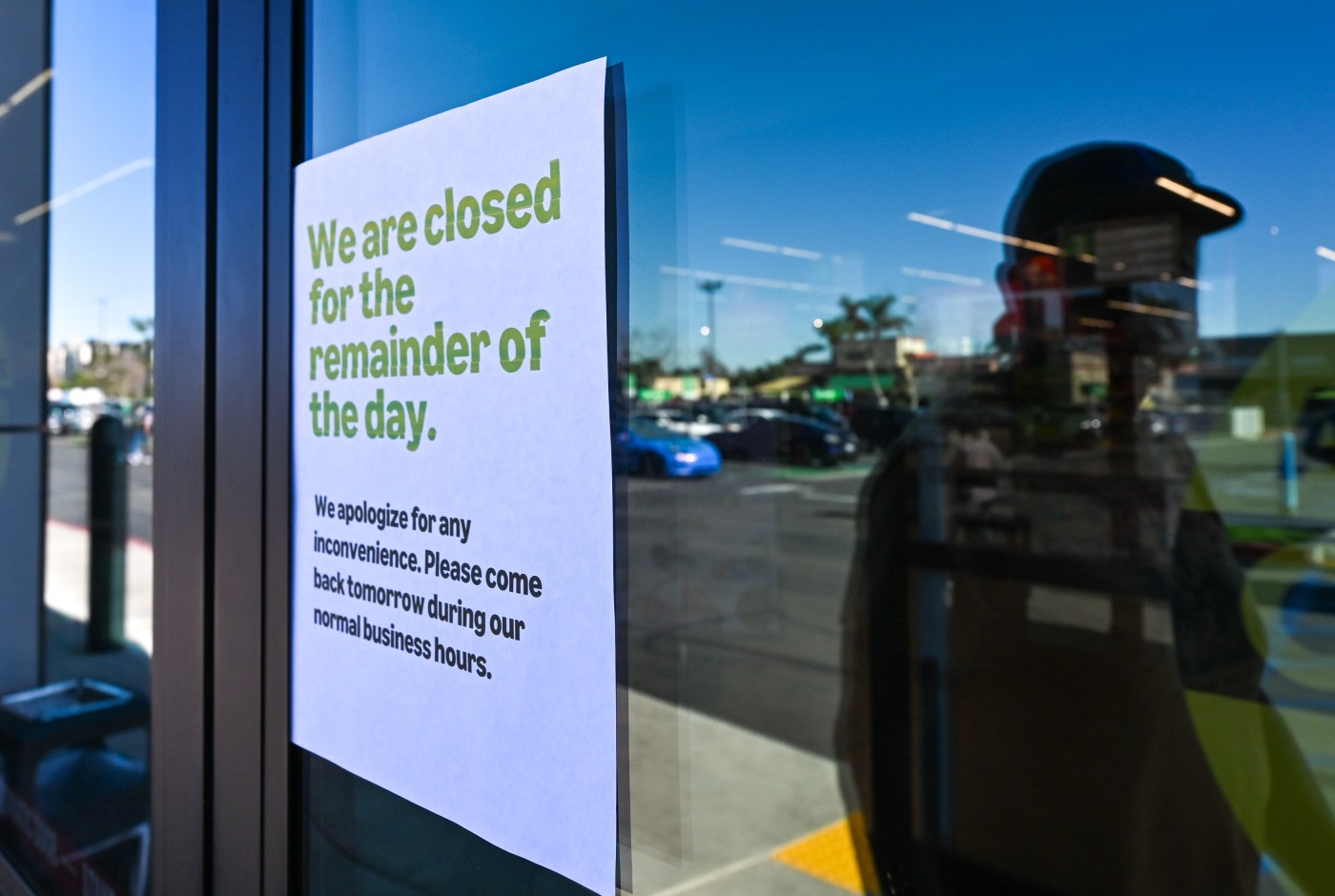
According to a letter filed by Vani Appukkutty, a senior manager in Amazon’s human resources department, the layoffs are a direct result of ceasing “public-facing operations” at the Fresh stores by March 13. “Employee separations resulting from this action are expected to be permanent,” the letter stated, highlighting the urgency and finality of these job cuts.
Amazon’s decision comes after the e-commerce giant confirmed on January 27 that it would close its five-year-old Fresh-branded grocery stores and its automated Amazon Go markets. The company has expressed challenges in creating a distinctive customer experience that meets the economic model needed for large-scale expansion.
“While we’ve seen encouraging signals in our Amazon-branded physical grocery stores, we haven’t yet created a truly distinctive customer experience,” Amazon noted in a blog post.
In an effort to adapt, Amazon plans to convert some of the affected locations into Whole Foods Markets. The company has announced intentions to open at least 100 Whole Foods stores over the next few years, aiming to expand its retail footprint.
Amazon is not new to workforce reductions; it previously laid off 16,000 corporate roles in January and cut 27,000 jobs in 2023, marking its most significant layoffs in recent history. The company is focusing on using generative artificial intelligence to streamline operations and reduce its workforce, which expanded during the pandemic.
Beth Galetti, a senior vice president at Amazon, emphasized in a recent blog post that the company is “reducing layers, increasing ownership, and removing bureaucracy” to enhance operational efficiency.
The layoffs are being conducted under the federal Worker Adjustment and Retraining Notification Act (WARN), which requires employers to notify affected employees at least 60 days before termination. As part of their support, Amazon is offering assistance to help employees find new positions within the company, including at Whole Foods and in its logistics network.
The impact of these job cuts is widespread, especially in areas already facing economic challenges. As the company continues its restructuring efforts, many are left wondering about the future of retail employment in Southern California.
Moving forward, all eyes will be on how Amazon implements these changes and what this means for the local economy and job market. With the closures and layoffs confirmed, affected employees and communities are bracing for profound changes in their economic landscapes.