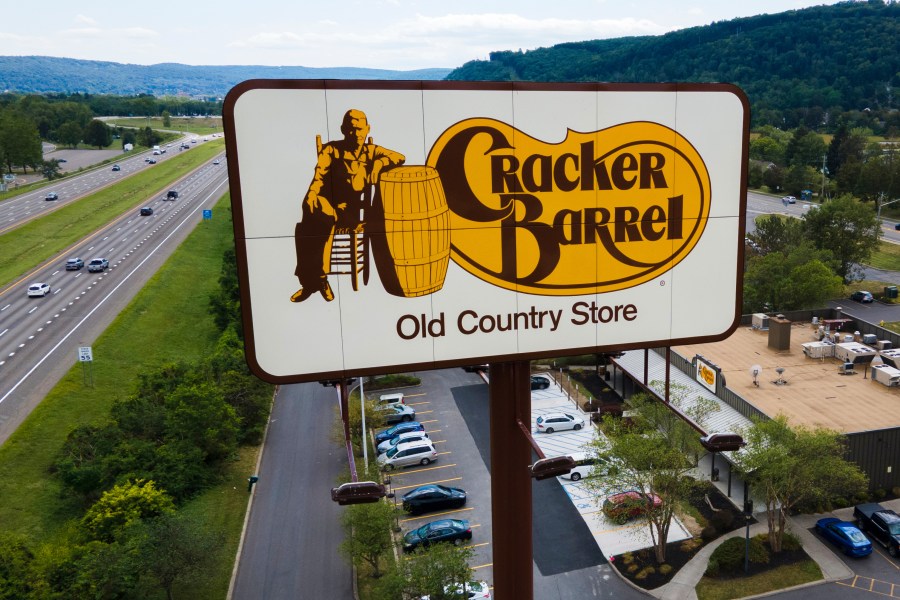
Cracker Barrel has introduced a new policy requiring employees to dine exclusively at its restaurants during work trips. According to an internal message shared with staff, employees must consume “all or the majority of” their meals at company-owned establishments, which is contingent upon their specific location and work schedule.
This directive aims to promote the brand while also ensuring that employees are familiar with the menu offerings. The requirement is part of a broader strategy to enhance customer service by encouraging staff to experience the food and ambiance of Cracker Barrel locations firsthand.
Understanding the Policy’s Implications
The decision has sparked discussions among employees and industry observers regarding its implications. Some employees view this mandate as a positive opportunity to immerse themselves in their work environment, while others express concerns about the limitations it imposes on their meal choices during travel.
Cracker Barrel has not publicly disclosed the specific locations affected by this policy, nor how it will be enforced. Employees are encouraged to provide feedback on their experiences, which the company may use to evaluate the effectiveness of the initiative.
The policy reflects a growing trend among companies in the hospitality sector to maintain brand consistency and employee engagement. By ensuring that employees eat at their own restaurants, Cracker Barrel aims to foster a deeper connection between staff and the brand, ultimately enhancing customer interactions.
Potential Reactions and Future Considerations
While the initiative is designed to strengthen brand loyalty, it may also lead to discussions about employee rights and personal preferences. Some employees have raised questions about the practicality of the policy, especially when considering dietary restrictions or personal tastes.
This move follows a series of similar policies implemented by other hospitality firms, which have sought to reinforce their brand identity and ensure that staff can effectively communicate the dining experience to customers. Whether Cracker Barrel’s policy will lead to increased employee satisfaction and improved customer service remains to be seen.
As Cracker Barrel navigates this new approach, it will be essential to monitor employee feedback and adapt as necessary. The company’s commitment to its brand identity and employee engagement will likely play a crucial role in how this policy is received in the long term.
In conclusion, Cracker Barrel’s requirement for employees to dine at its restaurants during work trips is a notable development in the hospitality industry. While the intent is to foster brand loyalty and enhance customer service, the actual impact on employee experience will be vital for the company’s future success.