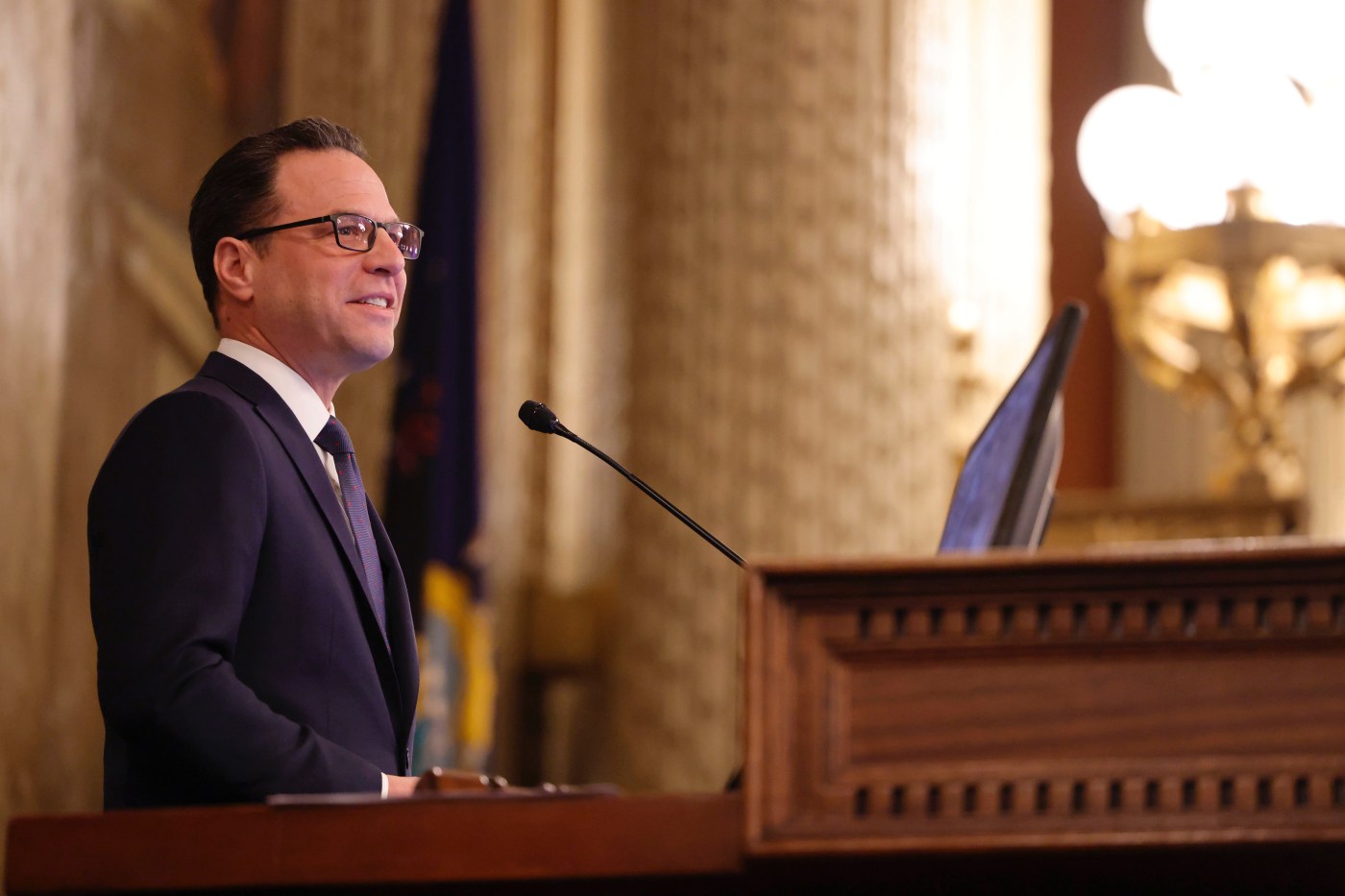
Governor Josh Shapiro has presented a comprehensive budget proposal totaling $53.2 billion to the Pennsylvania Legislature, advocating for significant investments in education, public transit, and wage increases. This proposal, which includes a 5% increase in state spending, calls for enhanced funding directed towards the state’s most disadvantaged schools and struggling transit systems.
In his address at the state Capitol in Harrisburg, Shapiro urged lawmakers to consider new revenue sources to support his ambitious spending plan. He proposed taxing and regulating skill-based games similar to slot machines, legalizing recreational marijuana, and closing a corporate tax loophole that allows large companies to minimize their tax liabilities in Pennsylvania. These measures aim to address a persistent structural deficit while providing vital resources for various social programs.
Shapiro’s budget blueprint comes just four months after the Pennsylvania Legislature concluded a prolonged 135-day budget stalemate. He emphasized the lessons learned from last year’s delays, stating, “We all recognize it took too long last year, and that had real impacts on Pennsylvanians.” This year’s negotiations are set to commence in earnest ahead of the June 30 deadline, with a meeting of all four legislative caucus leaders planned for the following day.
A significant portion of the proposed new spending—approximately $4.6 billion—is earmarked for the state’s human services budget. This funding will support health care, food assistance for low-income individuals, and services for victims of domestic violence and homelessness. The budget also proposes an additional $565 million for school districts facing funding inadequacies and $300 million to bolster public transit agencies starting in 2027.
In addition to these educational and transit investments, Shapiro seeks to allocate $100 million from the state’s rainy day fund to establish a “federal response fund.” This fund aims to address potential challenges stemming from federal government actions or inactions. Furthermore, he proposed creating a $100 million state innovation fund to support venture capital firms and university research, financed through the sale of tax credits to insurance companies.
Shapiro reiterated his commitment to raising the minimum wage, which has remained at $7.25 per hour since 2006, aligning it with the federal level. His proposals also extend to housing, where he aims to implement measures such as capping rent increases for manufactured home lots and sealing eviction records.
Another key aspect of his plan is to regulate data centers and stimulate economic growth by revising existing tax credits or initiating a new billion-dollar debt-backed program for critical infrastructure investments, particularly in energy sectors. Additionally, in response to calls for action from survivors of childhood sexual abuse, Shapiro has urged lawmakers to introduce legislation allowing adult victims to file lawsuits.
As the budget negotiations unfold, it remains to be seen how lawmakers will respond to Shapiro’s proposals, especially in light of previous rejections of similar initiatives. The Governor’s budget pitch marks a significant step toward addressing urgent needs within the state and establishing a financial framework for the coming fiscal year.