URGENT UPDATE: Rochester Public Schools is moving forward with a groundbreaking proposal that could eliminate primary elections for school board positions, allowing all candidates to participate directly in the general election this November. The School Board discussed this significant change on February 3, 2024, and will cast a vote on the matter at their next meeting.
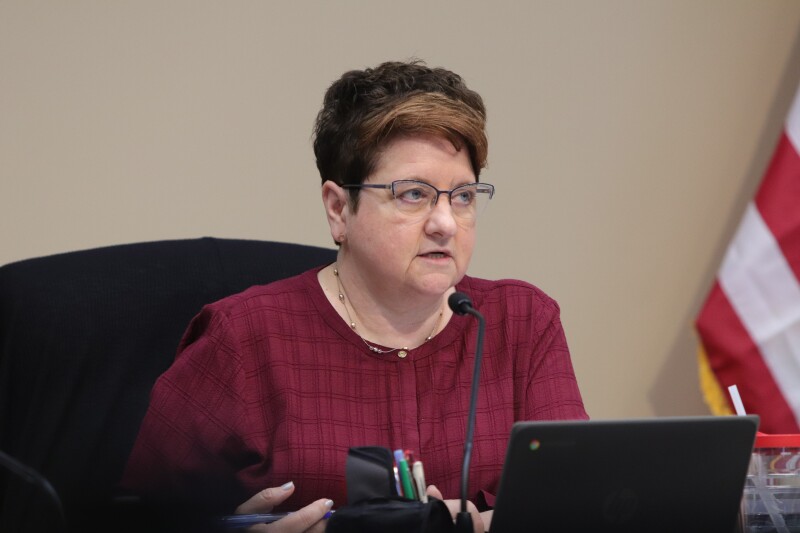
Cathy Nathan, Board Chairwoman, emphasized the clarity this change would bring to voters: “Having a general election without a primary would bring consistency to school board elections.” She added that the goal is to make it clear that all school board elections will occur during the November general election, simplifying the process for both candidates and voters.
Currently, candidates for the Rochester School Board run for specific seats on the seven-member governing body. Since 2010, the district has held a primary election if there are more than two candidates for any seat. Nathan highlighted that eliminating this step could save costs associated with hosting primaries and reduce the burden on candidates who currently have to campaign for both the primary and the general elections.
Notably, Rochester is among only seven out of over 300 school districts in the state that still conduct primary elections. This proposed change is more than procedural; it aims to enhance voter participation and streamline the electoral process.
Board member Justin Cook voiced his support for the proposal but also expressed a desire to advocate for a complete reevaluation of the current election system. Rochester employs an “alley” system, where candidates select which specific seat to run for, rather than competing collectively for the highest number of votes. Cook described this system as “incredibly confusing” and “not good for democracy,” suggesting it encourages gamesmanship rather than transparent electoral practices.
If approved, the shift to a primary-less election model could have substantial implications for how school board candidates position themselves and engage with the community. The board is expected to decide on this urgent matter soon, making it vital for residents to stay informed.
As this proposal develops, the impact on community engagement and election dynamics could be transformative, potentially serving as a model for other districts facing similar challenges. Stay tuned for updates as Rochester Public Schools continues to navigate this critical decision.