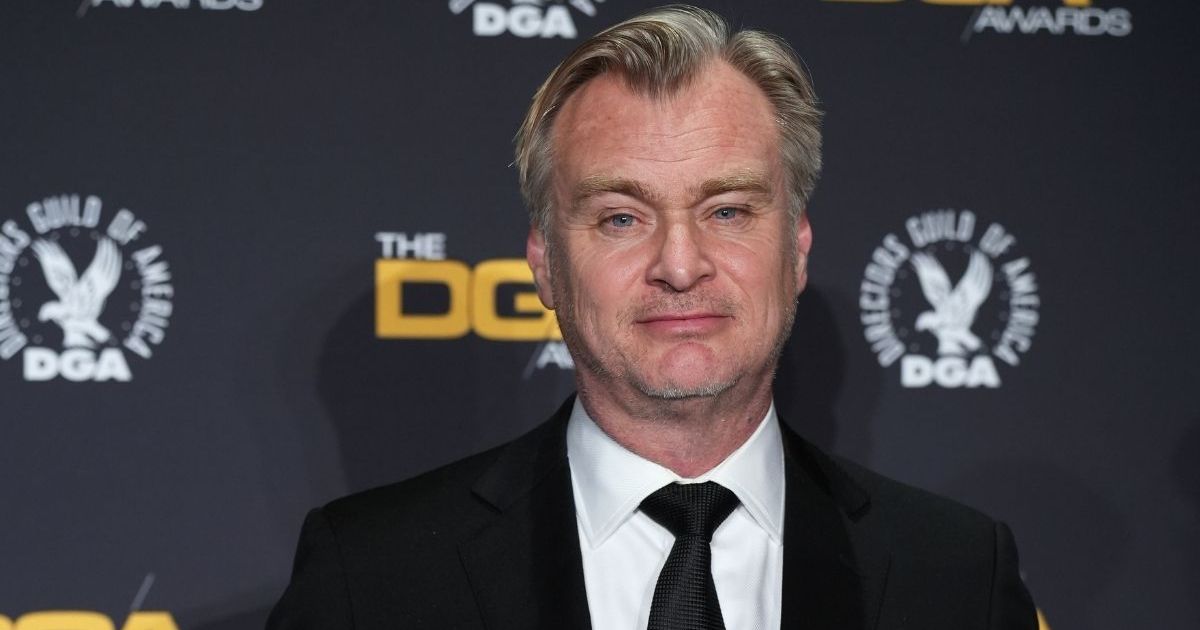
Christopher Nolan has expressed significant concerns regarding the integration of artificial intelligence (AI) in the film industry, particularly in light of Disney’s recent collaboration with OpenAI. While the acclaimed director is not entirely opposed to the use of AI, he emphasizes the necessity for filmmakers to maintain a voice in its application.
In an interview with Deadline, Nolan acknowledged that while protective measures for filmmakers against AI have been implemented, they do not provide complete security. “We have excellent protections, but that’s not enough,” he stated. He emphasized the importance of having a say in how AI is utilized, especially considering that many directors do not hold the copyright to their works. “You have to have a voice in how this tool is used moving forward,” he added.
Nolan highlighted the financial implications for filmmakers, noting that their income and residuals heavily depend on the monetization of copyrights. “We’re constantly in dialogue with the companies about whether they’re maximizing the value of the work that we’ve created,” he explained.
Despite his reservations about AI, Nolan acknowledged some potential benefits, pointing to Disney’s partnership with OpenAI as a positive development in terms of establishing licensing principles. “I see that as a positive,” he remarked, but he remains cautious about how these arrangements will financially benefit union members in the industry.
Transforming Advertising in Streaming Services
Another significant issue Nolan raised involves the shift of streaming services towards ad-supported models. He noted that AI is increasingly being used to determine the timing and placement of advertisements during film streams. “It might seem like a simple business decision, but it has creative rights impacts, huge ones,” he stated, underlining the potential ramifications for filmmakers and audiences alike.
As the newly-elected President of the Directors Guild Foundation, Nolan stressed the importance of establishing a legal framework to regulate companies like OpenAI. He emphasized the need for creatives to have a voice in ensuring that their artistic dedication is respected amidst the evolving landscape of film distribution. “If they’re becoming distribution platforms, how will they manipulate? How can we have a voice in ensuring the things that we’re passionately dedicated to on the creative side?”
Nolan’s remarks underscore a growing concern within the film industry about the implications of AI and the need for a balanced approach that protects the rights and interests of filmmakers while exploring the benefits that technology can offer. As the conversation continues, the industry awaits clarity on how these developments will unfold and who will ultimately benefit.