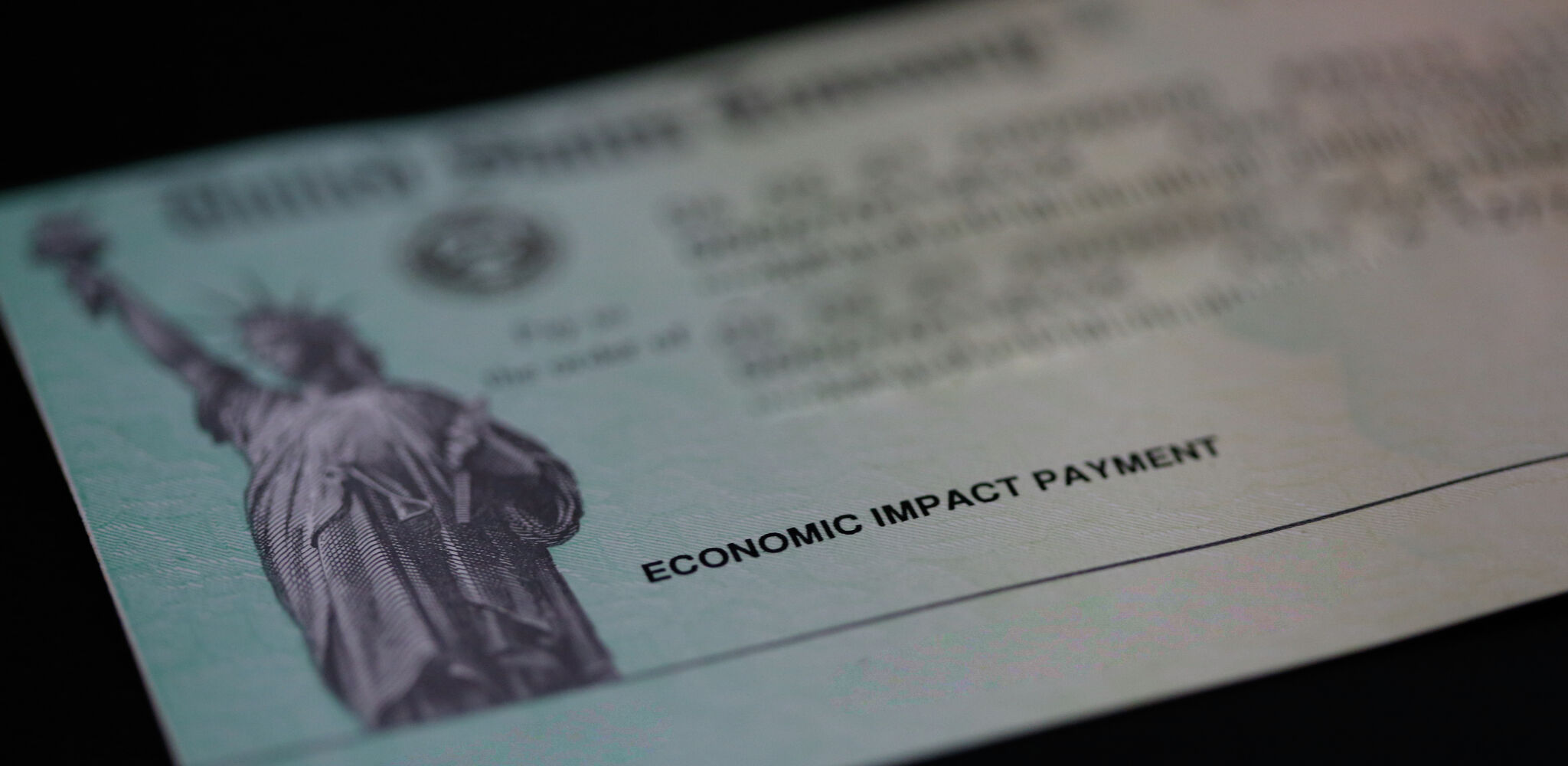
In a recent interview, President Donald Trump expressed interest in sending $2,000 stimulus checks to Americans, potentially funded by revenue from tariffs. This discussion took place during an episode of NBC Nightly News that aired on Thursday. Trump has previously hinted at this initiative, suggesting that checks could be issued “toward the end of the year,” a timeframe he indicated during a January 11, 2025, interview with The New York Times.
Trump reiterated his position during a Cabinet meeting, outlining plans to distribute tariff revenue as payments to citizens starting in 2026. “Next year is projected to be the largest tax refund season ever, and we’re going to be giving back refunds out of the tariffs, as we have taken in literally trillions of dollars,” he stated in 2025. This proposal marks a notable shift in his economic strategy since returning to office.
During the interview with Tom Llamas, Trump was pressed on the viability of these checks, prompting him to acknowledge, “I’m looking at it very seriously. I’m the only one who can do it because I’m taking in hundreds of billions of dollars.” He later confirmed the possibility of the checks, stating, “Oh yeah, sure. I can do that. I haven’t made the commitment yet, but I may make the commitment.”
Legislative Process and Challenges Ahead
For Americans to receive any new stimulus payment, a formal legislative process is necessary. Currently, there is no guarantee that Congress would approve such measures. In a December 21, 2025, interview with CBS News, White House economic adviser Kevin Hassett stated that while stimulus checks remain a possibility for 2026, they would require congressional approval. Hassett noted that tariff revenue is just one potential funding source, emphasizing that Congress ultimately dictates how federal revenue is allocated through the appropriations process.
There has been speculation regarding a stimulus check issuance in February; however, no official announcement or legislative action has been confirmed. Additionally, plans for tariff-funded checks could face significant obstacles if the Supreme Court rules against some of Trump’s tariffs. During oral arguments on November 5, justices expressed concerns over the extent of the president’s authority in imposing certain tariffs.
Previous Proposals and Future Implications
Trump’s discussions about stimulus checks are not new. In 2025, he suggested the possibility of sending taxpayers a $5,000 check, funded by savings from the Department of Government Efficiency. At the FII Priority Summit in Miami, he proposed a concept where 20% of the DOGE savings would be returned to American citizens. However, this proposal has since stalled and is no longer under consideration.
Meanwhile, lawmakers have introduced the American Worker Rebate Act of 2025, proposed by Senator Josh Hawley of Missouri. This act aims to distribute tariff rebate checks of at least $600 per person, potentially reaching up to $2,400 for a family of four. However, this bill has not advanced in Congress.
As discussions continue, the possibility of stimulus checks remains uncertain, hinging on the political climate and legislative actions in the coming months. The implications of such measures could significantly impact American households, especially as the country navigates its economic recovery.