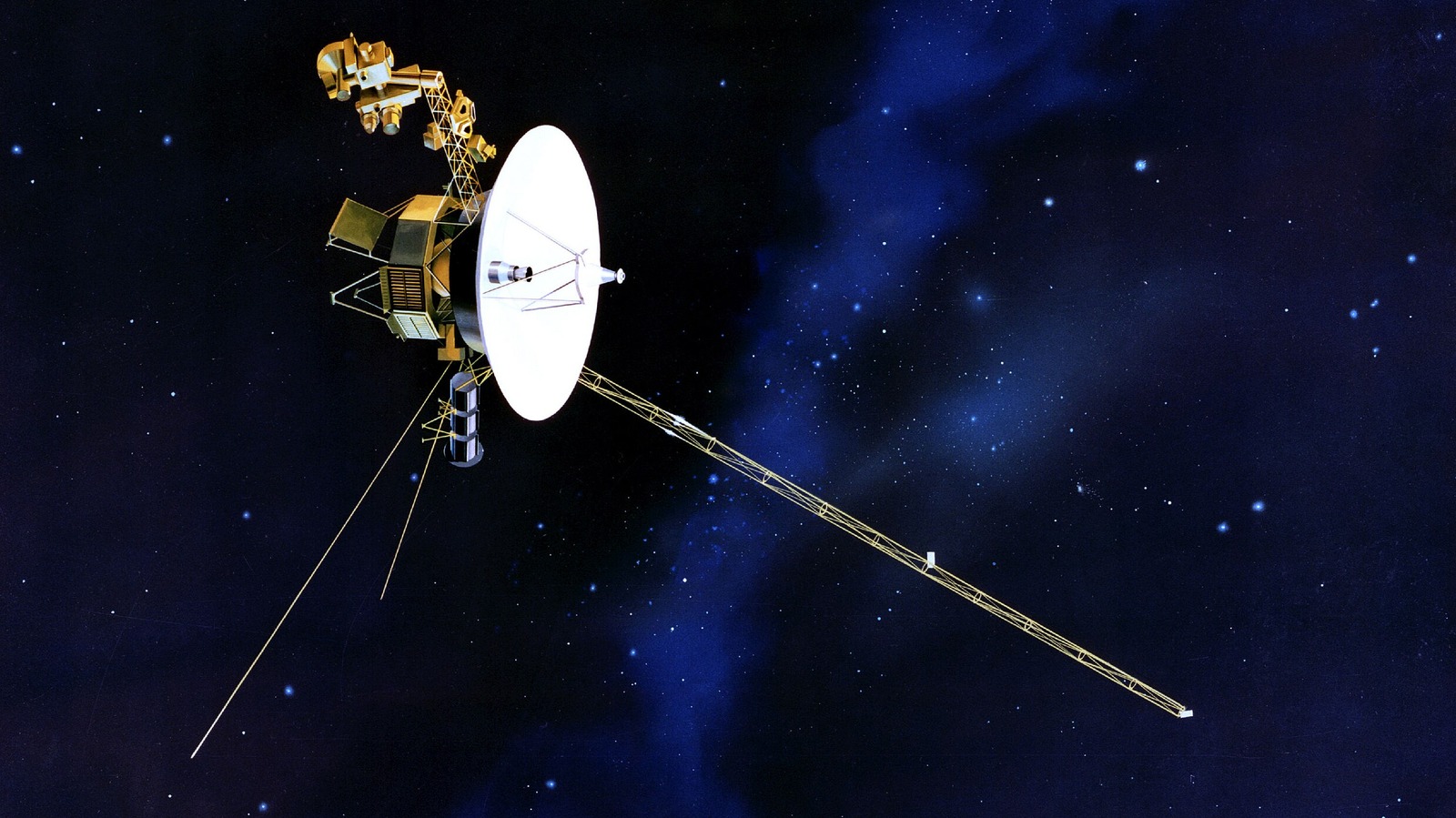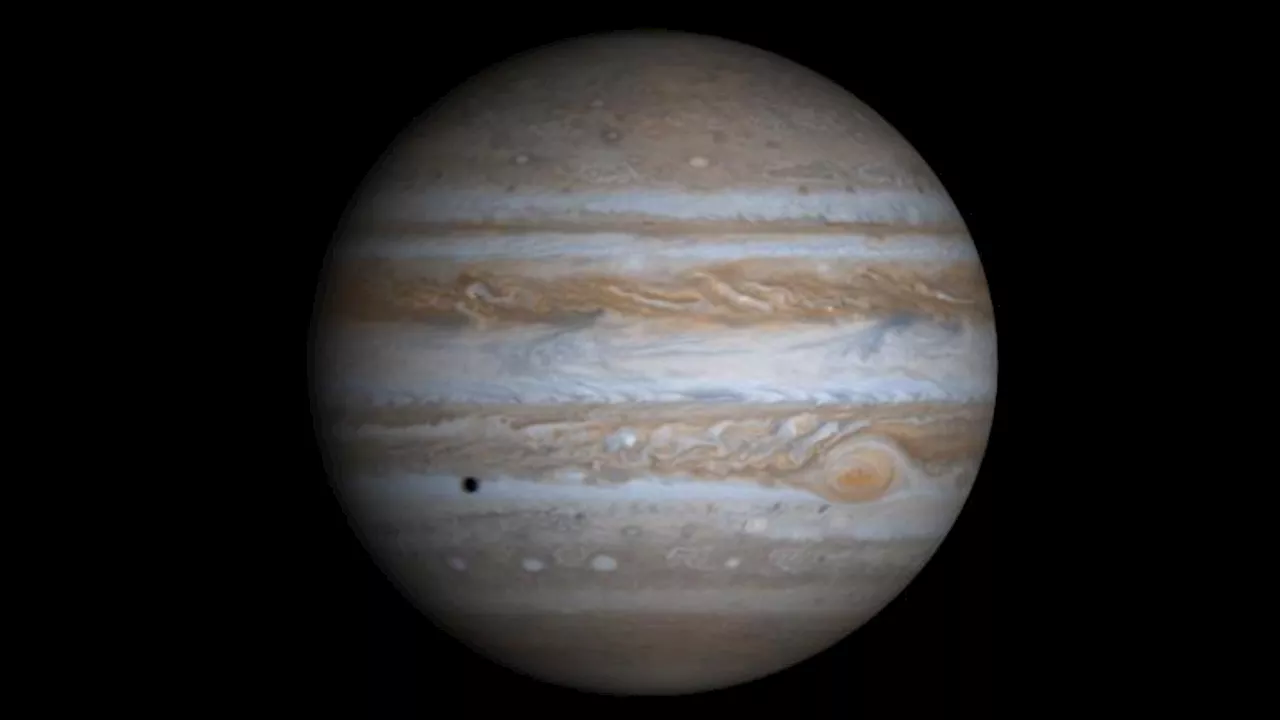
NASA’s Juno mission has provided groundbreaking insights into the dimensions of Jupiter, revealing that the gas giant is smaller and flatter than previously estimated. New measurements indicate that Jupiter’s equatorial radius is approximately 5 miles less than earlier calculations, while its polar diameter is around 15 miles shorter. These findings challenge long-held beliefs about the largest planet in our solar system.
The data comes from Juno’s innovative technique known as radio occultation, which analyzes how radio signals are affected as they travel through a planet’s atmosphere. During numerous flybys, Juno transmitted radio waves to Earth while passing behind Jupiter. The signals’ changes in speed and direction provided critical information about the planet’s temperature, atmospheric pressure, and overall structure.
This updated understanding of Jupiter’s equatorial radius and polar flattening highlights the effects of the planet’s rapid rotation, completing a full spin in less than 10 hours. Such rotation causes the planet to take on a more oblate shape, confirming that it is more noticeably squashed than earlier models suggested. NASA emphasizes that accurately defining Jupiter’s shape is essential for understanding its massive gravitational field, energy dynamics within its atmosphere, and the conditions beneath its swirling clouds.
Implications for Planetary Science
The implications of these findings extend beyond Jupiter itself. As a reference point for studying other gas giants and distant exoplanets, even slight adjustments to Jupiter’s dimensions can significantly enhance scientists’ interpretations of various planetary observations. These advancements contribute to our broader understanding of planetary formation and behavior across the universe.
Juno, which has been orbiting Jupiter since July 4, 2016, has provided invaluable insights into the planet’s magnetic field, atmospheric jets, and interior characteristics. The mission continues to challenge and refine our understanding of this complex gas giant.
As research progresses, the need to update educational materials and scientific texts becomes apparent. According to Anna Azallion, a noted astronomy writer, “Textbooks will need to be updated as our understanding of Jupiter evolves.”
These revelations serve to remind us that while the planet itself remains unchanged, our comprehension of its nature is continuously developing. NASA’s ongoing efforts through the Juno mission highlight the importance of space exploration in expanding our knowledge of the cosmos and refining the models that describe it.