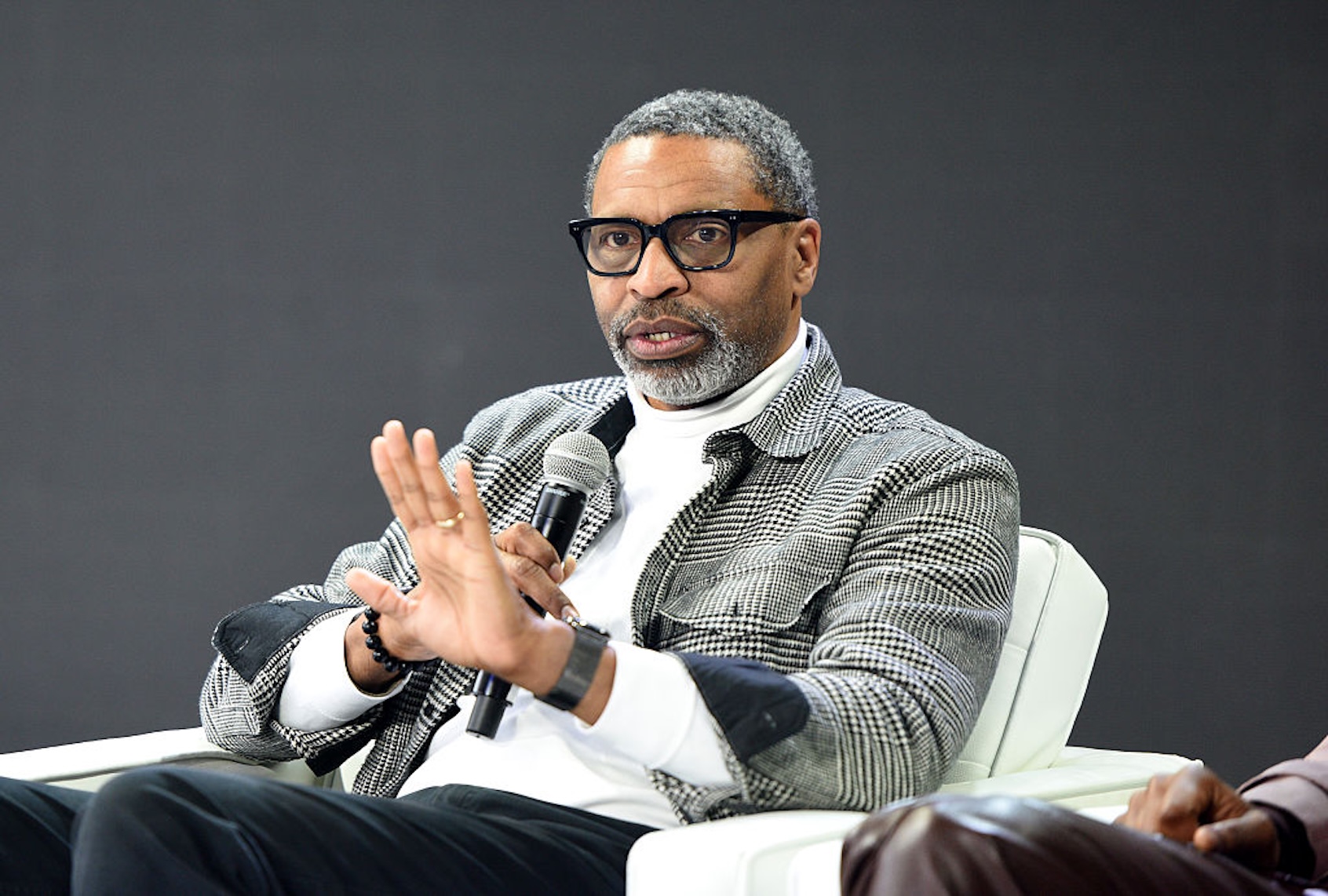
The ongoing struggle for democracy in the United States faces significant challenges under the Trump administration, according to Derrick Johnson, president and CEO of the NAACP. As Black History Month unfolds, Johnson highlights a concerning trend: the systematic erosion of the achievements of the Civil Rights Movement. He argues that this regression appears aimed at restoring an era reminiscent of the Gilded Age and Jim Crow laws, signaling a stark threat to democratic values.
Johnson emphasizes that the motto “Make America Great Again” has taken on a troubling connotation, implying a return to a whiter, less inclusive America. He stresses that this is not merely a political slogan but a strategy to diminish the legacy of civil rights that has historically empowered marginalized communities.
Understanding the Current Landscape
Reflecting on the current political climate, Johnson notes that while it is 2026, the atmosphere feels disorienting, akin to an alternate reality. Rapid advancements in technology coexist with an increase in authoritarian tactics that threaten individual freedoms. “Race is a tool used to maintain domination and control,” he states, urging a clear understanding of how race and class intersect in contemporary society. He explains that narratives blaming marginalized groups for the struggles of working-class white Americans serve only to distract from the broader economic inequities affecting all poor communities.
When asked about the meaning of being an American in today’s environment, Johnson paints a grim picture. He describes a scenario where constitutional rights are undermined, with warrantless searches and targeting of individuals exercising their rights. He stresses that the principles of due process and equality should extend to all individuals, regardless of immigration status.
The Role of the NAACP and the Fight Ahead
The NAACP, the oldest civil rights organization in the United States, finds itself at a crucial juncture. Johnson notes that the detrimental policies currently in place are the result of a long-term movement aimed at dismantling social safety nets and progressive taxation. With the Republican Party controlling all branches of government, the urgency to mobilize voters becomes paramount. Johnson points out that while African Americans make up 13% of the total population, their voting participation in the 2024 elections was only 11% of all ballots cast.
To counteract this trend, the NAACP is focusing on voter education and mobilization, alongside legal challenges to protect voting rights. Johnson highlights the importance of increasing voter turnout as a means to reclaim democratic agency in shaping the nation’s future.
The ongoing political landscape is further complicated by the Trump administration’s actions, such as recent directives aimed at seizing control of voter rolls in key states like Georgia. Johnson argues that these moves are not about addressing voter fraud but rather about consolidating power ahead of upcoming elections. He asserts, “Our vote is our currency,” and warns that attempts to undermine this currency threaten the very fabric of democracy.
Johnson also reflects on the troubling shift within the Department of Justice, where the civil rights division, once a protector of marginalized communities, is now perceived as prioritizing the rights of white individuals against claims of “reverse discrimination.” This shift is a stark deviation from the core values established during the Civil Rights Movement, which sought to ensure equality for all.
With Minneapolis serving as a focal point for civil rights activism, Johnson acknowledges the city’s dual role as a site of significant racial violence and as a catalyst for global protest movements. He urges solidarity among all Americans, highlighting the shared responsibility to uphold constitutional rights for everyone.
In closing, Johnson encourages those engaged in activism to remain steadfast in their efforts. He likens the struggle for democracy to a marathon, emphasizing the need for resilience and collective strength. He believes that the history of overcoming adversity within Black America serves as a testament to the possibility of progress, urging individuals to harness this legacy as a source of hope and motivation.
As Black History Month unfolds, Johnson’s reflections remind us of the ongoing journey toward justice and equality, highlighting both the challenges and the triumphs that define the American experience.