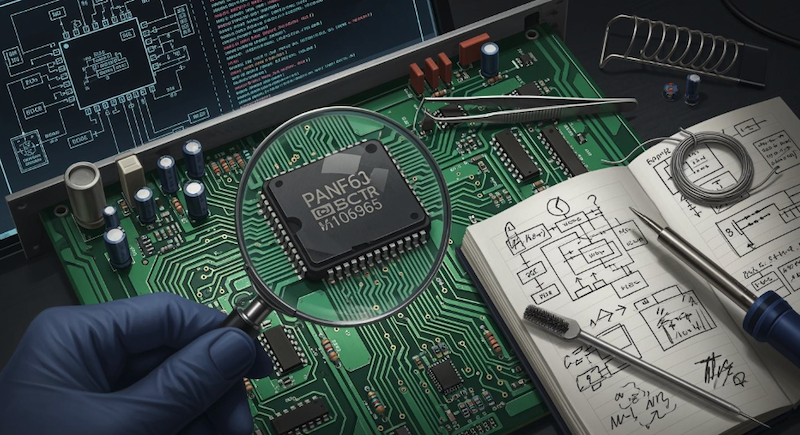
In an age where technology evolves rapidly, many consumers face the challenge of discontinued electronic products. As support for older devices diminishes, some individuals are turning to techniques like PCB reverse engineering and IC unlock methods to breathe new life into their gadgets. This trend not only aids in repairs but also empowers users to extend the lifespan of their electronics, challenging the concept of planned obsolescence.
Understanding Reverse Engineering in Electronics
Reverse engineering involves analyzing existing products to understand their design and functionality. By examining circuit board layouts and integrated circuits, skilled technicians can diagnose issues and create solutions for outdated devices. This practice is particularly valuable for tech enthusiasts who wish to repair or enhance older electronics that manufacturers no longer support.
Many consumers are frustrated by the concept of planned obsolescence, where products are designed to become obsolete or unusable after a certain period. By employing reverse engineering techniques, users can mitigate this issue, allowing them to continue using devices that might otherwise be discarded.
Techniques and Tools for PCB and IC Analysis
The process of reverse engineering begins with the disassembly of the electronic device. Users carefully remove the circuit board to analyze its components. PCB reverse engineering typically requires specialized tools such as microscopes and software to create detailed schematics. These resources enable technicians to map out the circuit and identify faulty components.
In cases where integrated circuits are locked or inaccessible, IC unlock techniques come into play. This often involves extracting firmware or modifying the chip to restore functionality. Such methods can be complex and require a deep understanding of electronics, but they have become increasingly popular among DIY enthusiasts and repair professionals alike.
The revival of discontinued electronics can also have significant economic implications. By encouraging repairs rather than replacements, consumers can save money and reduce electronic waste, which is a growing concern globally. According to the United Nations, electronic waste is projected to reach 74 million metric tons by 2030, highlighting the need for sustainable practices in the electronics industry.
As more individuals engage in these practices, communities are forming around the shared goal of preserving technology. Online forums, workshops, and local repair events are becoming platforms for knowledge exchange and skill development. Such initiatives not only foster a sense of community but also promote an appreciation for older technology.
In summary, the growing interest in reverse engineering and integrated circuit unlocking reflects a shift towards sustainability and consumer empowerment in the electronics sector. As consumers seek to extend the life of their devices, they challenge prevailing trends of planned obsolescence and contribute to a more sustainable future in technology.