Several major airports across the United States are taking significant steps to reduce noise pollution and lessen their impact on surrounding communities. While airports are typically associated with high levels of noise, there are initiatives in place at notable international airfields aimed at mitigating disturbances, particularly in densely populated areas.
Airports such as John F. Kennedy International Airport, LaGuardia Airport, and Newark Liberty International Airport, collectively managed by the Port Authority of New York and New Jersey, have implemented Fly Quiet Programs. These voluntary initiatives involve collaboration between the Port Authority, airlines, and air traffic controllers to develop procedures that minimize noise footprints. This includes encouraging airlines to operate newer aircraft equipped with quieter engines and adjusting flight paths to avoid residential neighborhoods.
In particular, JFK Airport has recommended that southbound departures from Runway 31L take an earlier turn to fly over Jamaica Bay instead of over residential areas in Queens. Similar adjustments are encouraged across all three airports, prioritizing specific runways during late-night hours to avoid flying over populated regions.
San Francisco International Airport (SFO) has introduced its own innovative approach to noise reduction through its Noise Insulation Program. Launched in the 1980s, this initiative focuses on upgrading homes in areas most affected by airport noise. Under this program, properties with noise levels exceeding 65 decibels receive enhancements such as upgraded windows, insulation, and ventilation systems. Since its inception, SFO has upgraded over 15,200 homes, achieving a 92% homeowner satisfaction rate.
Another airport with notable measures is San Diego International Airport, which serves as the busiest single-runway airport in the United States. With over 200,000 aircraft movements annually, it has strict curfews in place, prohibiting takeoffs between 23:30 and 06:30. Aircraft departing during these hours face heavy fines. This curfew is a response to the airport’s proximity to residential neighborhoods, as departures typically pass over populated areas before reaching the Pacific Ocean.
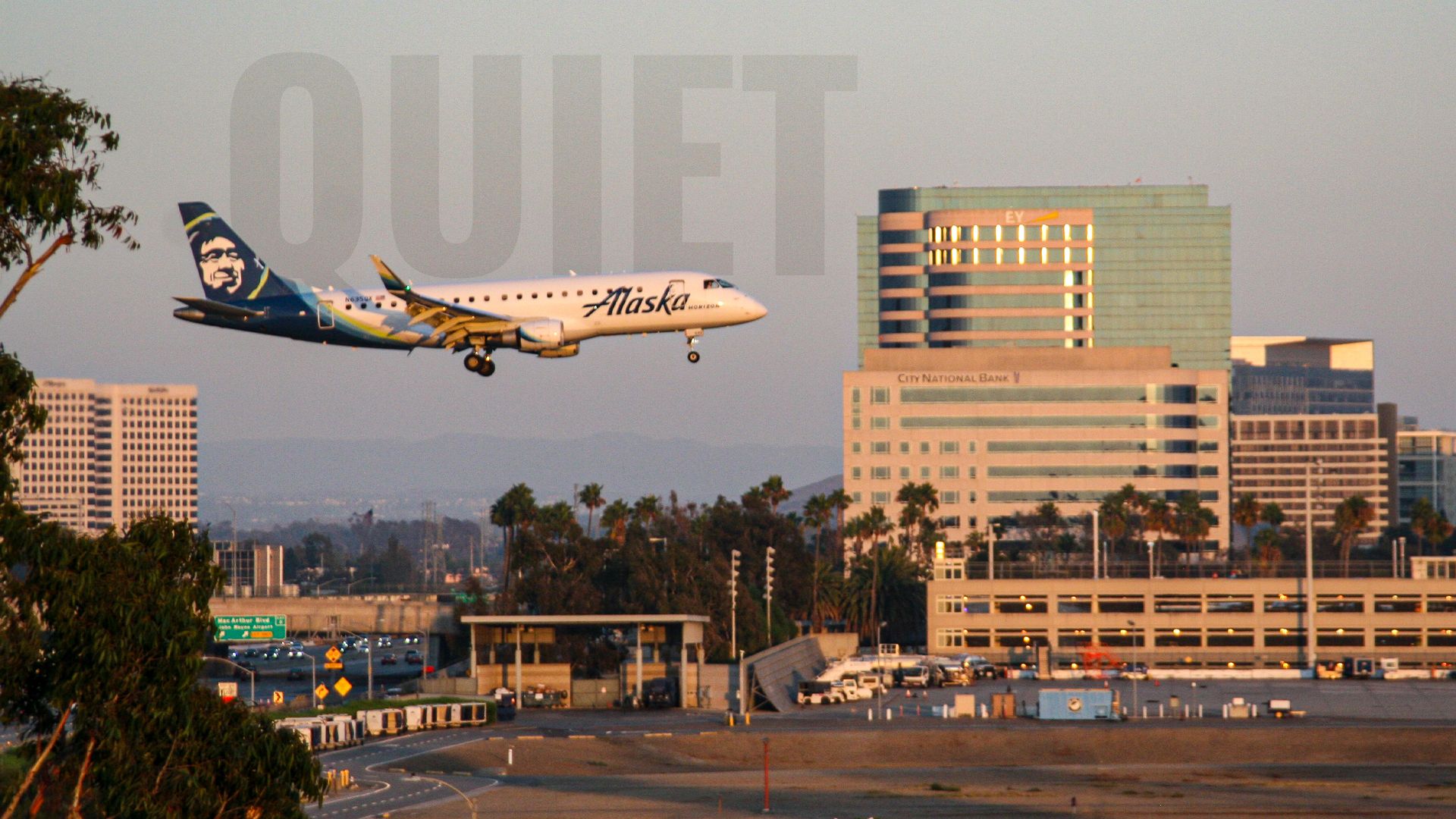
In Orange County, California, John Wayne Airport enforces some of the strictest noise abatement procedures in the country. With a runway capable of handling commercial airliners measuring just 5,700 feet, the airport has developed unique takeoff protocols. Departures from Runway 20R involve a steep climb at a 25-degree angle, designed to minimize noise impact on surrounding communities. Additionally, a curfew restricts departures from 22:00 to 07:00, with exceptions for emergency situations.
While many international airports in Europe implement stringent noise abatement measures, the United States has a more varied approach. With over 500 commercial airports and relatively low population density in many areas, strict noise regulations are less common. Nonetheless, the growing awareness of noise pollution is prompting airports to adopt more community-friendly practices.
As the aviation industry continues to evolve, these measures reflect a commitment to balancing operational efficiency with the needs of local communities. Airports across the country are increasingly recognizing their responsibility to ensure that their operations do not detract from the quality of life for residents living in close proximity.