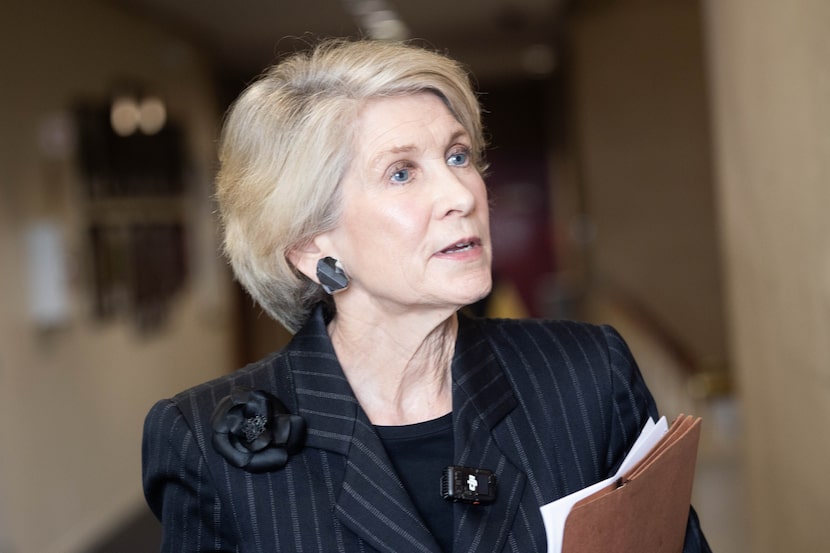
Former Mayor Laura Miller has called for increased involvement from the private sector to enhance the City of Dallas’s response to homelessness. Speaking to members of the housing and homelessness committee, Miller emphasized that addressing the issue requires innovative partnerships beyond traditional funding from non-governmental organizations (NGOs) and taxpayer money.
Miller noted that many individuals facing homelessness often lead lives hidden from public view, residing in motels or vehicles. She believes that the local community, including faith-based organizations, rotary clubs, and private businesses, can play a crucial role in providing assistance. The former mayor stated, “If the private sector can clock in, then the city’s resources could potentially help people who struggle with deep-seated mental health needs and substance abuse.”
At a recent meeting, Miller highlighted a program called the Ladder Project, initiated by her synagogue, Congregation Shearith Israel, in 2018. This initiative focuses on offering mentorship, financial resources, and health support to those experiencing homelessness. Nine volunteers, primarily in their 60s and 70s, began the project with a simple premise: what if their congregation could collectively assist at least one person in need?
“If 1,000 congregant members can’t take one person off the streets of Dallas and stay with them until they’re self-sufficient, then we can’t solve homelessness in America,” Miller stated during her presentation.
The city has invested significantly in homelessness initiatives, including a recent allocation of $10 million to Housing Forward, the region’s lead agency, aimed at providing rental assistance and housing support. This funding is expected to expand on the existing street-to-home program, which successfully housed 250 unsheltered residents in downtown Dallas over the past year. According to city volunteers, the number of individuals experiencing homelessness decreased to 3,541 last year, down from previous counts. The upcoming count is set to be released in the coming months.
Miller believes the city can leverage additional resources to improve lives, expressing a willingness to share templates and findings from the Ladder Project with others interested in making a difference. With approximately 3,000 faith-based organizations in the region, she posed the question: What if each one took responsibility for assisting just one individual?
Since its inception, the Ladder Project has helped around 50 people regain stability, with approximately 80% of them maintaining self-sufficiency. The process begins with volunteers conducting thorough background checks, assessing willingness to work, and addressing any substance abuse issues. The primary goal is to secure employment for the individuals, after which the team assists with finding suitable housing.
Miller’s team has formed partnerships with local institutions, including UT Southwestern Medical Center and Presbyterian Hospital, to provide job support. Volunteers also help cover upfront housing costs and utilize donated furniture, along with pro bono medical and dental services, to ensure a smooth transition back to stability. To date, the Ladder Project has expended $192,000, averaging around $3,900 per participant.
Miller’s advocacy for increased private sector involvement in tackling homelessness underscores a growing recognition that addressing such complex societal issues requires collaboration across various sectors. As Dallas continues to face challenges related to homelessness, initiatives like the Ladder Project may provide models for effective, community-driven solutions.