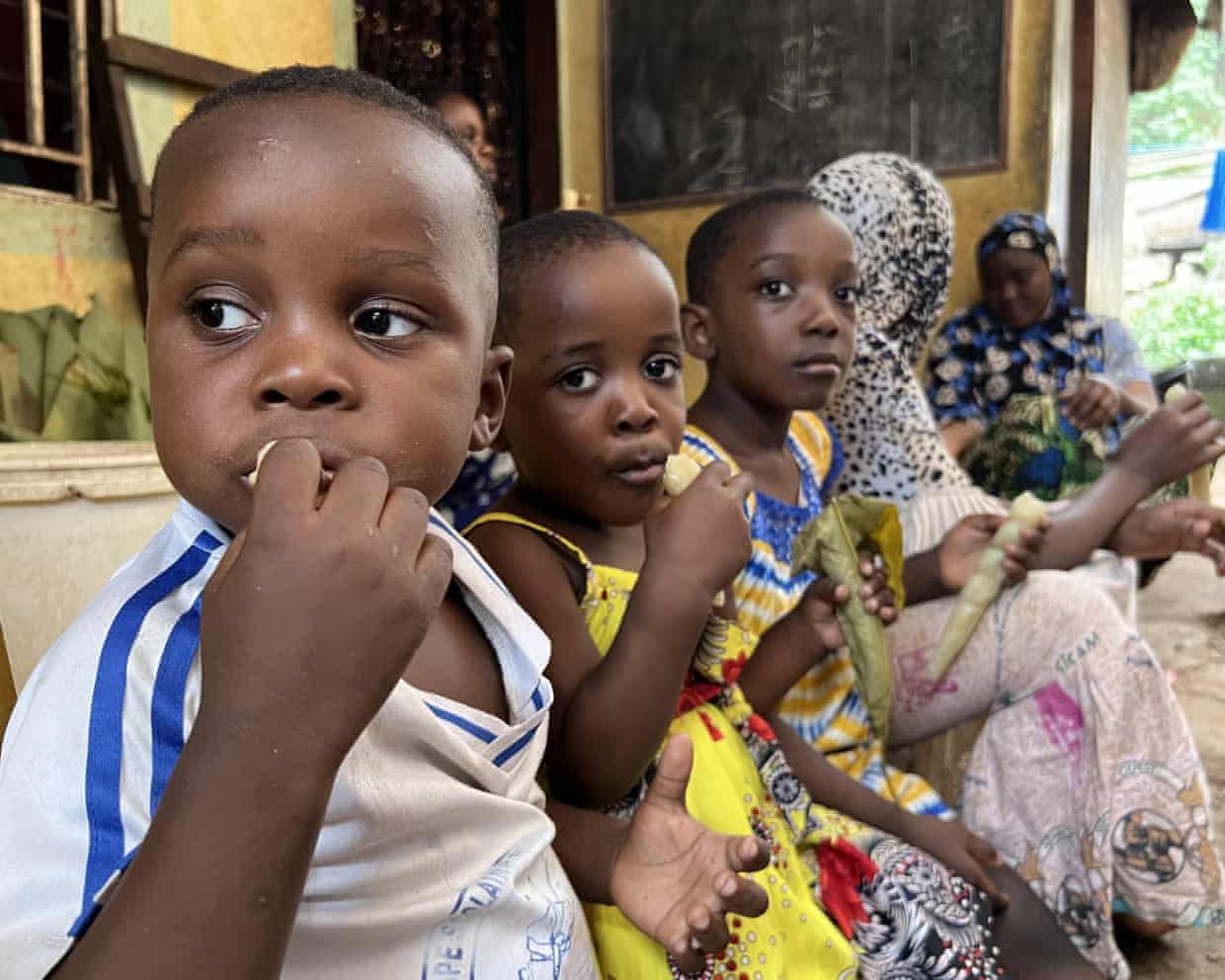
The World Bank has released a report highlighting that declining health, education, and training in many developing countries are significantly undermining the future earning potential of today’s children. The document, titled Building Human Capital Where it Matters, emphasizes the urgent need for policymakers to improve conditions in three key environments: homes, neighbourhoods, and workplaces.
The report reveals that in 86 of 129 low and middle-income countries, health and educational standards have deteriorated between 2010 and 2025. Children born in these countries today could potentially earn 51% more over their lifetimes if their nation’s human capital matched that of the best-performing countries with similar income levels. This stark statistic underscores the critical importance of investing in human capital for future economic stability.
Mamta Murthi, the World Bank’s Vice President for People, stated, “The prosperity of low- and middle-income countries depends on their ability to build and protect human capital.” She expressed concern that many countries are currently struggling to enhance nutrition, learning, and skills for both their existing and future workforce, which could jeopardize labour productivity and the quality of jobs available in the future.
Deteriorating health indicators are evident in several sub-Saharan African nations, where adults today are, on average, shorter than they were 25 years ago. This trend signals a decline in overall health conditions. Additionally, children in low and middle-income countries are achieving lower learning outcomes compared to 15 years ago, with the most significant declines observed in sub-Saharan Africa.
The comprehensive 140-page analysis draws on recent research to identify various factors impacting human capital. These range from childhood stunting related to malnutrition to the presence of criminal gangs in local neighbourhoods. The report highlights that the quality of care families can provide has long-lasting effects on children’s development. For instance, millions of children in China are cared for by relatives while their parents seek employment, leading to poorer educational outcomes despite higher household incomes.
In neighbourhoods plagued by crime, the report notes that residents often face economic disadvantages. Research from San Salvador indicates that individuals living in gang-controlled areas have fewer assets, lower incomes, and reduced educational attainment compared to those living just a short distance away.
Workplace conditions also contribute significantly to human capital development. The report reveals that 40% of women in low and middle-income countries are not employed at all. Of those who are employed, approximately 70% work in low-quality self-employment or small-scale agriculture, which typically offers limited training and few opportunities for skill development.
To address these pressing issues, the World Bank recommends a comprehensive range of policies, including support for parenting, access to clean water, and incentives for apprenticeships. Notably, it points out that countries with similar economic standings can exhibit vastly different levels of human capital. Success stories highlighted include Jamaica, Kenya, the Kyrgyz Republic, and Vietnam.
With the current U.S. administration demonstrating skepticism towards international aid, Ajay Banga, the President of the World Bank, has refocused the institution’s mission towards job creation and economic growth, emphasizing the necessity of investing in human capital to secure a prosperous future for developing nations.