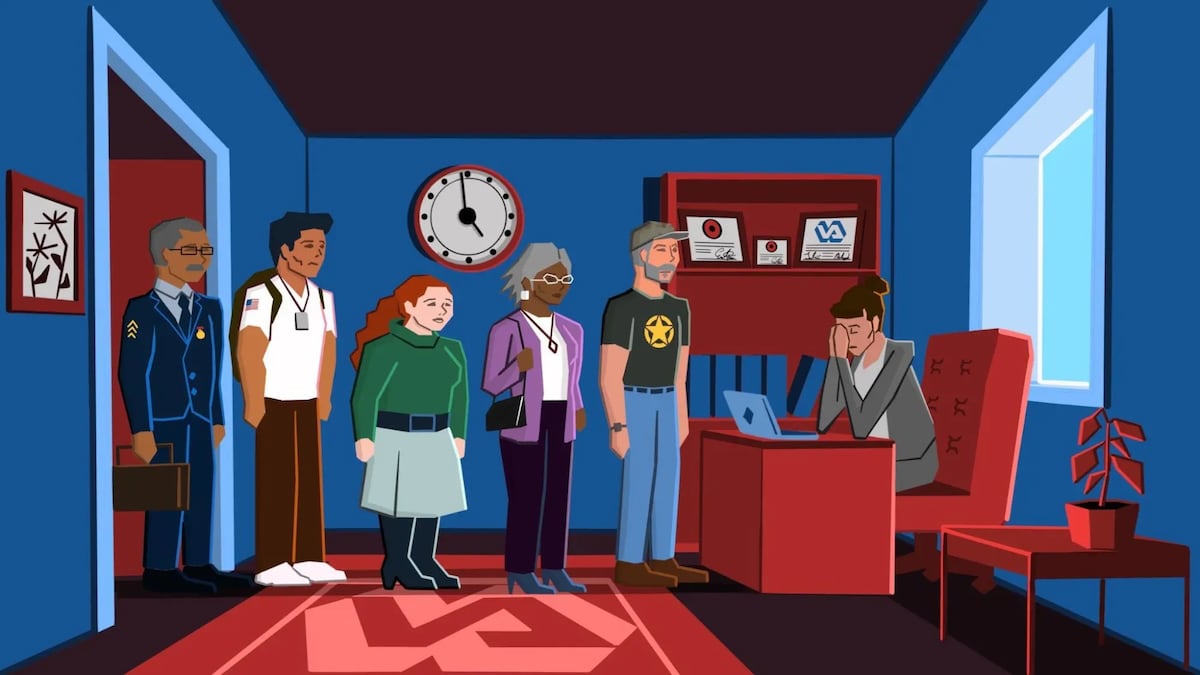
The ongoing staffing crisis within the Department of Veterans Affairs (VA) has reached alarming levels, particularly affecting the mental health sector. According to a recent survey conducted by the VA’s internal watchdog, facilities reported more than 4,400 severe staffing shortages in fiscal year 2025, marking a significant 50% increase from the previous year. Psychologists were identified as the most affected clinical profession, echoing a trend that has persisted since 2019.
Despite the VA’s emphasis on suicide prevention and the mental well-being of veterans, many psychologists are experiencing burnout, prompting concerns about the quality of care provided. “I loved my veterans and had the privilege of seeing real change in their lives over time,” stated Laura Grant, a psychologist who left the VA in September 2024 after nearly a decade of service. Grant highlighted that burnout felt increasingly normalized rather than being addressed within the agency.
The number of psychologists employed by the VA has witnessed a decline, with a loss of over 200 psychologists in 2025—the first such decrease in more than a decade. In contrast, the demand for mental health services has surged, with the VA serving 2.2 million patients for mental health care in 2025, a 40% increase compared to a decade ago. The VA has only increased its psychologist workforce by 24% since 2016, despite the growing client base.
A report from the VA Office of Inspector General indicated that 57% of VA healthcare facilities reported severe staffing shortages of psychologists. The definition of “shortage” refers to positions that are difficult to fill, not necessarily those that are vacant. In addition to psychologists, 55% of facilities cited psychiatrists as another role in high demand.
Concerns about the working conditions have been echoed by former psychologists. They describe an environment focused on metrics and the pressure to discharge patients quickly, which ultimately compromises care quality. “I felt like a factory worker,” remarked one psychologist who chose to remain anonymous due to fears of backlash. This sentiment reflects the frustration felt by many who believe the system is not adequately addressing their needs or those of the veterans they serve.
The VA has publicly dismissed criticisms from former employees, with press secretary Peter Kasperowicz asserting that the fluctuations in staffing numbers correlate with labor market trends and the demand for services. He claimed, “Today we employ more than 7,000 psychologists, which is more than VA had at many points during the Biden Administration.”
Despite these assertions, many psychologists who left the VA have expressed disillusionment with the agency’s management. Initiatives aimed at addressing burnout, such as appointing chief well-being officers, have been criticized as insufficient. Many former employees reported a lack of awareness regarding these positions, leading to skepticism about their effectiveness.
In a recent email from a psychology program manager at the Central Virginia VA Health Care System, staff were informed of new strategies to manage patient loads due to staffing shortages. The email outlined a need to reduce caseloads and introduced a short treatment model of only six to fifteen sessions for new patients. The implementation of such measures has sparked dissatisfaction among both patients and providers.
As the situation continues to deteriorate, many former psychologists are finding new opportunities in private practice, where they enjoy greater flexibility and control over their work conditions. While some still wish to work with veterans, they are reluctant to join the VA’s community provider network due to issues with insurance payments and reimbursement rates.
Despite their grievances, a significant number of former VA psychologists, approximately 69%, indicated a willingness to return to the agency under improved conditions that prioritize clinician well-being and respect for their professional contributions.
The challenges faced by VA psychologists underscore the urgent need for systemic change within the agency to ensure that mental health professionals can provide the high-quality care that veterans require and deserve. As the demand for mental health services continues to rise, addressing these staffing shortages and improving working conditions will be critical for the future of veteran mental health care.