Nearly five decades after the Iranian Revolution on February 11, 1979, the relationship between the United States and Iran remains fraught with tension and uncertainty. The two nations are at a diplomatic impasse, with neither side willing to compromise on critical issues. This deadlock not only hampers progress in negotiations but also raises the risk of miscalculation that could lead to conflict.
The U.S. and Iran have struggled to find common ground on several contentious topics, particularly Iran’s nuclear program and the associated sanctions. Since the U.S. withdrew from the Joint Comprehensive Plan of Action (JCPOA) in May 2018, relations have further deteriorated. The Iranian government, led by President Ebrahim Raisi, has continued to advance its nuclear capabilities, resulting in heightened scrutiny from the international community.
Washington has expressed concerns over Iran’s nuclear ambitions, which it sees as a significant threat to regional and global security. The U.S. has sought to rally its allies to impose stricter sanctions on Iran, aiming to pressure the regime into compliance with international norms. This approach, however, has met with resistance from Iran, which views the sanctions as an infringement on its sovereignty.
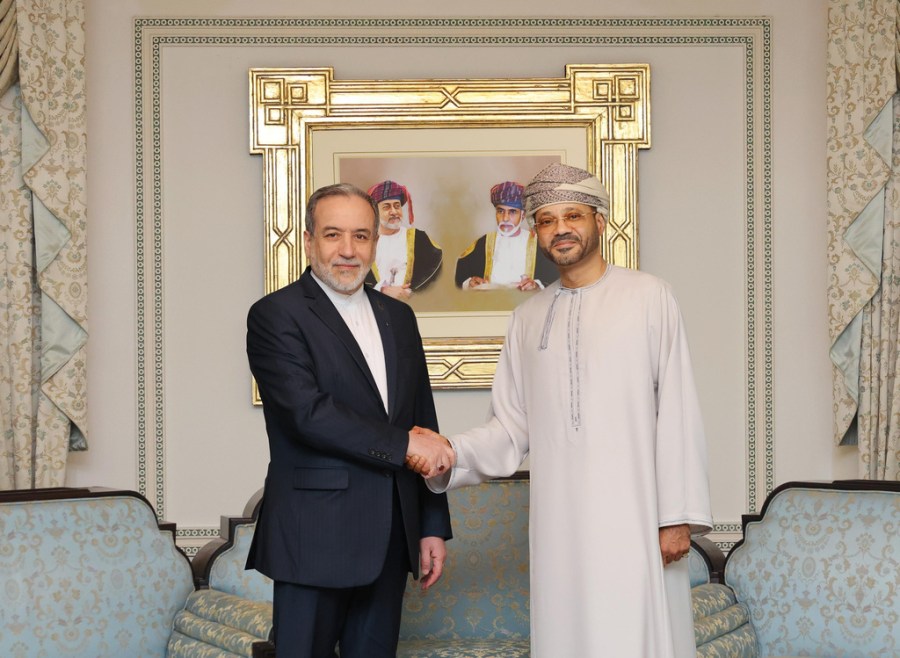
Negotiations facilitated by the International Atomic Energy Agency (IAEA) have yet to yield meaningful results. Despite multiple rounds of discussions, both sides remain entrenched in their positions. Iran demands the lifting of sanctions as a prerequisite for any nuclear concessions, while the U.S. insists that Iran must first demonstrate compliance with its nuclear obligations.
Historical Context and Ongoing Tensions
The roots of the current impasse can be traced back to the events of 1979, when the Iranian Revolution led to the establishment of the Islamic Republic under the leadership of Ayatollah Khomeini. The revolution drastically altered U.S.-Iran relations, which had been relatively favorable during the reign of the Shah. Since then, the U.S. has viewed Iran with suspicion, particularly regarding its regional influence and military capabilities.
Recent developments have only exacerbated the situation. Iran’s nuclear advancements have prompted fears of a potential arms race in the Middle East. The U.S. and its allies worry that a nuclear-capable Iran could embolden militant groups and destabilize the region further.
The Biden administration has indicated a willingness to return to the JCPOA framework, but this approach has faced criticism domestically. Some lawmakers argue that any agreement must include provisions to address Iran’s ballistic missile program and its support for proxy groups throughout the region. This insistence on broader negotiations complicates the already fragile discussions.
Path Forward: Risks and Opportunities
The ongoing deadlock presents significant risks for both nations. Miscommunication or miscalculation could lead to military confrontations, as demonstrated by incidents in the Persian Gulf. Both countries need to engage in dialogue to reduce the potential for conflict and establish a more stable framework for future relations.
Despite the challenges, there are opportunities for a renewed diplomatic approach. Confidence-building measures, such as increased transparency regarding nuclear activities and a phased lifting of sanctions, could pave the way for more productive discussions. Engaging regional allies in these talks may also help bolster support for a comprehensive agreement.
As the 47th anniversary of the Iranian Revolution approaches, the prospects for U.S.-Iran relations remain uncertain. Both nations must navigate their respective red lines carefully to prevent a further escalation of tensions. The world watches closely, hoping for a resolution that could usher in a new era of diplomacy and stability in a volatile region.