NotebookLM has proven to be a formidable tool for researchers when provided with organized and comprehensive materials. This software excels in transforming structured documents, web links, or notes into easily digestible formats. Users can expect features like summaries and mind maps that synthesize information efficiently. However, when dealing with disorganized sources or incomplete drafts from various projects, the performance of NotebookLM diminishes significantly.
Strengths of NotebookLM in Organized Research
The effectiveness of NotebookLM lies in its ability to handle well-prepared content. When researchers input a solid collection of documents, the software seamlessly reframes the information, making complex subjects more understandable. This capability is particularly useful for students, academics, and professionals seeking clarity in their research tasks.
NotebookLM’s strength is amplified by its user-friendly interface, which allows for quick navigation and easy access to various tools. By generating concise summaries, this software helps users grasp essential points without sifting through extensive information. The incorporation of mind maps further enhances its functionality, allowing users to visualize connections between ideas, ultimately leading to deeper insights.
Claude’s Advantage in Handling Disorganized Notes
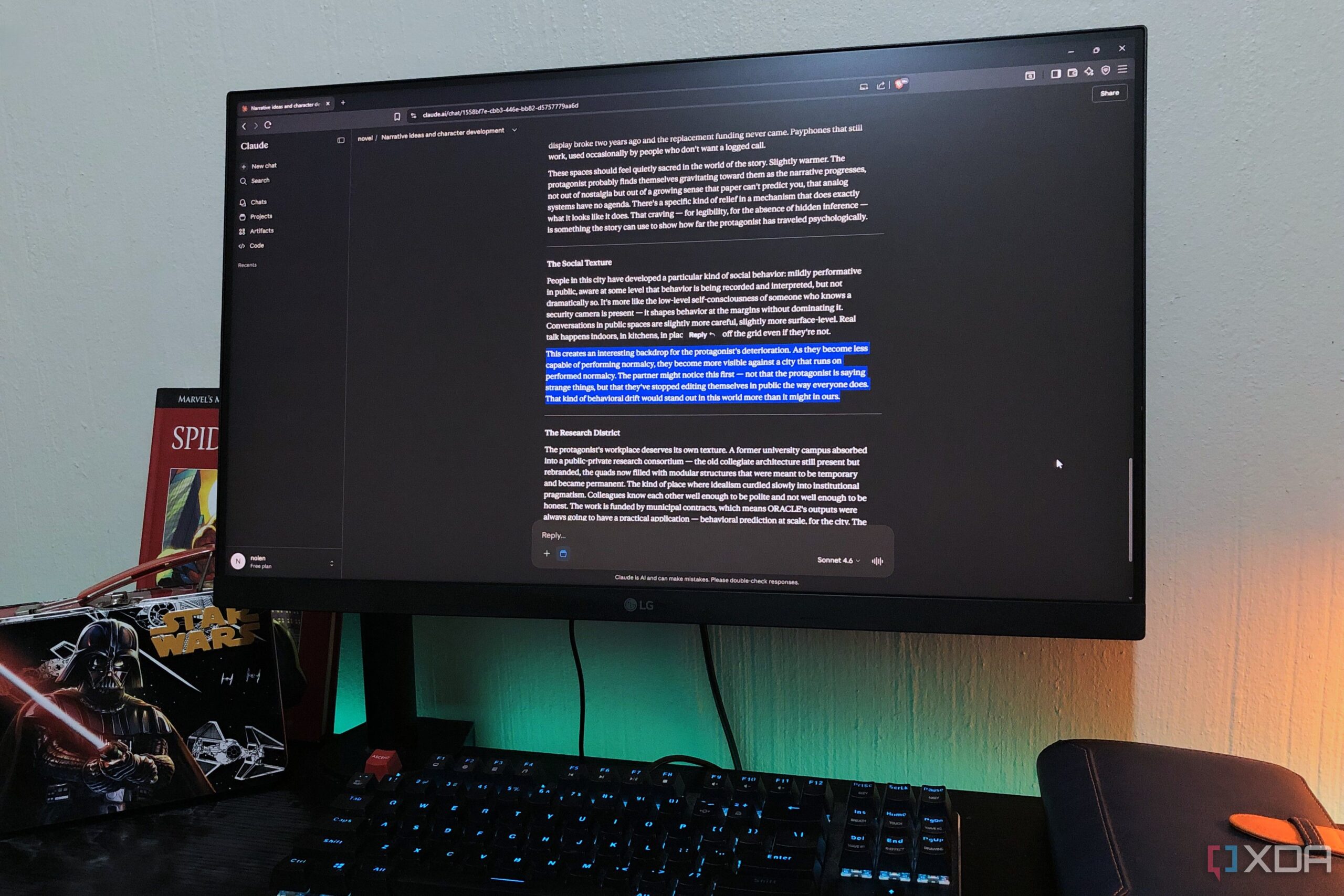
While NotebookLM excels in structured environments, Claude has emerged as a preferred option for those grappling with chaotic and unorganized notes. Claude’s design accommodates scattered information, making it more effective for users who often work with half-finished drafts or materials from different projects. This adaptability allows Claude to provide coherent outputs even when the input lacks structure.
Users have reported that Claude is particularly beneficial in scenarios where quick organization is necessary. The software employs advanced algorithms to piece together information from various sources, making it easier for users to regain control over their notes. For individuals who routinely juggle multiple projects, this feature can save time and reduce frustration.
In conclusion, while NotebookLM remains a powerful ally in research settings where information is organized, Claude stands out for its ability to manage less structured notes effectively. Each tool serves distinct purposes, providing options for users based on their specific needs. As technology continues to evolve, the competition between these platforms highlights the importance of adaptability and user preference in the realm of digital research tools.