UPDATE: In a critical showdown, Senate Democrats have just blocked a Republican-led effort to reopen the federal government for the 14th time, ensuring that the current shutdown will become the longest in U.S. history. As of October 31, 2023, lawmakers marked day 35 of the standoff, surpassing the previous record set in 2019.
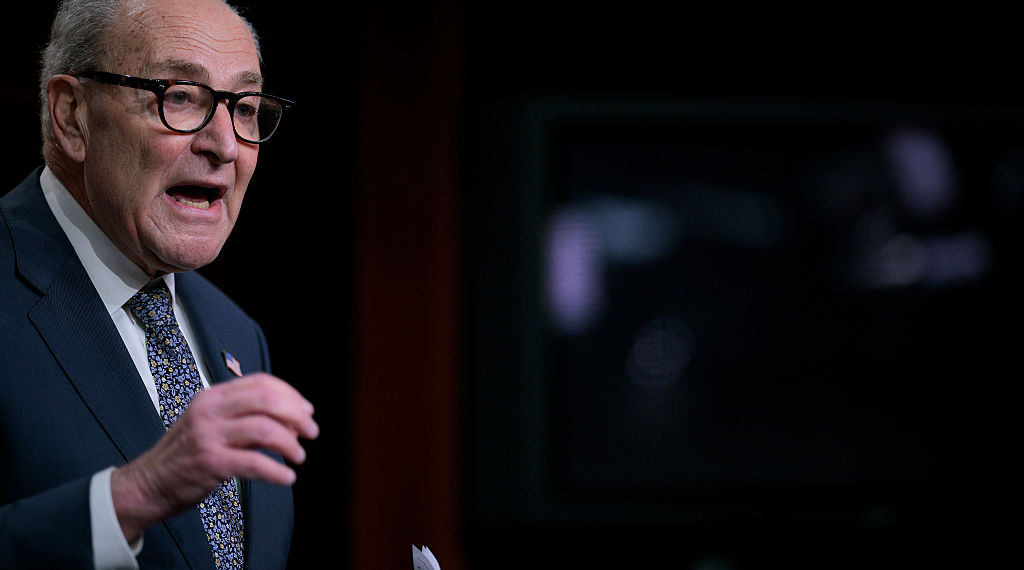
The vote highlights a deepening partisan divide over healthcare policy and spending priorities. The House-passed continuing resolution (CR) was once again turned down by Democrats, who demand a firm agreement on expiring Obamacare subsidies before considering any government reopening. Senate Majority Leader Chuck Schumer, D-N.Y., pointed fingers at Republicans and former President Donald Trump, accusing them of neglecting the rising healthcare costs burdening Americans.
“The only plan Republicans have for healthcare seems to be to eliminate it, and then to tell working people to go figure it out on their own,”
Schumer declared on the Senate floor, emphasizing the urgency for a viable solution.
Despite Schumer’s firm stance, signs of fatigue are emerging among Senate Democrats. Nearly a dozen members convened privately on Monday night to explore potential compromises to resolve the impasse. Senate Minority Leader John Thune, R-S.D., expressed cautious optimism, acknowledging that while an end to the shutdown may be imminent, it is unlikely to happen this week.
“The pressures, the cross pressures that everybody’s feeling, are great,” Thune remarked, noting the growing pain inflicted on the American populace.
Republicans have proposed several offers to Democrats, including a commitment to vote on the Obamacare subsidies once the government reopens. However, with the current CR set to expire on November 21, 2023, time is running out for lawmakers to pass broader spending bills. Some legislators are suggesting extending the resolution into December or January to avoid further shutdowns and circumvent a massive year-end omnibus package.
Senator Mike Rounds, R-S.D., involved in bipartisan discussions, urged Democrats to act decisively.
“Bottom line is they can stop all this with one vote and get back to work on a bipartisan basis,”
Rounds stated, calling for immediate dialogue.
Amid the negotiations, Senator Lisa Murkowski, R-Alaska, proposed a two-year extension of the Obamacare subsidies as a possible compromise. She acknowledged, however, that substantial reforms may be out of reach given that insurers have already finalized their new rates. “It’s just what’s the right concoction?” she questioned about ongoing negotiations.
Frustration is also mounting among Senate Democrats regarding Trump’s lack of engagement. Trump has refused to meet with Schumer or House Minority Leader Hakeem Jeffries, D-N.Y., until the government is reopened, instead urging Republicans to eliminate the Senate filibuster to push through their proposals. Senator Andy Kim, D-N.J., criticized Trump’s inaction, stating,
“If he’s got time to tweet, he’s got time to just come and talk to us.”
As this historic shutdown stretches into uncharted territory, both parties are grappling with public discontent, yet neither appears poised to take the first step toward resolution.
With the clock ticking and the stakes rising, all eyes are on Capitol Hill as lawmakers navigate this critical juncture in U.S. governance. Expect rapid developments as the situation evolves.