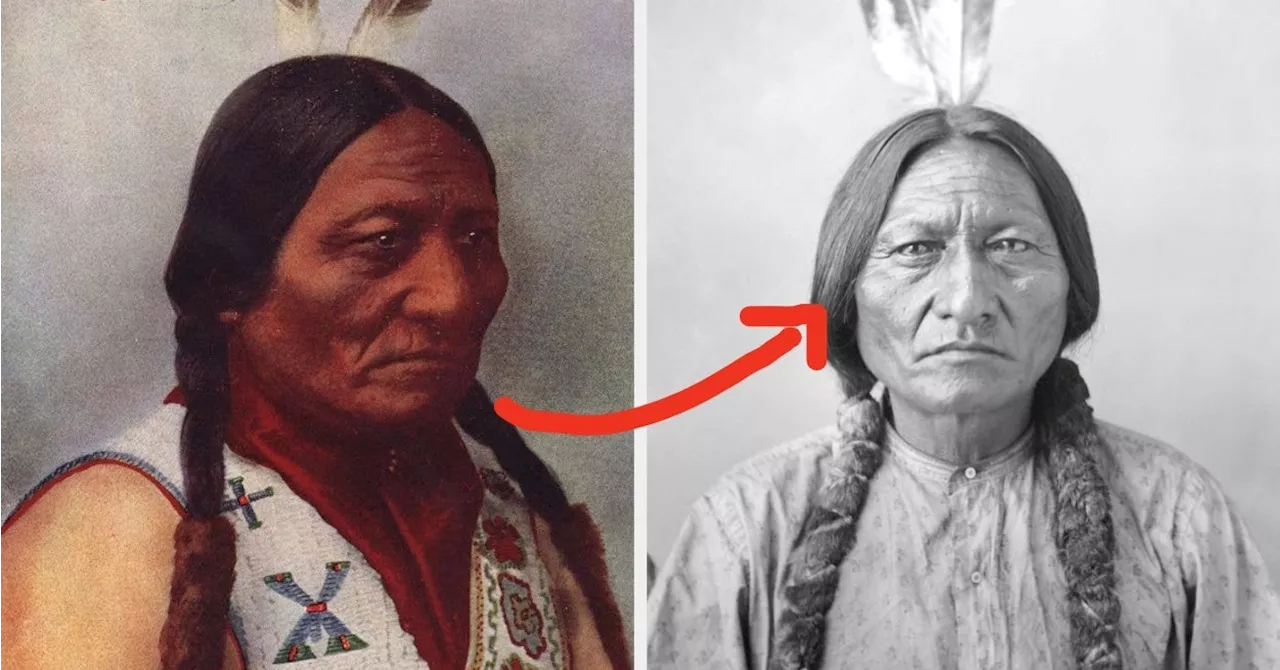
BREAKING: A stunning visual comparison of portraits of prominent historical figures has just been released, contrasting classic paintings with modern photographs. This exploration sheds light on the differences in style and realism that define how we perceive these figures today.
The side-by-side comparisons include renowned personalities such as Victor Hugo, Florence Nightingale, and Sitting Bull. The juxtaposition aims to provoke thoughts on the evolution of portraiture and its impact on historical representation.
Shockingly, the images reveal how artistic interpretation varies dramatically from photographic realism. For instance, a portrait of Edgar Allan Poe stands in stark contrast to a photograph of Queen Victoria, raising questions about which medium captures the essence of these influential figures more accurately.
More than just visuals, this analysis invites viewers to consider the emotional resonance of each medium. Does the paintbrush convey deeper character, or does the camera provide a more truthful depiction? The latest findings encourage public engagement, prompting readers to share their thoughts on which portraits resonate most and why.
The images, sourced from archives like Getty Images, include iconic portraits and engravings of figures such as Karl Marx and Charles Darwin, alongside photographs of historic leaders like Napoleon III and Susan B. Anthony. The project highlights the ongoing conversation about the role of art in shaping historical narratives.
As discussions ignite online, audiences are encouraged to comment and share their opinions on social media. What differences between paintings and photographs surprise you the most? Whose portrayal feels the most authentic?
This emerging trend of comparing artistic interpretations with photographic documentation is gaining traction, and the implications for historical understanding are profound. The public is urged to stay tuned for more updates and participate in the dialogue.
In a world where visual representation shapes our understanding of history, this comparison serves as a reminder of how art and photography influence our collective memory. Don’t miss this chance to engage with a conversation that blends history, art, and personal perception. Share your thoughts now and join the discussion!