UPDATE: Former President Donald Trump has just proposed a controversial plan to extend mortgage terms to 50 years as a response to the escalating home affordability crisis. This announcement, made on October 28, 2023, has sparked debate among homeowners and renters alike, highlighting the urgent need for solutions in a market where homeownership feels increasingly unattainable.
The median age of first-time homebuyers has reached an alarming 40 years old, according to the National Association of Realtors. This marks a drastic increase from just 28 years old in 1991. Many prospective buyers, especially women, face the daunting reality of delayed family planning due to financial constraints. With homeownership slipping out of reach, the implications for future voting trends are significant.
Recent data from the American National Election Studies indicates that renters now favor Democrats by nearly two to one. In contrast, homeowners are more likely to identify as “strongly Republican.” As political tensions rise, Trump’s mortgage proposal could be seen as a desperate attempt to sway voters ahead of the critical midterm elections in 2024.
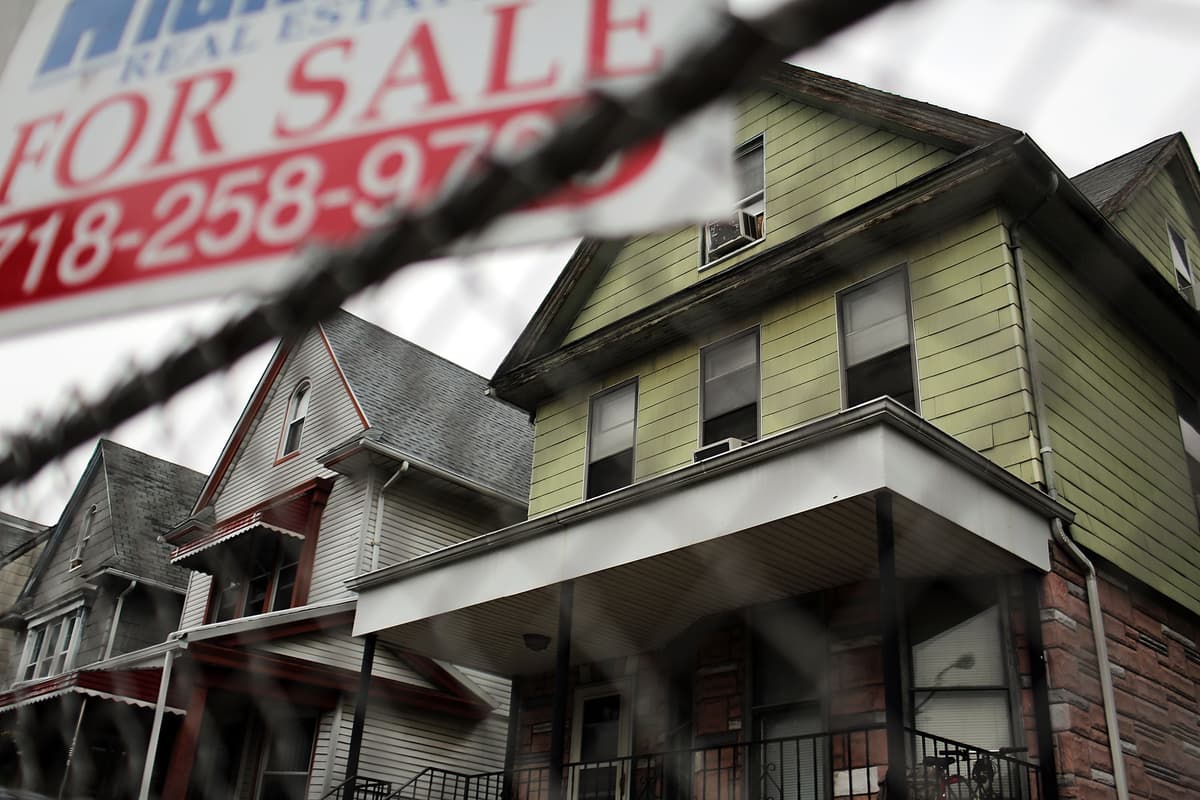
In urban centers like New York City, even earners of $120,000 struggle to transition to homeownership. Reports reveal a growing population of “downwardly mobile professionals” confined to cramped apartments, fueling support for candidates like Democratic Socialist mayor-elect Zohran Mamdani. The growing divide is evident: many young professionals are losing hope of ever owning a home.
While Trump’s 50-year mortgage idea has been labeled a “nonstarter” due to restrictions imposed by Dodd-Frank, the proposal reflects a broader recognition of the crisis. Current homeowners, particularly seniors, are hesitant to sell their properties and move due to higher interest rates, creating a bottleneck in the housing market.
Trump has urged the Federal Reserve Chairman Jerome Powell to lower interest rates, which have already seen cuts in September and October. Analysts speculate another cut could come in December, but this is only a temporary fix to a more complex issue of housing supply and demand.
The National Association of Home Builders reported builder confidence at just 37 out of 100 at the end of October, reflecting a lack of optimism about new construction. The key to revitalizing this sector lies in job growth and consumer confidence—both of which are under scrutiny as the government shutdown ends and new employment data is released.
As political factions gear up for the midterm elections, Democrats are pushing for policies that support renters, including new affordable housing mandates in states like Connecticut. These initiatives aim to convert predominantly single-family neighborhoods into apartment complexes, raising concerns about property taxes and the affordability of homeownership for first-time buyers.
Trump’s framing of these policies as a “war on the suburbs” could resonate with voters who fear the changing demographic landscape. However, many Democrats view these measures as essential to addressing the housing crisis.
As the landscape of American homeownership continues to evolve, the urgency for tangible solutions is clear. Both parties must navigate the fine line between political strategy and the real struggles faced by millions of Americans. With the stakes high and the election season approaching, the dialogue around home affordability is more critical than ever.
Stay tuned for updates on this developing story as it unfolds. The future of homeownership—and the American Dream—hangs in the balance.