Governor Jeff Landry has taken a significant role in shaping the leadership of Louisiana’s universities, particularly with the appointment of Wade Rousse as the 29th president of Louisiana State University (LSU). Investigative reporting by Tyler Bridges from The Advocate reveals that political contributions may have played a crucial role in Rousse’s selection, raising questions about the integrity of the appointment process.
Rousse, who has a Ph.D. in economics and a strong background in business, has served as president of McNeese State University since July 2024. His tenure has been marked by significant growth and revitalization of the university, according to Kedrick A. Nicholas, senior vice president at McNeese. Nicholas believes Rousse deserves the opportunity to lead at a higher level, citing his impressive record at McNeese.
Political Contributions and Appointments
Landry praised Rousse’s financial management, stating, “He’s the only president that over the last five years has been able to take a university and actually put it in the black.” His support for Rousse was echoed by Lee Mallett, a businessman and member of the LSU Board of Supervisors, who noted Rousse’s understanding of Louisiana’s cultural and political landscape. However, it is essential for Louisiana citizens to understand the extent of Landry’s influence in these appointments, which also includes selections for two additional university presidencies within the state.
According to Bridges, Landry’s ability to appoint members to the LSU Board of Supervisors and the University of Louisiana System Board has given him substantial control over the selection of university presidents. This power was bolstered by a law passed in 2023 that empowered the governor to name board chairs responsible for choosing these leaders. For instance, Landry appointed Mark Romero, an insurance executive, as chair of the University of Louisiana Board on June 5, 2024. Similarly, Scott Ballard, a businessman and significant contributor to Landry’s campaign, was appointed to chair the LSU Board.
Bridges highlighted that the expedited selection of former Louisiana Supreme Court Justice Jimmy Genovese as president of Northwestern State University was facilitated by Romero’s leadership on the board. Despite Landry’s claims of limited involvement in these selections, Bridges emphasizes that his influence is evident. “I have not played a role in the selection of any of these presidents other than if I speak to those board members about the interview process, what they think, what I think,” Landry stated, which some insiders have challenged.
Concerns Over Political Influence
Former state senator Jay Dardenne voiced concerns about the implications of this political favoritism on university governance, stating, “The governance of a university ought to rest with the governing board rather than be a political favorite of the governor.” He warned that such practices could potentially jeopardize a university’s accreditation status.
Mallett’s involvement in Rousse’s appointment included organizing lunches and meetings with key board members, as well as chartering private flights for Rousse to connect with board members across the state. This level of engagement raises further questions about the relationship between political contributions and university leadership selections.
The situation presents a troubling narrative about the intersection of politics and education in Louisiana, highlighting the potential for political contributions to overshadow merit in university appointments. As Landry continues to assert his influence across the state’s higher education landscape, the implications of these actions remain to be seen.
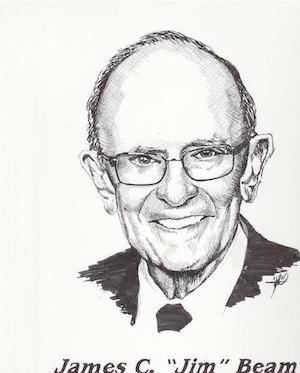
Jim Beam, a seasoned journalist with over six decades of experience in political reporting, concludes that this story serves as a critical reminder of the influence wielded by political contributions in shaping the future of educational leadership in Louisiana. For further insights, he can be contacted at [email protected].