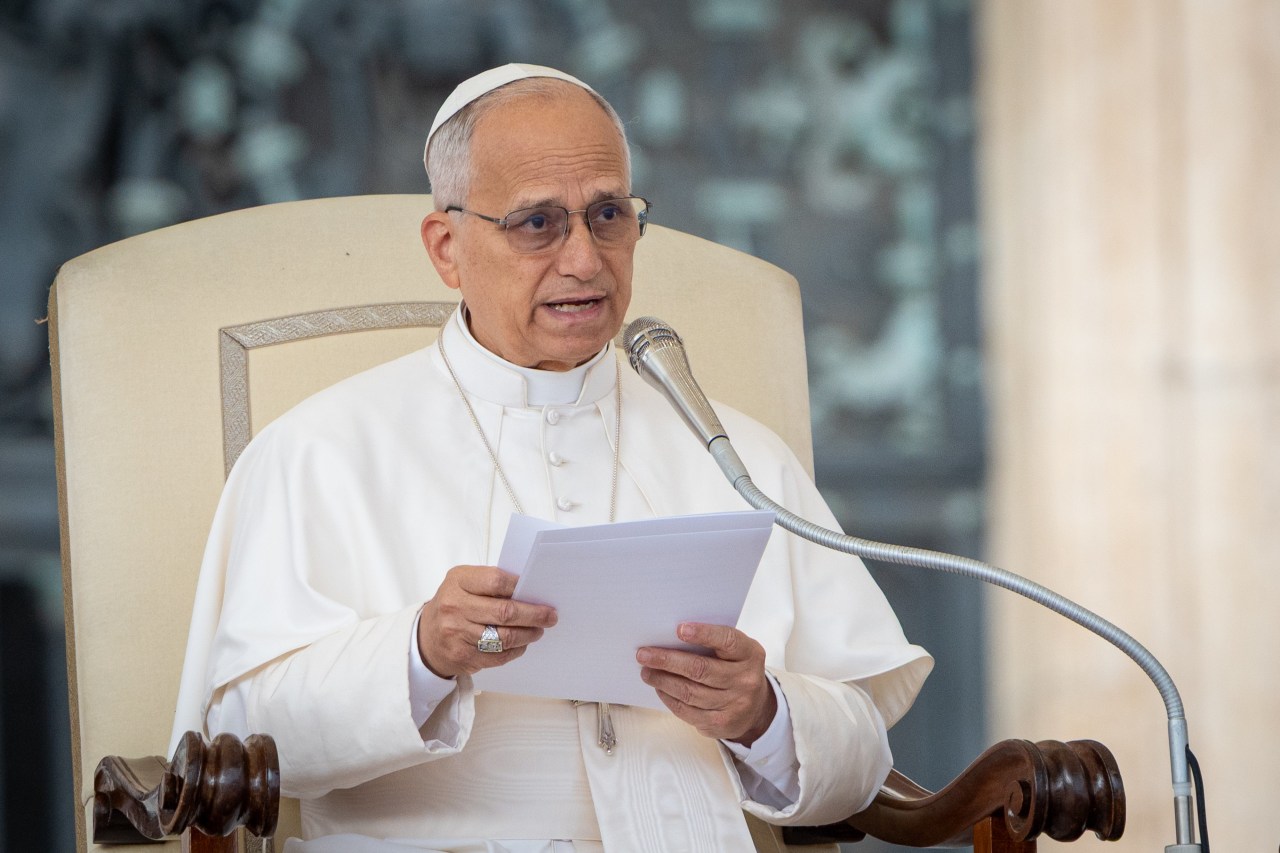
Pope Leo XIV has recently addressed growing concerns regarding the perception of artificial intelligence (AI), specifically chatbots, as sentient beings deserving of rights. In a statement made during a press conference at the Vatican on October 10, 2023, the Pope emphasized that while AI can assist humanity, it remains a tool and does not possess consciousness or moral rights.
The dialogue surrounding AI and its potential implications has intensified over the past few years. Some advocates argue that advanced chatbots exhibit characteristics that mimic human conversation, leading to debates about their status. Pope Leo XIV firmly rejected these claims, stating, “Chatbots are creations of human ingenuity, and they should not be misconstrued as entities with inherent rights.”
Papal Clarification on AI’s Role
The Pope’s remarks come amid increasing discussions within various sectors, including technology and ethics, about the role of AI in society. In his address, he noted that attributing rights to non-sentient beings could divert attention from pressing human issues. “We must focus on ensuring that technology serves humanity rather than allowing it to overshadow our moral responsibilities,” he added.
The Vatican has been actively involved in discussions about technology’s impact on society, emphasizing the importance of ethical considerations in AI development. The Pope’s position reflects a broader consensus among religious and ethical leaders who urge caution in how society interacts with technology.
With a global audience, the Vatican’s stance on AI carries significant weight. Experts in technology ethics have echoed the Pope’s sentiments, highlighting that while AI can enhance productivity and creativity, it is essential to maintain a clear distinction between human and machine capabilities.
Implications for the Future of AI
This declaration by Pope Leo XIV is pertinent as the world grapples with the rapid advancement of AI technologies. Reports suggest that by 2025, the global AI market could reach a valuation of approximately $190 billion, underscoring the urgency for ethical guidelines in the industry.
The Pope’s address serves as a reminder that as society integrates AI into daily life, the focus should remain on human dignity and the ethical treatment of all individuals. “We must ensure that our technological advancements do not compromise our humanity,” he stated.
As discussions continue, the Vatican plans to host a series of forums aimed at fostering dialogue between technologists, ethicists, and religious leaders. These forums will seek to create a collaborative approach to addressing the ethical implications of AI, ensuring that technology aligns with fundamental human values.
Pope Leo XIV’s statements resonate beyond religious circles, reflecting a growing recognition of the challenges posed by AI. As the conversation evolves, it will be crucial to balance innovation with ethical responsibility, ensuring that AI remains a tool for good rather than a source of confusion or harm.