Tourism is facing a significant backlash in several countries as local populations express their discontent over the impact of mass travel. Protests and restrictions have emerged in popular destinations, highlighting a growing sentiment that tourists are no longer warmly welcomed.
Spain’s Anti-Tourism Protests
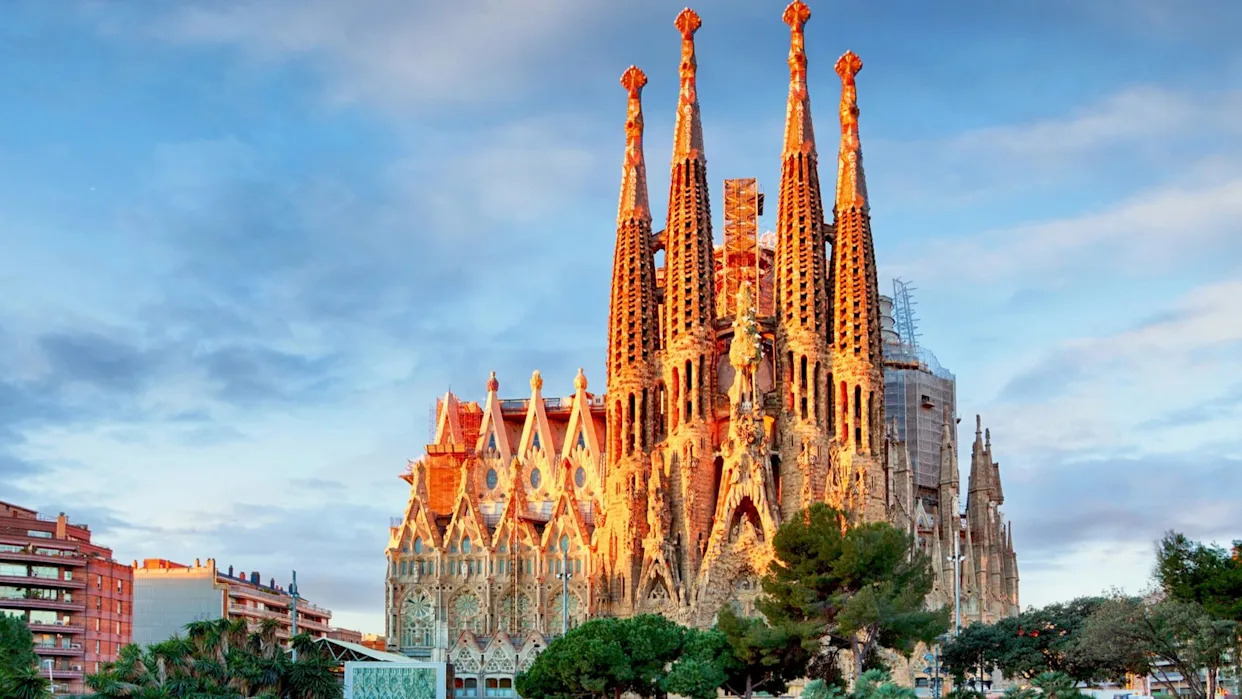
In July 2024, Barcelona witnessed large-scale protests against the overwhelming presence of tourists. Thousands marched down the iconic La Rambla, brandishing signs that read “Tourism kills the city” and “Tourists go home, you are not welcome.” Some demonstrators even resorted to using water pistols to disrupt tourists dining at local restaurants. This backlash comes as Spain welcomed approximately 42.5 million tourists in the first half of 2024, a rise of 11.5% from 2019 and 13.3% from the previous year. The influx has strained infrastructure and increased housing costs for residents. Protests have spread beyond Barcelona, with cities like Cadiz and Lanzarote also voicing their frustrations over tourism’s impact on daily life.
Amsterdam’s Campaign Against Party Tourists
Amsterdam is taking a unique approach to curb unwanted tourism. The city government has launched a “Stay Away” campaign aimed specifically at British holidaymakers seeking stag parties or weekend getaways. The campaign features videos showcasing the consequences of unruly behavior, including arrests and fines. Despite limited success in deterring tourists, authorities intensified their efforts in March 2024 by launching an online survey titled Amsterdam Rules to better manage visitor conduct.
Japan is grappling with its own overtourism challenges, as the nation recorded around 36.87 million international visitors in 2024, marking a staggering 47.1% increase from the previous year. Data from the Japan National Tourism Organization (JNTO) shows that visitors from South Korea, China, Taiwan, and Hong Kong accounted for nearly 60% of tourists in October 2024. Newly elected Kyoto Mayor Koji Muramasa has taken a stand against overtourism, enacting regulations that restrict tourist access to private areas, including the historic Gion district.
Venice’s Tourist Fees and Restrictions
In April 2024, Venice introduced a new €5 fee for day-trippers in a bid to manage the city’s tourist numbers. Protests erupted as groups marched through Venice’s narrow streets, holding banners that read “Welcome to Veniceland” and “No to the ticket.” The city has long been a focal point for overtourism concerns, and the ban on large cruise ships docking in the city center has not quelled local frustrations over the impact of mass tourism on daily life.
Turkey is facing its own set of challenges, as political unrest has raised concerns about travel safety. Protests have become commonplace in Istanbul, where authorities have imposed restrictions to maintain order. A 2024 survey conducted by the UN Refugee Agency found that 77% of respondents in Turkey supported closing the border to refugees, reflecting broader national tensions that may affect tourism.
Meanwhile, Croatia’s coastal city of Split has begun imposing fines for antisocial tourist behavior, with penalties of up to €300 for public urination, climbing on monuments, and other disruptive actions. These measures point to a growing frustration among locals regarding disrespectful behavior that undermines their cultural heritage.
Political Tensions in Iran and North Korea
In Iran, a rich cultural heritage contrasts sharply with a political climate that can deter international visitors. Strained relations with Western nations and government policies contribute to a perception of unwelcomeness, despite the warmth of the Iranian people at an individual level.
North Korea presents a unique challenge for tourists, as strict control and surveillance govern visitor experiences. The country’s regulations limit where tourists can go, and current travel bans for U.S. citizens due to previous incidents further complicate the situation.
Lastly, Russia, with its historically rich landscapes and cities, faces significant bureaucratic hurdles that may discourage tourism. Stringent visa requirements and geopolitical tensions have created a daunting environment for international visitors, making travel increasingly complicated.
As the global tourism landscape evolves, the balance between economic benefits and the quality of life for local residents becomes increasingly precarious. The experiences in these nine countries reflect a broader narrative of changing attitudes toward tourism, indicating that the automatic warm welcomes of the past may be giving way to a more cautious approach as communities seek to protect their cultural identities and daily lives.